How can the pharmaceutical industry ‘Accelerate Action’ on gender parity this International Women’s Day? Find out what three expert contributors think in this roundtable interview
Interview by Jade Williams
Contributors:
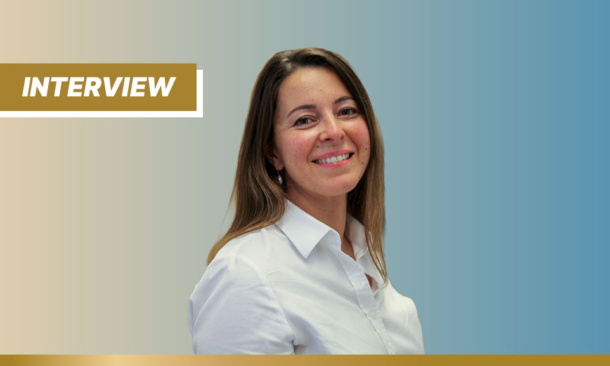
- Kasha Witkos, SVP, Head of International Business and TTR Lead, Alnylam Pharmaceuticals
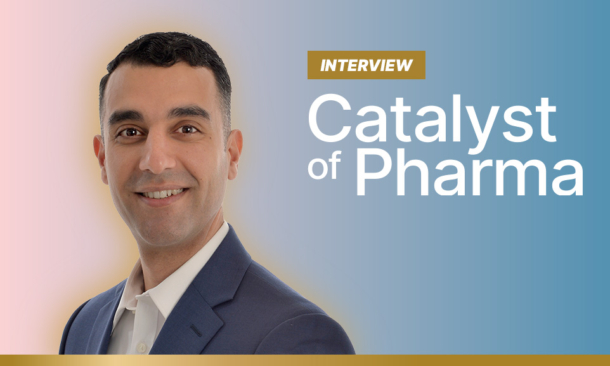
- Rebecca Guntern, Chief Commercial Officer, Sandoz
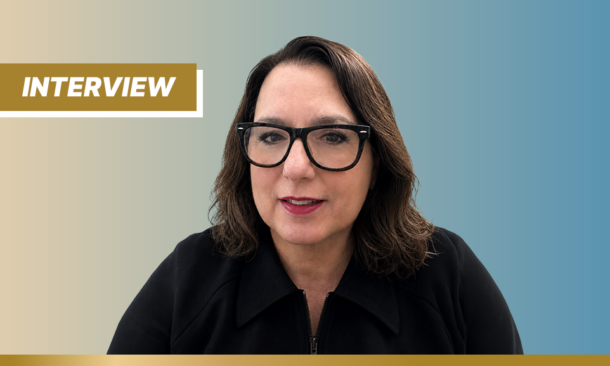
- Mar Carrasco, PhD, Oncology Marketing Director Spain, Bristol-Myers Squibb
What are the most significant factors hindering the pharmaceutical industry achieving gender parity, and how can companies address these issues?
Kasha: Systemic and societal inequalities remain key barriers. Having lived in Europe, America and Asia, I’ve seen how cultural expectations and gender stereotypes shape women’s experiences differently, yet the biases are consistent. Women’s potential is often overlooked—where a man balancing work and family is praised, a woman can be criticised for doing the same. These perceptions can limit opportunities and hinder women’s access to leadership roles.
While women should advocate for themselves, the responsibility shouldn’t fall solely on them. Companies must actively challenge these barriers through implementing unbiased recruitment and mentorship programmes, plus flexible work arrangements. Gender equality requires collective action to reshape outdated norms. By fostering environments that prioritise talent over stereotypes, companies can ensure equal access to leadership and career advancement.
Rebecca: While our industry has made strides, many organisations still struggle to fully embed gender equity into workplace structures. Traditional hiring, promotion and decision-making processes don’t always create equal opportunities for advancement, which can hold women back. Fixing these systems requires more than just acknowledgment—it demands accountability in leadership.
This means not just setting goals, but ensuring they translate into measurable, sustained change. Too often, companies focus on representation without addressing the real challenges affecting career progression. Progress happens when leadership builds diversity into hiring pipelines, links equity goals to performance incentives and fosters cultures where talent rises based on ability, not access. This shift requires intentionality, but when done right, it strengthens both businesses and the broader industry.
Mar: Unconscious bias, lack of flexible working conditions and undefined mentorship and sponsorship programs are key barriers to gender parity. Unconscious bias can influence recruitment and promotions, especially in leadership roles. On the other side, the “always on” culture affects women balancing family responsibilities while insufficient mentorship and sponsorship hinder women’s visibility in leadership.
Companies can address these barriers by raising awareness of recruitment and performance evaluation bias, supporting flexible work and establishing mentorship and sponsorship programmes for access to senior leaders. I’m proud to work for a company that is leading change. The Spain and Portugal cluster of BMS is comprised of 60% women, as is the leadership team, and the general manager is a woman.
Women’s potential is often overlooked—where a man balancing work and family is praised, a woman can be criticised for doing the same
What strategies can companies implement to ensure women have equal opportunities for career growth and leadership roles?
Kasha: Visibility of women in leadership is crucial. When women lead, they not only break barriers but also inspire others and challenge traditional expectations. Companies must hire and promote female talent based on potential, not just experience, to ensure fair and inclusive processes. Workplace flexibility plays a key role, too. Many women juggle career and caregiving responsibilities, so offering remote work and flexible policies is essential for retaining top talent.
Male mentors are equally important. Senior leaders—both men and women—must advocate for women, recognise their contributions and ensure they have access to opportunities. Every year at Alnylam, we run a cultural survey that explores this topic, which holds us accountable and enables us to better support our workforce. By prioritising representation, flexibility and advocacy, companies can create environments where women not only participate but thrive and lead.
Rebecca: Attracting women into the industry is the first step—ensuring they have the opportunity to thrive is where the real work lies. At Sandoz, we invest in initiatives like EmpowerHer, our Community of Belonging (CoB), designed to champion and develop female talent. Mentorship, coaching and leadership development provides women with the tools, networks and advocacy they need to advance in their careers.
Visibility and sponsorship are also equally critical. Women often miss out on the informal networks that drive career progression. Active sponsorship, where senior leaders advocate for high-potential female talent, helps level the playing field.
We must also recognise that career progression should not come at the expense of work-life balance. Flexible working models and inclusive leadership approaches help retain diverse talent and ensure that leadership teams reflect the real world. Achieving gender parity isn’t about lowering the bar—it’s about removing unnecessary barriers so the best talent, regardless of gender, can rise.
Mar: Companies can accelerate the advancement of women by offering tailored leadership development programs that provide technical and leadership skills. Clear, transparent pathways to promotion, mentorship complemented by active sponsorship, senior leaders advocating for women and opportunities for high-profile projects are essential. These strategies create an inclusive, supportive environment that fosters women’s growth into leadership roles in both the healthcare and pharmaceutical sectors.
Achieving gender parity isn’t about lowering the bar—it’s about removing unnecessary barriers so the best talent, regardless of gender, can rise
Have you encountered any challenges or biases that you believe impacted your professional journey? If so, what advice would you give to others facing similar obstacles?
Kasha: Being vocal and assertive is essential in leadership. However, throughout my career, I’ve noticed how these qualities, when displayed by women, are often met with resistance or judged more harshly than in men. Rather than letting these perceptions hold me back, I’ve focused on staying true to my values and leading authentically. True success comes from internal validation—standing by my decisions with pride is what matters most.
My advice to other women: Embrace your voice and trust in your abilities. Advocate for yourself, take calculated risks and never undervalue your ambition. The more we own our confidence, the more we redefine leadership.
Rebecca: Earlier in my career, I certainly encountered biases that many women also experience, even if they are not always overt. The key to overcoming these challenges is recognising them, addressing them and not allowing them to limit your ambition.
It takes courage to challenge biases—whether they are in hiring decisions, leadership perceptions or workplace culture. But every time we choose not to speak up, we allow those biases to persist. I have been fortunate to work in environments where gender equality is a clear priority, and I now see it as my responsibility to help create more inclusive spaces for the next generation of female leaders.
My advice? Build a strong network of mentors and allies. Surround yourself with people who support your growth and be proactive in seeking opportunities. Most importantly, believe in your own capability—because when you do, others will too.
Mar: A defining moment of my career was becoming a mother while pursuing a promotion and defending my PhD dissertation. It was a challenging time and like many women, I felt the pressure to “do it all”—to prove that I could seamlessly balance my career, motherhood and academic work without missing a beat. I learned to let go of the idea of perfection, understanding that it’s impossible to have everything under control all the time. Asking for help, whether from colleagues or family, became key to navigating this transition.
I embraced vulnerability, which allowed me to build a supportive network. My advice to others would be to let go of perfection, surround yourself with allies who support your journey and don’t be afraid to ask for help. It’s not a sign of weakness. Finally, prioritise your own well-being. Taking care of yourself ensures long-term success, both personally and professionally.
My advice to others would be to let go of perfection, surround yourself with allies who support your journey and don’t be afraid to ask for help
What changes do you think are necessary to encourage more young women to pursue careers in STEM?
Kasha: It starts with providing strong, visible female role models. Representation matters because it allows young women to see what’s possible and helps them envision themselves in these careers. Quotas, on the other hand, can help combat isolation in male-dominated fields by ensuring a more diverse and supportive environment.
When I was at school in Eastern Europe, amidst political unrest, equal expectations for both men and women to enter the workforce were instilled. This created an environment where gender was no longer a barrier to pursuing opportunities, showing me how powerful equal expectations can be. If we can learn anything from this time, it’s the importance of encouraging and empowering girls to explore STEM fields. Exposing them to diverse career paths and providing female role models are essential in building their confidence and sparking interest in these fields.
Rebecca: Representation matters, and young women need to see female leaders thriving in STEM to believe they can do the same. When we highlight women in leadership, research and technical roles, we help break outdated stereotypes and shift perceptions of who belongs in these fields.
We need to actively empower women to ‘take up space’ in STEM. Confidence and self-advocacy are just as important as skills and qualifications. Too often, women in technical fields undervalue their contributions or hesitate to speak up, even when their insights are critical to driving innovation. Organisations must create cultures that encourage women to own their expertise, take leadership roles and challenge the status quo.
Encouraging young women into STEM must begin in schools and universities—by normalising female leadership in science, providing strong role models and equipping young women with the confidence to see themselves as future industry leaders.
Mar: We must address societal stereotypes that label certain fields as disbalanced in terms of gender equity. Encouraging young women to pursue careers in areas like engineering and technology requires breaking these perceptions. Educating young girls on the value they bring to these fields, not just in technical skills but in diverse perspectives, is key.
Additionally, amplifying the voices of female role models who have excelled in STEM can inspire others by showing that these careers are rewarding regardless of gender. When young women see others succeeding, they feel empowered to follow in those footsteps. By investing in education, representation and mentorship, we can create a future where more women see STEM as an exciting, viable career path.
Too often, women in technical fields undervalue their contributions or hesitate to speak up, even when their insights are critical to driving innovation
What advice would you give to your younger self about navigating the pharmaceutical industry?
Kasha: Actively seek out supportive female mentors and build a strong network. Embrace lateral moves early on to broaden your skill set. These moves may seem like setbacks initially but often lead to long-term growth. I’d also stress the importance of being vocal about my ambitions. Women often have to assert themselves more than others to be noticed, and I learned this the hard way.
A turning point in my career was recognising the power of sponsorship. Women should seek support for promotions and development opportunities just as men do. Don’t be afraid to take risks, ask for help and pursue your goals. Be bold, unapologetic and always advocate for yourself. If you don’t speak up for your goals, no one else will.
Rebecca: Early in my life, I had broad interests—from arts to science—and my career path wasn’t always clear. Working in my uncle’s pharmacy during school holidays inspired me to pursue this field. Today, I view my role as “a pharmacy on a bigger scale”. I derive genuine satisfaction and social purpose from helping to shape healthcare systems and expand access to medicines globally.
My advice to my younger self: Be clear about your aspirations, choose an environment that aligns with your values and build strong networks to help you grow. Most importantly, find passion in what you do. Passion is what will drive you through challenges. It will keep you motivated and most importantly, help you make a meaningful impact in the industry.
Mar: “Don’t underestimate your gifts.” Early on, I sometimes doubted my abilities, thinking that others had more experience or knowledge. With time, I learned that each person brings a unique perspective and skillset to the table and that make us all valuable contributors. I would also say to “believe in yourself” and “not let others impose limits” on what you can achieve, staying true to your vision and goals.
Trusting your intuition and your capacity to grow is key to navigating the challenges and opportunities that come your way. Find people who believe in you, who are willing to be your sponsors and who will push you in your career. Mentors and advocates can open doors, provide guidance and champion your work in spaces you may not have direct access to. Building those relationships early on is invaluable.
Be bold, unapologetic and always advocate for yourself. If you don’t speak up for your goals, no one else will