Key Summary:
- AstraZeneca has reportedly opened merger talks with BMS.
- The deal could create the world's fourth-largest drugmaker.
- Analysts question the strategic rationale behind the move.
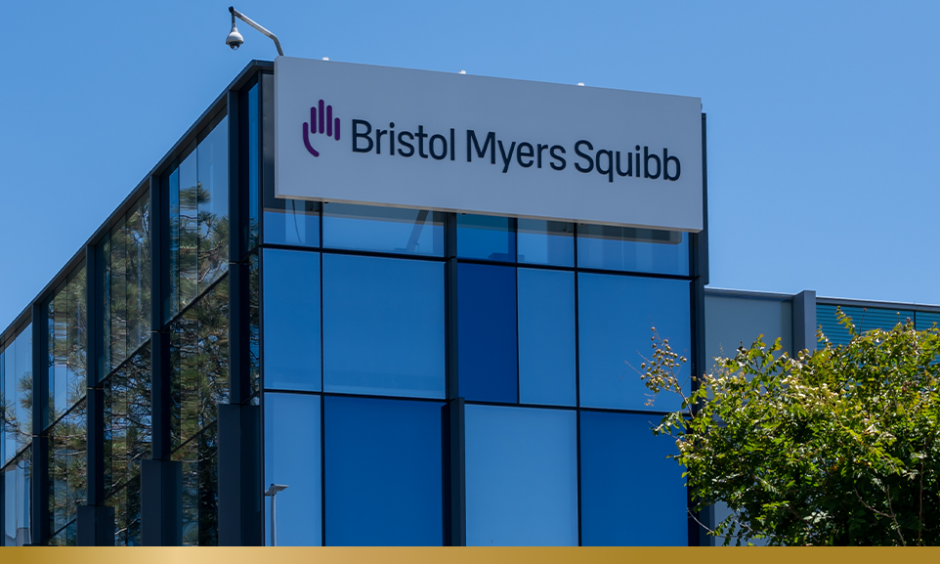
AstraZeneca has held preliminary talks with US rival Bristol Myers Squibb (BMS) about a merger that would create a combined group worth close to $400bn, the Financial Times reported today.
A deal of that size would rank among the largest in pharmaceutical history and form the world’s fourth largest drugmaker by market cap.
Neither company confirmed the report, and sources cautioned that the discussions are early-stage and may never result in a transaction.
The market responded regardless: AstraZeneca – the UK’s second most valuable listed company, worth around $264bn – fell as much as 7% in London, while BMS, valued at roughly $133bn, rose in New York.
Analysts were largely perplexed, questioning why AstraZeneca, which has just posted positive quarter-two results with an $80bn sales target for 2030, would pursue a deal of this scale.
Although, Chris Beauchamp, Chief Market Analyst, IG, said “companies saying one thing and doing another is a well-trodden path” emphasising that press releases don’t always mirror the inner workings of a major organisation.
It is possible that the potential merger centres on deeper US reach – in line with the company’s recent NYSE listing – and a combined oncology and haematology portfolio.
But any deal would also involve absorbing looming patent cliffs from BMS, and invite simultaneous antitrust scrutiny in the US, the UK and Europe, where the two companies’ overlapping cancer immunotherapies would draw close attention.
The reported approach marks a striking reversal for Pascal Soriot, CEO, AstraZeneca, who in 2014 rebuffed a $118bn hostile takeover from Pfizer on the grounds that the company would deliver more value alone.
Now, 12 years on, Soriot may be steering the company toward one of the largest mergers in corporate history, renewing a familiar concern among UK observers: that AstraZeneca is tilting steadily toward the US, at the expense of its London roots.
Whether the talks progress or quietly collapse, they have certainly reopened questions about the company’s long-term direction.
Featured image: Shutter2U on Adobe Stock
Each article is made available under the terms of the Creative Commons Attribution-Non Commercial 4.0 License.