Australia has committed more than $113m to strengthen surveillance, preparedness and response capability following reports of avian influenza (bird flu) in two states.
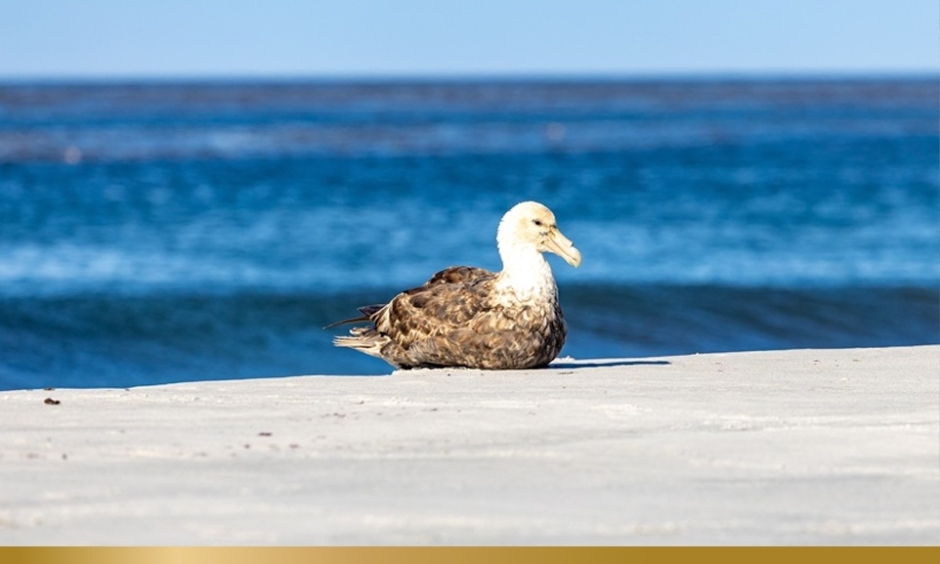
The H5N1 strain has now been detected in Southern Australia, following two confirmed cases in seabirds found near Esperance in Western Australia.
Bird flu detection
Testing identified the sample from the first bird detected in Western Australia as being the globally circulating H5 influenza A strain, the Australian Centre for Disease Control (ACDC) has reported.
South Australia recorded its first confirmed case of H5N1 on 24 June 2026, in a vagrant migratory seabird found on a beach on the Fleurieu Peninsula.
This marks the first time this strain has been detected in South Australia.
The incident is currently being treated as an isolated event, with no detections in poultry at this time.
Dr Beth Cookson, Australian Chief Veterinary Officer, said: “This detection is being taken seriously, and Australia has been preparing for this scenario for several years.
“Australia is well prepared to respond to H5 bird flu and will react quickly, to protect poultry production, and reduce impacts on wildlife and communities.”
Preparedness and response
The Australian Government has taken a three-pronged approach to investment.
It has committed $43.9m to enhance national response coordination, strengthen surveillance and boost biosecurity capacity and capability.
To accelerate protective action for threatened species and priority biodiversity, $47.1m has been invested.
And $22.1m has been committed to increase the number of ready-to-use pandemic flu vaccines and antivirals in the National Medical Stockpile.
A series of simulation exercises have also been undertaken in Australia since 2024 to prepare for these circumstances, the government has reported, with a dedicated taskforce to strengthen preparedness for a possible incursion.
Julie Collins, Minister of Agriculture, Fisheries and Forestry, said: “The Australian Government is well prepared for a potential outbreak of H5 bird flu, with well-established national response arrangements in place to respond to emergency animal diseases, including H5 bird flu.
“We take the risks of H5 bird flu seriously which is why our government has invested more than $113m to strengthen our nation’s preparedness.”
The current risk of bird flu to people in Australia is low, according to the ACDC.
Featured image: Grantat on Adobe Stock
- Author: