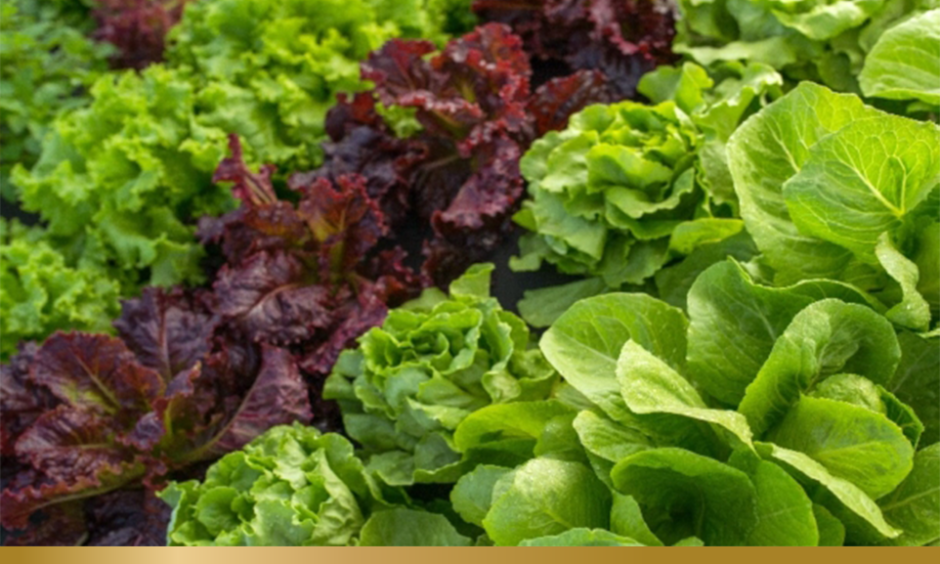
The cyclosporiasis outbreak in the US is increasing concerns about food safety as health authorities investigate potential sources of infection. Cyclosporiasis is an intestinal disease caused by the Cyclospora parasite and can occur after consuming food or water contaminated with human faeces.
The US Food and Drug Administration (FDA) has linked cases to iceberg lettuce served at Taco Bell restaurants and sourced from Taylor Farms operations in central Mexico, but investigations are continuing as authorities assess whether other foods may be involved.
Foodborne disease cases climb
Michigan health officials reported 9,680 cases of cyclosporiasis on 28 July, including 160 hospitalisations and no deaths. Across the US, health authorities reported thousands of laboratory-confirmed cases alongside additional suspected infections.
The Centers for Disease Control and Prevention is monitoring the outbreak, while investigators continue to examine possible exposure sources. In North Carolina, parsley and coriander were commonly identified ingredients among people who became ill, although multiple sources may be involved.
Dr Tyler Evans, CEO, Wellness Equity Alliance, said: “The nutritional benefit of leafy greens is significant, so we don’t want to tell people to avoid it at all costs.
Produce sales and public health impact
Consumer concerns have affected restaurant visits and fresh lettuce sales. Foot traffic at Taco Bell fell 20.8% on 23 July compared with the average Thursday level between January 1 and July 6, according to analytics data. Other chains also recorded declines.
Fresh lettuce unit sales in the US fell 9% in the week ending 18 July compared with the previous week and 19% compared with two weeks earlier, according to NielsenIQ data.
Paul Sellew, CEO and founder, Little Leaf Farms, said: “The consumer has been motivated by fear.”
Health officials continue to investigate the outbreak while retailers and restaurants assess sourcing practices. The ongoing investigation aims to clarify the causes of infections and support future food safety responses.