THE EUROPEAN Hematology Association (EHA) 2026 Congress was a strong testament to the rapidly evolving field of haematology. From the implementation of AI in drug development to the approval of more treatment options for patients, it is clear that the future of haematology is bright and filled with curiosity, innovation, and united commitment from healthcare professionals, regulators, industry, and societies like EHA to provide the best care possible for patients.
More than 14,000 delegates descended on the heart of Sweden for the 2026 EHA Congress. The opening ceremony marked the beginning of an unmissable event, with a full auditorium and an unmistakable sense of anticipation in the air. After an engaging welcome from the EHA President, Konstanze Döhner, Meritxell Alberich Jordà, the Scientific Program Committee Chair, provided an insight into the coming days. This year’s event saw over 575 presentations and a record-breaking number of over 4,700 abstract submissions. Jordà made special note of the plenary sessions, showcasing the highest-scoring abstracts, and the late-breaking abstracts, capturing timely and practice-shaping data.
Dominique Bonnet, chair of the EHA Fellowships and Grants Committee and valued member of EMJ’s own haematology editorial board, subsequently announced the grant winners for this year. This comprised 13 research grants, 6 kick-off grants, 2 bilateral collaborative grants, 2 innovation grants, and 13 research mobility grants. These awards underscored EHA’s continued commitment to supporting innovative research and fostering the next generation of leaders in haematology.
The EHA lifetime achievement is a notable, prestigious award, recognising an individual’s sustained impact on the field. This year’s award was given to Claire Harrison, Professor of Myeloproliferative Neoplasms and Clinical Director, Guy’s and St Thomas’ NHS Foundation Trust, London, UK. She reflected on her first EHA Congress in 1999, recalling how she arrived with pressing questions about patients in her care. It was at that meeting that she met future mentors, forged lasting professional relationships, and laid the foundations for collaborations that would shape her career. Returning to Guy’s and St Thomas’, she brought back fresh perspectives and valuable insights that helped inform the management of complex patient cases.
Harrison reflected on several notable trials that she has contributed to, such as the MAJIC-PV study, a randomised Phase II clinical trial that compared ruxolitinib with the best available therapy for patients with polycythaemia vera and resistant/intolerant to hydroxycarbamide. Notably, the trial was the first to show that achieving a molecular response was linked to improved event-free survival, overall survival, and progression-free survival.1 Finally, Harrison spotlighted the ‘MPN Voice Team’, a patient group she co-founded in 2006. Comprised of 19 team members, this group aimed to provide information, community, and advocacy for patients with myeloproliferative neoplasm (MPN). Since its establishment, it has grown significantly, reaching over six continents and attracting over 27,000 new users online.
To close, Harrison addressed the early-career haematologists in the audience, encouraging them to be courageous, build supportive communities, and keep patients at the centre of everything they do. Reflecting on the mentors, colleagues, and friendships that shaped her own career, she urged delegates to be patient with their professional progression, celebrate the relationships they forge along the way, and remember that meaningful, lasting change is always a collective effort. EMJ had the pleasure to sit down with Harrison to delve deeper into what this award recognition meant to her and her career journey to date.
Closing the ceremony, the EHA Diversity, Equity, and Inclusion Award was given to Gianluca Gaidano, University of Eastern Piedmont, Novara, Italy; the EHA Education & Mentoring Award went to Raúl Córdoba, MD Anderson Cancer Center Madrid, Spain; and the Young EHA Award went to Nico Gagelmann, University Medical Center Hamburg-Eppendorf, Germany.
So, where does the future of haematology lie? If the opening ceremony was any indication, it rests in the hands of a vibrant and collaborative community of dedicated experts, united by a shared commitment to improving patient care and an unwavering curiosity to deepen our molecular understanding of haematological diseases.
Blinatumomab Replacing Intensive Chemotherapy Improves Outcomes in Paediatric High-Risk B-ALL
BLINATUMOMAB reduces toxicity and improves 4-year event-free survival (EFS) in prognostically unfavourable paediatric high-risk (HR) B cell acute lymphoblastic leukaemia (ALL). This Phase III trial, presented at EHA2026, demonstrates that replacing highly toxic chemotherapy elements with blinatumomab provides a safer treatment approach with superior anti-leukaemia efficacy.2
Blinatumomab is a bispecific T cell engager that targets CD19 expressed on leukaemic cells and has the potential to reduce chemotherapy while improving anti-leukaemia efficacy in newly diagnosed paediatric patients with high-risk acute lymphoblastic leukaemia (HR-ALL).
The trial’s primary objective was to determine whether two highly intensive chemotherapy treatments (HR-2’, HR-3’) could be replaced with two 28-day cycles of blinatumomab to improve EFS by 10% in paediatric patients with HR-ALL.
The trial also had two secondary objectives. The first evaluated whether the experimental blinatumomab arm (EA) could reduce mortality and treatment-related complications when compared to the chemotherapy control arm (CA). The second evaluated minimal residual disease (MRD) in both treatment arms to determine the proportion of patients with suboptimal response.
Patients were randomised to receive either the EA (n=358) or the CA (n=351) following one intensive chemotherapy course (HR-1’).
A planned interim analysis revealed that replacing intensive chemotherapy with blinatumomab increased 4-year EFS from 70.3% in the CA to 83.0% in the EA (hazard ratio: 0.51; 95% CI: 0.35–0.73; p=0.0002).
The cumulative incidence of relapse was lower in the EA compared with the CA (11.8% versus 21.4%; n=31 versus n=57 relapses). Moreover, the rate of isolated CNS relapse was also lower in the EA (0.3%; n=1) compared with the CA (2.5%; n=9).
The trial also demonstrated a more favourable toxicity profile in the EA. Clinically relevant infectious adverse reactions occurred in 22.8% of patients receiving blinatumomab compared with 69.4% in the CA (p<0.001). In the CA, 16 patients (4.7%) experienced 17 life-threatening adverse reactions compared with one patient (0.3%) in the EA, which was also fatal.
Severe mucositis or stomatitis requiring hospitalisation occurred in 10% of patients receiving chemotherapy compared with 0.3% in the EA.
Blinatumomab reduced MRD levels in 76.9% of patients who were MRD-positive prior to randomisation, compared with 45.8% of those treated with chemotherapy (p<0.0001).
This Phase III trial demonstrates, for the first time, that highly toxic chemotherapy elements can be successfully replaced with blinatumomab in newly diagnosed ALL. It supports blinatumomab as a safer treatment option in prognostically unfavourable paediatric B cell ALL, with improved anti-leukaemia efficacy.
FrontMIND Phase III Study Meets Primary Endpoint in High-Risk DLBCL
FOR DIFFUSE large B cell lymphoma (DLBCL), R-CHOP remains the standard first-line therapy, despite approximately 40% of patients being unresponsive. A new clinical trial presented at EHA2026 observed a significant reduction in the risk of disease progression or death with tafasitamab and lenalidomide combined with R-CHOP (Tafa-Len-R-CHOP), compared with R-CHOP alone.3
Previously, Phase Ib First-MIND findings showed encouraging results with the combination therapy, including Tafa, a CD19-targeted monoclonal antibody. In this new global Phase III, double-blind, placebo-controlled FRONTMIND study, patients aged 18–80 years with previously untreated DLBCL or high-grade B cell lymphoma (International Prognostic Index: 3–5; age-adjusted International Prognostic Index: 2–3 if ≤60 years) were randomised to receive Tafa-Len-R-CHOP or R-CHOP.
The primary endpoint was investigator-assessed progression-free survival (PFS). Secondary endpoints included event-free survival, overall survival, PET-negative complete response, objective response rate, and quality of life at the end of treatment.
Tafa-Len-R-CHOP achieved a statistically significant improvement in PFS compared with R-CHOP alone. After a median follow-up of 35.2 months, the regimen reduced the risk of disease progression or death by 25% (hazard ratio: 0.75; p=0.019), with 24-month PFS rates of 71.1% versus 62.9%.
Among patients with centrally confirmed lymphoma subtypes, the benefit was greater, with a 32% reduction in risk (hazard ratio: 0.68) and 24-month PFS rates of 72.7% versus 62.2%. PFS improvement was observed across molecular subtypes, including activated B cell-like and germinal centre B cell-like disease, as well as across key clinical subgroups.
Secondary endpoints supported the primary findings, with Tafa-Len-R-CHOP demonstrating improved event-free survival compared with R-CHOP. Response rates and PET-negative complete response rates were similar between treatment groups, while quality of life improved over time in both arms, and overall survival data remain immature. Safety findings were consistent with the known profiles of tafasitamab, lenalidomide, and R-CHOP.
The results position Tafa-Len-R-CHOP as a potential new first-line option, addressing the need for more effective treatment in high-risk, aggressive B cell lymphomas. The regimen shows clinical relevance across molecular subtypes, giving it broad applicability. Longer-term follow-up, including final overall survival analyses, will be important to fully define the durability of benefit and long-term clinical impact in this high-risk patient population.
Phase III Trial Tests Oral Mitapivat for Sickle Cell Disease
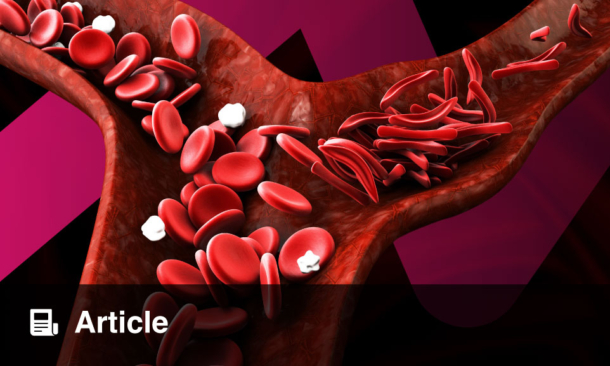
DATA from a Phase III trial presented at EHA2026 have demonstrated that oral mitapivat raises haemoglobin in patients with sickle cell disease, but does not significantly cut the rate of painful crises.4
Persistent anaemia and the ongoing destruction of red blood cells fuel acute and chronic complications in sickle cell disease and shorten lives. Mitapivat activates pyruvate kinase, raising cellular energy in the form of ATP and lowering 2,3-diphosphoglycerate, changes that could ease haemolytic anaemia and reduce the sickling of red cells that underlie the disease.
The global, double-blind, randomised, placebo-controlled Phase III RISE UP trial allocated 207 patients 2:1 to oral mitapivat 100 mg or placebo twice daily. The median age was 25 years and 57.5% were female, with similar baseline haemoglobin in the two arms (around 8.6 g/dL). The co-primary endpoints were a haemoglobin response, defined as an average rise of at least 1.0 g/dL from Week 24 through Week 52, and the annualised rate of sickle cell pain crises.
A haemoglobin response was achieved by 40.6% of patients on mitapivat versus just 2.9% on placebo (p<0.0001). However, the annualised pain crisis rate did not differ significantly (2.62 versus 3.05; p=0.1213). Mitapivat significantly improved haemoglobin concentration (least-squares mean difference: 0.74 g/dL; 95% CI: 0.49–1.00; p<0.0001) and indirect bilirubin (−16.91 µmol/L; 95% CI: −21.01–−12.81; p<0.0001). Among responders, haemoglobin rose by a mean of 1.64 g/dL, and they had lower crisis rates, fewer related hospitalisations, and a clinically meaningful improvement in fatigue. Serious adverse events occurred in 20.3% on mitapivat and 29.0% on placebo, with no new safety signals.
The authors concluded that mitapivat produced a significant haemoglobin response and improved haemolysis markers, with responders gaining further benefits across pain crises, hospitalisations, and fatigue. They positioned the oral drug as a convenient, potentially disease-modifying option for sickle cell disease, while noting the trial missed its co-primary pain crisis endpoint. The post-hoc responder benefits, though encouraging, would need prospective confirmation before reshaping practice.
Talquetamab-Based Regimens Improve Survival Outcomes in Relapsed/Refractory Multiple Myeloma
TALQUETAMAB-BASED combinations significantly improved progression-free survival and response rates compared with standard treatment in patients with relapsed or refractory multiple myeloma (RRMM), according to results from the Phase III MonumenTAL-3 trial presented at EHA2026.5
The study enrolled 864 patients with RRMM who had received at least one prior line of therapy, including lenalidomide and a proteasome inhibitor. Participants were randomised to receive talquetamab plus daratumumab and pomalidomide (Tal-DP), talquetamab plus daratumumab (Tal-D), or daratumumab, pomalidomide, and dexamethasone (DPd).
After a median follow-up of 24.6 months, both talquetamab-containing regimens significantly reduced the risk of disease progression or death compared with DPd. Two-year progression-free survival rates were 81.3% for Tal-DP and 77.6% for Tal-D, compared with 51.2% for the standard treatment arm.
Response rates were also higher with the talquetamab combinations. More than 88% of patients achieved a response in the Tal-DP and Tal-D groups, versus 77.6% with DPd. Deep responses were notably more common, with complete response rates of approximately 70% in both talquetamab arms compared with 34.5% in the control group. Minimal residual disease negativity was also substantially improved.
Importantly, both Tal-DP and Tal-D demonstrated significant overall survival benefits. At the time of analysis, approximately 70% of patients receiving talquetamab-based therapy remained on treatment, compared with 47.3% of those receiving DPd.
The safety profile was consistent with previous talquetamab studies. Cytokine release syndrome and neurotoxicity events were mostly low grade and manageable, while treatment discontinuation rates remained low across all treatment arms.
The investigators concluded that talquetamab combined with daratumumab, with or without pomalidomide, delivers clinically meaningful improvements in disease control and survival, supporting its use as a potential new standard of care for patients with RRMM as early as second-line treatment.
CD5 Inhibition May Boost T Cell Engager Efficacy Across Tumours
A STUDY, presented at EHA2026, identified CD5 as a key intrinsic regulator limiting the activity of CD3-engaging T cell engagers (TCE), including the CD19×CD3 bispecific antibody blinatumomab. While TCEs have transformed outcomes in B cell acute lymphoblastic leukaemia (B-ALL), variable responses and relapse remain significant challenges, with mechanisms of T cell resistance incompletely understood.6
Using genome-wide and targeted CRISPR screens in primary human CD8+ T cells exposed to blinatumomab and B-ALL cells, investigators identified CD5 as a negative regulator of T cell activation. Genetic deletion or antibody-mediated blockade of CD5 enhanced TCE-driven cytotoxicity against both B-ALL cell lines and primary patient samples, improving leukaemia control and survival in xenograft models.
Mechanistically, CD5 inhibition amplified T cell activation, increasing expression of activation markers (CD25, CD69), cytokine production (interferon γ, TNFα), proliferation, and effector transcriptional programmes. Multi-omic analyses demonstrated activation of pathways associated with antitumour function, including IL-2/signal transducer and activator of transcription 5 (STAT5), TNFα/NF-κB, and mTORC1 signalling, with increased extracellular signal-regulated kinase and S6 phosphorylation. Single-cell RNA sequencing further showed that CD5-low CD8+ T cells preferentially expanded and acquired effector characteristics following TCE stimulation.
Further mechanistic studies suggested that CD5 functions as an inhibitory TCR-associated signalling complex, interacting with proximal signalling proteins including LCK, ZAP70, CBLB, and UBASH3A. Antibody engagement triggered CD5 internalisation and RAB7A-dependent lysosomal degradation, supporting a model in which CD5 restrains T cell activation through modulation of TCR signalling.
Importantly, the effect was not limited to blinatumomab. CD5 inhibition enhanced the activity of multiple CD3-engaging bispecific antibodies targeting CD20, BCMA, GPRC5D, DLL3, and GD2 across haematological and solid tumour models, suggesting broad applicability.
These findings position CD5 as a potential universal immune-modulatory target to optimise TCE therapies by releasing an intrinsic T cell checkpoint and enhancing durable antitumour responses.
In Vivo CAR-T Demonstrates EncouragingLymphoma Responses
FIRST clinical results from an in vivo CAR-T therapy study, presented at EHA2026, suggest that generating CAR-T cells directly within patients may offer a new treatment approach for relapsed or refractory B cell non-Hodgkin lymphoma.7
B cell non-Hodgkin lymphoma is a group of blood cancers that develops from B lymphocytes. Although ex vivo CAR-T therapies have improved outcomes for patients whose disease has returned or stopped responding to treatment, their use can be limited by complex manufacturing requirements and the need for lymphodepletion before infusion. LB2501 is designed to overcome these limitations by generating CAR-T cells directly in the body.
The study assessed the safety, pharmacokinetics, and preliminary efficacy of LB2501 in an ongoing Phase I trial involving patients with measurable relapsed or refractory B cell non-Hodgkin lymphoma who had primary refractory disease or progression after at least two previous lines of therapy. Twelve patients received a single intravenous infusion of LB2501 without lymphodepletion across two dose levels.
No dose-limiting toxicities, serious adverse events, or treatment-related deaths were reported. Infusion-related reactions occurred in 75.0% of patients, but all were Grade 1 or 2 and resolved within a median of 2 days without requiring tocilizumab or glucocorticoids. Cytokine release syndrome was reported in 66.7% of patients and was limited to Grade 1 or 2 events. No cases of immune effector cell-associated neurotoxicity syndrome were observed. Grade ≥3 lentiviral vector- and CAR-T-related adverse events were limited to decreases in lymphocyte and neutrophil counts.
The treatment also demonstrated encouraging early activity. The objective response rate across all patients was 50% (6/12), including a complete response rate of 41.7% (5/12). At the higher dose level, the overall response rate reached 100% (6/6), while the complete response rate was 83.3% (5/6). All responses remained ongoing at the data cut-off date.
Pharmacokinetic analyses confirmed dose-dependent in vivo CAR-T cell expansion, with CAR-T cells detectable in peripheral blood for up to 116 days. Researchers also reported evidence that in vivo transduction was highly T cell specific, polyclonal, and diverse, supporting the feasibility of generating CAR-T cells directly within patients.
The findings are based on a small number of patients, and follow-up remains limited, with a median follow-up of 2.2 months at the higher dose level. Longer-term data will be needed to assess the durability of responses and safety profile. However, these early findings suggest that in vivo CAR-T therapy could become a more accessible immunotherapy approach for patients with B cell malignancies, although further study is needed to confirm its long-term clinical potential.
Mezigdomide Improves Outcomes in Relapsed/Refractory Multiple Myeloma
RELAPSED/REFRACTORY multiple myeloma (RRMM) remains challenging to treat, particularly in patients previously exposed to both anti-CD38 monoclonal antibodies and lenalidomide, as treatment options become increasingly limited. Researchers at EHA2026 presented new data on mezigdomide, a novel oral cereblon E3 ligase modulator (CELMoD) that promotes rapid degradation of Ikaros and Aiolos proteins, resulting in enhanced myeloma cell death and immune activation.8
The Phase III SUCCESSOR-2 trial evaluated whether the addition of mezigdomide to carfilzomib and dexamethasone (MeziKd) could improve outcomes compared with carfilzomib and dexamethasone alone (Kd). The key finding was a doubling of median progression-free survival from 8.3 to 18.0 months with MeziKd.
SUCCESSOR-2 was a randomised, two-stage, inferentially seamless Phase III study enrolling adults with RRMM who had received at least one prior line of therapy, including both an anti-CD38 monoclonal antibody and lenalidomide. During Stage 1, patients were randomised to receive one of three mezigdomide dose levels combined with Kd or Kd alone, with the optimal mezigdomide dose selected for Stage 2. Mezigdomide 1.0 mg was chosen for further evaluation. The primary endpoint was progression-free survival, while secondary endpoints included overall survival, overall response rate, and safety.
A total of 479 patients were included in the analysis, comprising 288 patients receiving MeziKd and 191 receiving Kd. The median age was 68 years, with 25.1% aged 75 years or older. Most patients (92.1%) were triple-class exposed, 85.8% were refractory to anti-CD38 therapy, and 75.8% were refractory to lenalidomide. After a median follow-up of 10.6 months, MeziKd significantly improved progression-free survival compared with Kd (18.0 versus 8.3 months; hazard ratio: 0.48; 95% CI: 0.36–0.63; p<0.0001). Overall response rates were higher with MeziKd (80.2% versus 53.4%), as were complete response rates (26.7% versus 8.9%). Grade 3–4 adverse events occurred more frequently with MeziKd (83.7% versus 56.5%), including neutropenia (61.1% versus 9.1%) and infections (34.0% versus 15.6%).
These findings demonstrate a clinically meaningful benefit of MeziKd in a heavily pretreated population with substantial unmet need. The marked improvement in progression-free survival and response rates suggests that MeziKd could become an important treatment option, potentially establishing a new standard of care for patients experiencing first or subsequent relapse. From a clinical practice perspective, the oral administration of mezigdomide and its efficacy across multiple patient subgroups are particularly encouraging. However, a higher incidence of severe adverse events, especially neutropenia and infections, highlights the need for careful monitoring and supportive care. Limitations of this study include the relatively short median follow-up and the immature overall survival data, which warrant further evaluation with longer-term follow-up.
BCMA CAR-T Therapy Shows Durable Drug-Free Remission in Refractory ITP
A FIRST-IN-HUMAN Phase I study presented at EHA2026 suggests that B cell maturation antigen (BCMA)-targeted CAR-T cell therapy may induce durable drug-free remission in patients with refractory primary immune thrombocytopenia (ITP) by resetting the immune system and eliminating disease-driving autoantibody-producing cells.9
Primary ITP is an autoimmune disorder characterised by immune-mediated platelet destruction, resulting in an increased risk of bleeding. While current therapies can temporarily increase platelet counts, many patients relapse or become refractory to treatment. Individuals with platelet-specific autoantibodies, particularly anti-GPIb/IX antibodies, are known to have more severe disease and poorer responses to conventional therapies.
Researchers investigated whether targeting BCMA, which is expressed on plasma cells responsible for producing pathogenic antibodies, could provide a more durable therapeutic approach.
The Phase I, single-centre, open-label trial enrolled adults with refractory primary ITP who had disease for at least 6 months, platelet-specific autoantibody positivity, platelet counts below 30×10⁹ /L, and failure of multiple first- and second-line treatments. Six patients received BCMA CAR-T cells across three dose levels, although two were excluded from efficacy analyses after one was subsequently diagnosed with myelodysplastic syndrome and another withdrew from the study. The remaining four evaluable patients had longstanding disease (2–12 years) and had previously failed corticosteroids, intravenous Ig, thrombopoietin receptor agonists, and rituximab.
Three of the four patients achieved complete remission within 14 days of treatment and remained in drug-free remission for between 6–14 months. The fourth patient achieved complete remission by Day 28 but relapsed after 9 months. CAR-T cells reached peak expansion 14 days after infusion and remained detectable for approximately 3 months. Platelet-specific autoantibodies remained persistently suppressed in patients with sustained responses, while soluble BCMA levels fell rapidly following treatment.
Beyond clinical responses, extensive immune profiling suggested that BCMA CAR-T therapy induced comprehensive immune remodelling rather than transient immune depletion. Reconstituted B cells predominantly displayed immature, naïve, and non-switched memory phenotypes, while class-switched memory B cells and plasmablast-like populations remained reduced. Single-cell sequencing demonstrated reduced inflammatory, complement, platelet-associated, and antigen-presentation pathways, alongside expansion of cytotoxic CD8-positive T cell programmes, supporting the concept of long-term immune resetting.
Treatment was well tolerated, with only Grade 1–2 cytokine release syndrome reported. No patients experienced immune effector cell-associated neurotoxicity syndrome (ICANS), Grade 3 or higher immune effector cell-associated haematotoxicity, or serious infections.
Although limited by the very small sample size and single-centre design, this first-in-human study provides early evidence that BCMA CAR-T therapy may offer a potentially disease-modifying approach for refractory primary ITP by directly targeting pathogenic plasma cells and reprogramming the immune system. Larger studies with longer follow-up are currently underway to confirm the durability, safety, and broader applicability of these findings.
Selinexor Plus Ruxolitinib Improves Spleen Volume Reduction in Myelofibrosis
PATIENTS with myelofibrosis who were treated with selinexor (S) plus ruxolitinib (R) instead of the traditional frontline therapy of using R alone, experienced deep and sustained spleen volume reductions, had similar improvements in symptoms, and had a manageable safety profile in a Phase III SENTRY trial presented at EHA2026.10
Myelofibrosis is a myeloproliferative neoplasm (MPN) associated with splenomegaly, debilitating symptoms, and reduced survival. Traditional therapy involves the use of the JAK inhibitor (JAKi), R, but only ~1/3 of R-treated patients achieved spleen volume reduction ≥35% (SVR35). S is an XPO1-mediated nuclear export inhibitor that synergises with R in MPN models and has biological activity in myelofibrosis.
In this study, 353 patients were randomised 2:1 to receive either S 60 mg once weekly plus R (n=235) or placebo plus R (n=118) to evaluate the use of S in conjunction with R in individuals with JAKi–naïve myelofibrosis. SVR35 and absolute mean change in total symptom score (AbsTSS) excluding fatigue at Week 24 were co-primary endpoints, with safety and overall survival (OS) included as secondary endpoints.
In the S+R arm, Week 24 SVR35 was achieved in 49.8% of patients compared to 28% in the R treatment arm (odds ratio: 2.58; 95% CI: 1.60–4.17; p<0.0001). Responses were rapid and sustained, with higher spleen response rates already evident at Week 12 and maintained through Week 36 (Week 12: 49.4% versus 20.3%; Week 36: 46.9% versus 23.0%; any time: 67.7% versus 44.9%). There was a greater mean spleen volume reduction in the S+R arm at Week 24 (−40.0%) when compared to R alone (−26.7%).
Symptom improvement was similar between treatment groups, with no significant difference in AbsTSS at Week 24 (adjusted mean difference: 0.97; p=0.825).
A promising OS signal was observed with S+R compared with R alone (hazard ratio: 0.43; 95% CI: 0.19–1.00; nominal p=0.022). Landmark analysis showed that patients who achieved SVR35 demonstrated better survival outcomes, with 98% of responders alive at Week 72 compared with 88% of non-responders.
The safety profile of S+R was manageable and consistent with combination therapy. Grade ≥3 treatment-emergent adverse events occurred more frequently with S+R than with R alone (70.1% versus 50.0%), while rates of adverse events leading to death were low in both arms (0.9% versus 2.6%). Rates of leukaemic transformation were identical between groups (1.7%).
Additional analyses showed that achieving SVR35 was associated with improved OS in both the Phase III and supportive Phase I studies.
To conclude, the encouraging OS findings and association between SVR35 and survival outcomes suggest that S+R may represent an important advance in the treatment of patients with JAKi-naïve myelofibrosis.
Phase III Trial Evaluates Gilteritinib forFLT3-Mutated AML
GILTERITINIB combined with intensive chemotherapy did not improve overall survival compared with midostaurin in patients with newly diagnosed FLT3-mutated acute myeloid leukaemia, according to Phase III trial data, despite reducing relapse rates and prolonging event-free survival. The findings, presented at EHA2026, suggest that the observed reduction in relapse did not translate into a survival advantage, potentially because of differences in salvage treatment after relapse.11
The Phase III HOVON156/AMLSG28-18/PASHA trial enrolled 768 adults with newly diagnosed FLT3-mutated acute myeloid leukaemia who were eligible for intensive chemotherapy. Participants were randomly assigned to receive induction and consolidation chemotherapy with either gilteritinib or midostaurin, followed by maintenance therapy with the same treatment for 1 year after consolidation or haematopoietic stem cell transplantation, where appropriate. The primary endpoint was overall survival, while secondary endpoints included event-free survival, complete remission rate, relapse-free survival, and safety.
After a median follow-up of 43.2 months, median overall survival was not reached in either treatment group, and no significant difference was observed between gilteritinib and midostaurin (hazard ratio: 1.02; 95% CI: 0.81–1.28; p=0.864). Median event-free survival was longer with gilteritinib at 51.1 months compared with 19.9 months for midostaurin, although this narrowly missed statistical significance (hazard ratio: 0.83; 95% CI: 0.68–1.02; p=0.052).
Complete remission rates following induction therapy were similar between treatment groups at 79% with gilteritinib and 83% with midostaurin. However, patients receiving gilteritinib experienced significantly fewer morphological relapses after remission, with relapse rates of 21% compared with 36% in the midostaurin group (hazard ratio: 0.68; 95% CI: 0.54–0.88; p=0.003). Rates of allogeneic haematopoietic stem cell transplantation performed according to protocol were comparable between groups at 38% and 37%, respectively.
The data also highlighted differences after relapse. Among patients who relapsed, median overall survival was shorter in the gilteritinib group at 7.2 months compared with 10.2 months in the midostaurin group (hazard ratio: 1.54; 95% CI: 1.06–2.23; p=0.022). Investigators noted that 50% of patients initially treated with midostaurin subsequently received gilteritinib as salvage therapy, compared with 17% of those initially assigned to gilteritinib. In addition, 34% of patients in the midostaurin group underwent allogeneic haematopoietic stem cell transplantation after relapse compared with 22% in the gilteritinib group.
Treatment-related adverse events occurred in 40% of patients in both treatment groups. Grade 3 or higher treatment-related adverse events were reported in 23% of patients receiving gilteritinib and 19% receiving midostaurin, while serious adverse events occurred in 68% and 59% of patients, respectively.
Overall, the trial did not meet its primary endpoint of improving overall survival. Although gilteritinib reduced relapse and showed evidence of longer event-free survival, these benefits were not reflected in overall survival, likely because of more frequent use of gilteritinib and allogeneic haematopoietic stem cell transplantation as salvage therapy among patients initially treated with midostaurin.