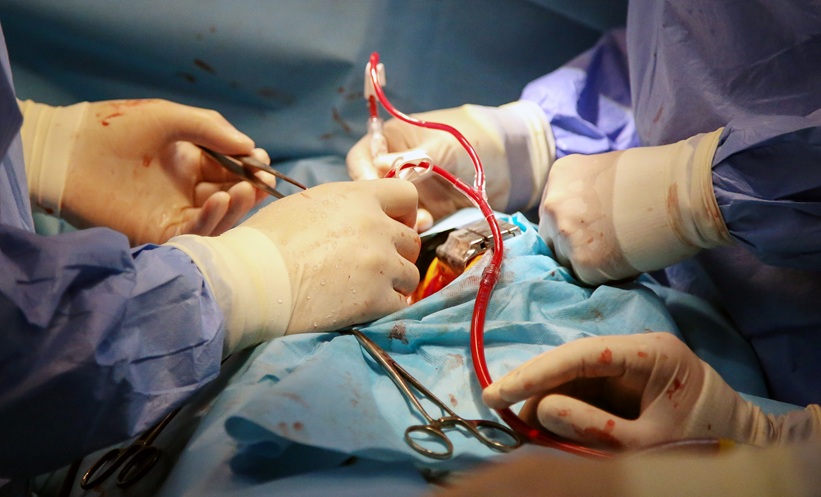
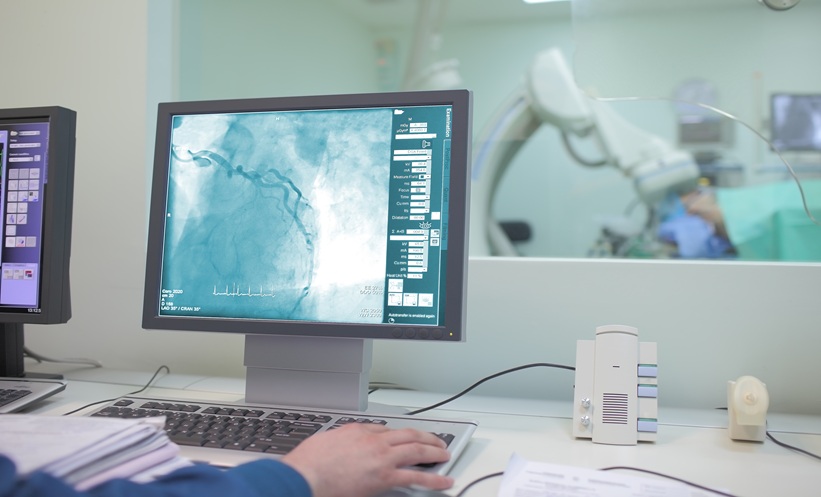
CORONARY artery bypass grafting (CABG) grafts displayed striking biological differences in a single cell atlas study that linked transcriptomic similarity to graft patency and identified potential therapeutic targets for improving long term graft longevity.
Researchers compared the native coronary artery with the three principal graft types used in CABG: the internal thoracic artery, radial artery, and saphenous vein graft.
Using publicly available single cell RNA sequencing datasets alongside immunofluorescence validation, the investigators constructed a high-resolution atlas of cellular composition and molecular function across the vessels.
Analysis showed that the internal thoracic artery possessed a vasoprotective phenotype characterised by enhanced endothelial vasodilatory function, minimal contractile potential, and a notably quiescent cell communication network.
CABG Graft Profiles Reflect Clinical Performance
The findings provided a molecular explanation for the recognised performance hierarchy among grafts.
Endothelial cells in the internal thoracic artery showed enrichment of pathways associated with prostaglandin synthesis, nitric oxide production, adaptation to shear stress, lipid metabolism, and hypoxia responses.
These characteristics suggested superior resistance to adverse vascular remodelling. In contrast, the radial artery demonstrated the highest intrinsic vasoreactivity signature.
Vascular smooth muscle cells from this graft exhibited elevated expression of genes involved in contraction, including components of the RhoA/Rho associated coiled coil containing protein kinase (ROCK) pathway.
The data indicated a biological predisposition to vasospasm, a recognised complication affecting graft performance.
The saphenous vein graft displayed the highest risk profile. Researchers identified strong pro proliferative, pro fibrotic, and pro inflammatory signatures across multiple cell populations.
Fibroblasts exhibited increased expression of genes linked to extracellular matrix remodelling and calcification, while extensive intercellular communication activity was associated with processes that may contribute to graft failure.
Novel Metric Links CABG Grafts to Patency
A key finding was the development of the Mean Inter cluster Distance metric, which quantified transcriptomic similarity between grafts and the native coronary artery.
The ranking of similarity followed the order internal thoracic artery, radial artery, then saphenous vein graft.
Researchers noted that this gradient mirrored the established clinical patency hierarchy of these conduits.
The study also highlighted candidate targets including the RhoA/ROCK and macrophage migration inhibitory factor pathways.
Additionally, inhibition of FOS and activating transcription factor 4 pathways reduced vascular smooth muscle cell proliferation in vitro, supporting their potential role in preventing adverse graft remodelling.
The authors concluded that the atlas could inform personalised graft selection and support development of future vascular graft technologies.
Reference
Yu J et al. A single-cell atlas of coronary artery and bypass grafts: from cellular heterogeneity to therapeutic targets for enhancing graft longevity. Sci Rep. 2026;DOI:10.1038/s41598-026-73566-9.