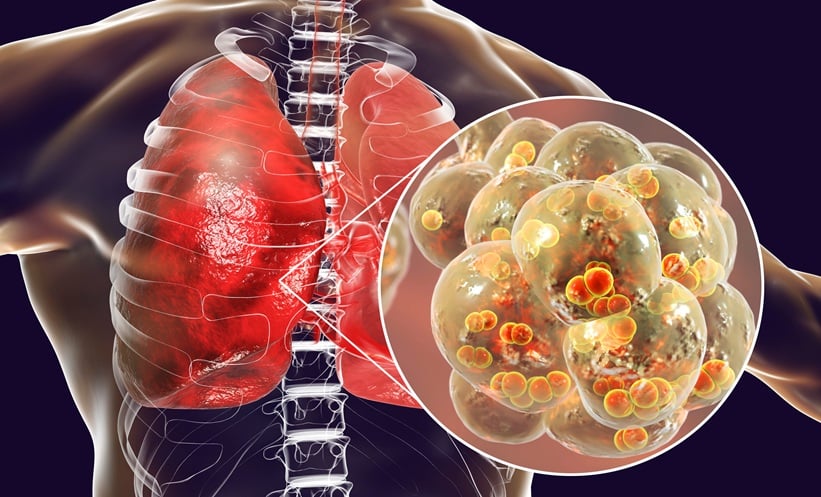
LOWER respiratory infections continue to represent the world’s deadliest infectious disease, according to a major new analysis from the Global Burden of Diseases, Injuries, and Risk Factors Study (GBD) 2023. Despite decades of progress in vaccination, antimicrobial access, and child survival programmes, the updated estimates show that lower respiratory infections remain a dominant cause of death and disability across all age groups, particularly among young children and older adults.
Global Burden of Lower Respiratory Infections Remains High
In 2023, lower respiratory infections were responsible for an estimated 2.50 million deaths worldwide and nearly 99 million disability-adjusted life-years (DALYs). The burden was highest at the extremes of age, with children younger than 5 years and adults aged 70 years and older accounting for the majority of deaths. While global mortality has declined since 2010, progress has slowed in recent years, especially among older populations, where only marginal improvements were observed.
Streptococcus pneumoniae remained the leading pathogen, accounting for approximately one quarter of all lower respiratory infection deaths globally. Other major contributors included Staphylococcus aureus and Klebsiella pneumoniae, underscoring the continued importance of bacterial pneumonia as a cause of severe disease and mortality worldwide.
Uneven Progress in Children Masks Persistent Regional Gaps
The analysis showed encouraging reductions in mortality among children younger than 5 years, with a 33% decline since 2010. However, global child mortality rates remain well above international targets. Only 129 of 204 countries met the Global Action Plan for the Prevention and Control of Pneumonia and Diarrhoea (GAPPD) target in 2023. Sub-Saharan Africa remained the region furthest from achieving this benchmark, reflecting persistent inequities in access to vaccines, healthcare infrastructure, and early treatment.
Although vaccination programmes have driven substantial gains, the findings highlight that these benefits have not been evenly distributed. Children in high-burden regions continue to face elevated risks of preventable illness and death from lower respiratory infections.
Expanding Pathogen Surveillance Highlights New Threats
A major advance in the GBD 2023 analysis was the inclusion of 11 newly modelled pathogens, which together accounted for around 22% of all lower respiratory infection deaths. Non-tuberculous mycobacteria and Aspergillus species emerged as notable contributors, particularly among older adults and immunocompromised populations. These findings point to the growing complexity of pneumonia epidemiology and the need for broader diagnostic and surveillance capacity.
The authors emphasise that sustaining progress will require equitable vaccine access, expansion of adult immunisation programmes, and adoption of newer preventive tools such as respiratory syncytial virus monoclonal antibodies. Strengthening health systems, improving early diagnosis, and addressing vaccine hesitancy are also critical. As populations age globally, balancing continued gains in child survival with rising vulnerability in older adults will be central to future pneumonia control strategies.
Reference
Sirota SB et al. Global burden of lower respiratory infections and aetiologies, 1990–2023: a systematic analysis for the Global Burden of Disease Study 2023. Lancet Infect Dis. 2025; DOI:10.1016/S1473-3099(25)00689-9.
- Author: