INFERTILITY affects an estimated one in six people worldwide at some point in their lives, yet access to prevention, diagnosis, and treatment remains uneven across regions. While major advances have been made in sexual and reproductive healthcare and medically assisted reproduction over recent decades, infertility is still not consistently included in national health policies, financing structures, or essential healthcare services in many countries.
To address these gaps, the World Health Organization (WHO) has released new evidence-based guidance outlining best practice for the prevention, diagnosis, and treatment of infertility among individuals and couples. The guideline aims to support health systems in delivering more equitable, person-centred fertility care as part of universal health coverage.
How the WHO Infertility Guideline Was Developed
The guideline was developed in line with the WHO Handbook for Guideline Development and overseen by a multidisciplinary Guideline Development Group (GDG) of 30 experts. This group included clinicians, researchers, policymakers, implementation specialists, and patient representatives from diverse global regions.
New systematic reviews were undertaken, and existing evidence was updated to inform each recommendation. The GDG used the GRADE approach to assess the certainty of the evidence, weighing benefits and harms alongside patient values, feasibility, acceptability, cost, and equity. Draft recommendations were reviewed by an external expert panel before final approval by the WHO.
Prevention and Early Management of Infertility
The guideline includes six good practice statements addressing general infertility management, such as selecting appropriate tests, involving individuals and couples in shared decision-making, documenting treatment outcomes, and ensuring appropriate clinical follow-up.
In terms of prevention, the WHO highlights the importance of providing accurate information about fertility and infertility, reducing infertility risk linked to sexually transmitted infections, addressing lifestyle-related risk factors, and discouraging tobacco use. These recommendations reinforce the role of prevention alongside clinical care.
Clear Guidance on Infertility Diagnosis
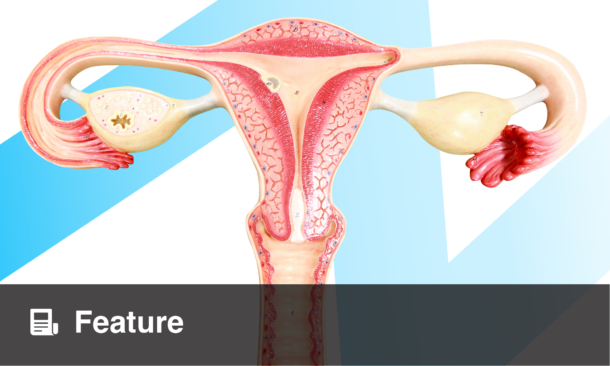
The guideline provides specific recommendations for diagnosing infertility causes in both females and males. These include guidance on assessing ovulatory dysfunction, tubal disease, uterine cavity abnormalities, and unexplained infertility in women, as well as when semen analysis should be repeated in men. This structured approach aims to improve diagnostic consistency while avoiding unnecessary or inappropriate testing.
Treatment Recommendations
Treatment guidance covers a range of common infertility-related conditions, including polycystic ovary syndrome, tubal disease, uterine septa, varicocele, and unexplained infertility. Most recommendations are conditional, reflecting limited or low-certainty evidence in many areas. Notably, the GDG did not recommend for or against antioxidant supplementation in males due to insufficient evidence.
The guideline also identifies critical research gaps, underlining the need for further high-quality studies to strengthen future recommendations.
Why These Recommendations Matter
By placing equity, scientific evidence, and access at the centre of infertility care, the WHO guideline provides a framework for countries to strengthen fertility services within their health systems. Although primarily intended for healthcare professionals, it also serves as a valuable resource for policymakers, advocacy organisations, professional societies, and funders working to improve access to infertility care globally.
Future updates are expected to expand the scope of recommendations as new evidence emerges, supporting continued progress in reproductive health worldwide.
Reference
World Health Organisation Guideline Development Group for Infertility; Mburu G et al. Recommendations from the WHO guideline for the prevention, diagnosis, and treatment of infertility†. Hum Reprod. 2025; DOI:10.1093/humrep/deaf212.
- Author: