SARS-CoV-2 infection may drive gut dysbiosis that amplifies lung inflammation and rifaximin could help interrupt this axis overall.
SARS-CoV-2 Infection and the Gut-Lung Axis
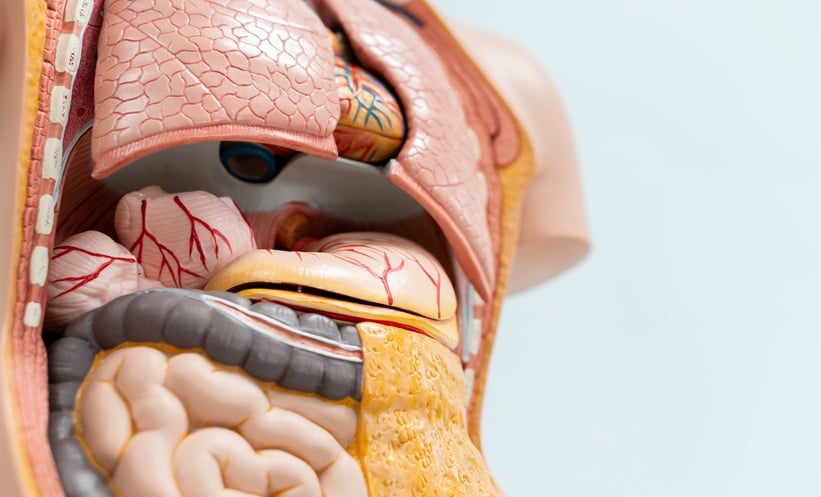
A recent review examines how COVID-19 can present with both pulmonary and extra-pulmonary manifestations, highlighting gastrointestinal involvement as a frequent extra-pulmonary feature. The authors describe how enteric SARS-CoV-2 infection may alter gut microbiota diversity, contributing to dysbiosis. This dysbiosis is proposed to increase intestinal permeability, setting the stage for secondary bacterial infections, systemic inflammation, and injury to peripheral organs.
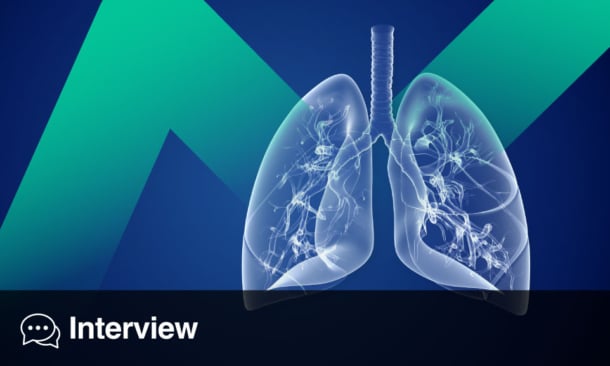
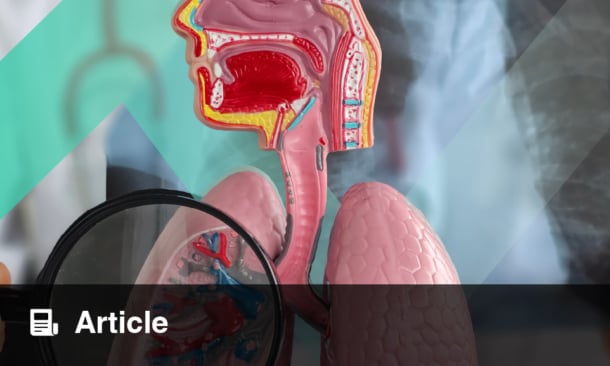
Within this model, the gut and lungs are framed as biologically connected through the gut-lung axis. The review suggests that microbiota driven immune changes and inflammatory signaling from the gut could influence pulmonary responses during SARS-CoV-2 infection, potentially shaping the severity of respiratory complications.
From Dysbiosis to Systemic Inflammation
The authors connect intestinal inflammation in SARS-CoV-2 infection with the development of “leaky gut,” in which increased permeability may allow toxins and antigens to pass into systemic circulation. They argue that this process could further worsen septic physiology in patients with COVID-19, reinforcing systemic inflammation that can feed back into lung injury.
In this gut-lung axis framework, gastrointestinal dysbiosis is not treated as an isolated finding. Instead, it is positioned as a potential amplifier of pro-inflammatory cytokine activity and downstream pulmonary inflammation during SARS-CoV-2 infection.
Rifaximin as a Gut-Targeted Option
Rifaximin is presented as a semi-synthetic antibacterial derived from rifamycin that acts locally within the gastrointestinal tract by inhibiting bacterial RNA polymerase, reducing bacterial populations and associated intestinal inflammation. The review also discusses rifaximin’s potential to inhibit bacterial adherence to the intestinal epithelium and to reduce translocation across the gut lining, effects that could theoretically limit systemic inflammatory triggers.
Beyond antibacterial action, rifaximin is described as having anti-inflammatory activity through inhibition of pro-inflammatory cytokine release and modulation of the gut pregnane X receptor. The authors also describe rifaximin as having prebiotic effects that may help maintain gut microbiota growth and potentially counter COVID-19 associated dysbiosis.
What This Could Mean for Practice
The review concludes that interrupting the gut-lung axis with anti-inflammatory strategies could reduce respiratory complications driven by intestinal inflammation in SARS-CoV-2 infection. The authors position rifaximin as a plausible candidate for managing COVID-19 associated inflammatory complications, while the overall argument remains mechanistic and hypothesis generating rather than definitive clinical proof.
Reference: Almanaa TN et al. SARS-CoV-2 infection and gut-lung axis: the potential role of rifaximin. Inflammopharmacology. 2025;doi:10.1007/s10787-025-02082-5.
- Author: