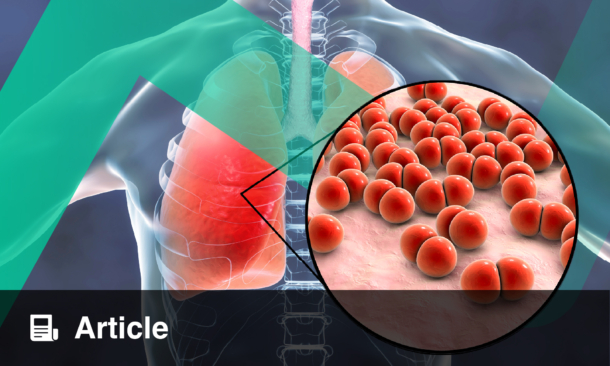
LUNG cancer is most often associated with smoking and environmental exposures, but a growing body of evidence shows that genetics can play a major role, particularly in families where multiple relatives develop the disease. A new large-scale genetic study has now uncovered rare, high-impact inherited variants that substantially increase the risk of familial lung cancer (FLC), offering new opportunities for early detection and personalised prevention.
Researchers from the Genetic Epidemiology of Lung Cancer Consortium (GELCC) analysed genetic data from 120 high-risk families with a strong history of lung cancer. By focusing on rare, potentially harmful variants shared by affected relatives, the team aimed to identify genes that may drive inherited susceptibility to the disease.
Sequencing Reveals High-Penetrance Genetic Signals in Familial Lung Cancer
Using whole-genome and exome sequencing, the researchers examined germline DNA from 177 people with familial lung cancer and 309 unaffected relatives. Variants were prioritised if they were rare in the general population and appeared in two or more affected family members. These candidate variants were then tested in over 10,000 sporadic lung cancer cases and more than 600,000 controls, strengthening confidence in the findings.
The study identified 118 candidate genetic variants, with 28 showing strong statistical support in sporadic lung cancer. Notably, the researchers uncovered a previously unrecognised pathogenic pathway involving three truncating variants in the GALNT6, MUC4, and ERBB3 genes, all of which regulate mucin-type O-glycosylation. This pathway plays a crucial role in airway biology and tumour development, making it a compelling new target for research.
DNA Repair and Cancer Signalling Pathways Implicated in Lung Cancer
Several variants mapped to a well-known lung cancer susceptibility region on chromosome 6 (6q23–25), including genes such as ROS1, LAMA2, PRKN, and SYNE1. Other high-risk variants clustered in pathways linked to DNA repair (including ATM, BRCA2, and MLH1) and oncogenic signalling (such as ERBB3, JAK1, and PIM1).
Importantly, individuals carrying multiple high-risk variants showed a clear dose-dependent increase in lung cancer risk, highlighting how combinations of rare mutations can substantially amplify susceptibility.
Implications for Screening and Personalised Care
The findings reinforce the idea that familial lung cancer is biologically distinct from sporadic disease. Identifying people who carry these rare, high-penetrance variants could support earlier screening, closer surveillance, and potentially tailored prevention strategies.
Gene-based analyses also highlighted RARB, MGMT, and EBF1 as strong contributors to inherited lung cancer risk, further expanding the list of clinically relevant targets.
By revealing new genetic drivers of familial lung cancer, this study moves the field closer to precision medicine approaches that consider inherited risk alongside environmental factors.
Reference
Liu Y et al. High penetrance rare variants underlying familial lung cancer risk: Insights from genetic epidemiology of lung cancer consortium. J Thorac Oncol. 2025; DOI:10.1016/j.jtho.2025.12.004.
- Author: