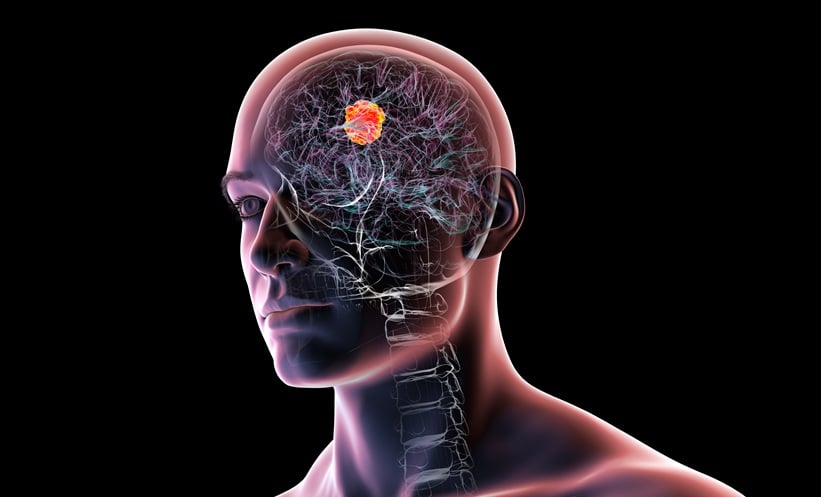
HOST-RELATED determinants of immunotherapy response in NSCLC hinge on body composition, metabolism, sex, and systemic inflammation.
Host-Related Determinants of Immunotherapy Response
Immune checkpoint inhibitors (ICIs) have transformed care for many patients with non-small cell lung cancer (NSCLC), yet response remains variable. In a narrative review, the authors synthesize evidence that outcomes are shaped not only by tumor intrinsic characteristics, but also by host-related determinants that modulate anti-tumor immunity. They emphasize nutritional status, metabolic comorbidities, and systemic inflammation as patient-level features that can influence ICI pharmacodynamics and immune effector cell competence, ultimately affecting treatment outcomes. The central message is that host biology can meaningfully shape how the immune system engages cancer in the immunotherapy setting.
Body Composition and the Obesity Paradox
The review highlights emerging data linking altered body composition to immunotherapy efficacy, focusing on obesity and sarcopenia. This has fueled discussion of an “obesity paradox,” where higher adiposity has been associated with improved ICI outcomes in some settings. However, the authors note that the signal is inconsistent across tumor types and may reflect disease-specific nutritional and immunologic profiles rather than a uniform protective effect of obesity. They also argue that advances in cross-sectional imaging are improving how body composition is characterized, which may sharpen interpretation beyond crude metrics when evaluating immunotherapy outcomes.
Metabolism, Sex, and Immune Regulation
Metabolic disorders, including type 2 diabetes and dyslipidemia, are presented as potential drivers of chronic inflammation and immune exhaustion, mechanisms that could dampen ICI activity in NSCLC. Sex is also discussed as a host-related determinant that may intersect with metabolism and immune regulation, contributing to clinically meaningful heterogeneity in anti-tumor immune responses. Alongside imaging, molecular profiling is refining characterization of host, tumor, and immune interactions, offering novel predictive insights and supporting more nuanced patient stratification.
Overall, the authors conclude that host-related determinants sit on a dynamic continuum linking metabolism, body composition, systemic inflammation, and immune regulation. A deeper understanding of this interplay may support more precise patient stratification and open opportunities for personalized immunotherapy strategies in NSCLC.
Reference: Santo V et al. Host-related Determinants of Response to Immunotherapy in Non-small Cell Lung Cancer: The Interplay of Body Composition, Metabolism, Sex and Immune Regulation. Curr Oncol Rep. 2025. doi:10.1007/s11912-025-01718-7.
- Author: