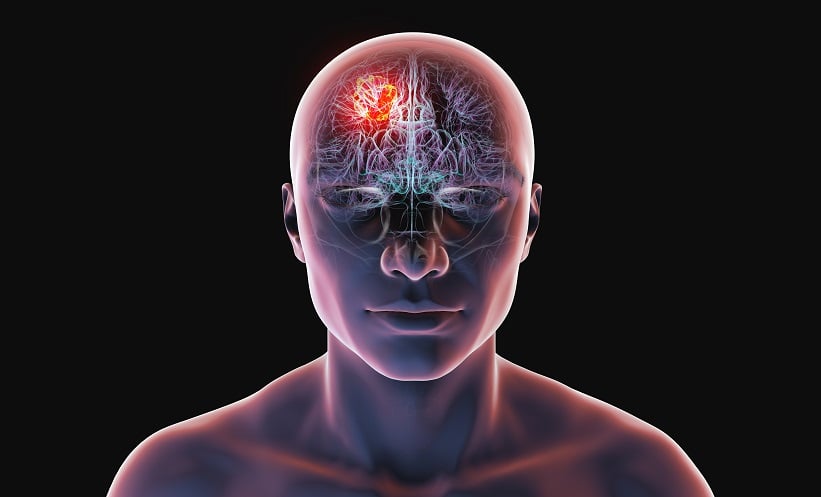
Researchers have created the most detailed spatial multiomic atlas to date of glioma tumour microenvironments, shedding new light on why these aggressive brain cancers are so difficult to treat. By combining spatial proteomics, transcriptomics and glycomics, the team analysed 670 tumour lesions from 310 adult and paediatric patients, generating a rich, open-source dataset for the cancer research community.
Gliomas are among the deadliest cancers, with survival often measured in months for the most aggressive forms such as glioblastoma (GBM). The new study helps explain why: tumour cells within the same lesion can vary dramatically in their expression of so-called “targetable” antigens.
Why Targeted Therapies Fail
Single-cell analyses revealed that even widely studied targets such as B7H3 and EGFR are inconsistently expressed. While GBM and pleomorphic xanthoastrocytoma showed a high prevalence of B7H3-positive tumour cells, most gliomas – including many childhood tumours – expressed candidate tumour antigens in fewer than half of their cancer cells.
This variability means that therapies designed to attack a single antigen may leave large portions of the tumour untouched, allowing cancer cells to survive and regrow. The findings provide a biological explanation for why promising immunotherapy and targeted therapy trials have often failed to deliver lasting benefits.
The study also examined paired samples from patients with isocitrate dehydrogenase (IDH)-mutant gliomas, comparing tumours before and after recurrence. Rather than being driven solely by genetic changes in cancer cells, recurrence was linked to a profound spatial reorganisation of the tumour microenvironment.
Immune Signals Predict Survival
In initial tumours, immune niches rich in T cells and vasculature-associated myeloid cells were common. At recurrence, these niches gave way to tumours dominated by microglia and CD206-positive macrophages, suggesting that immune remodelling plays a central role in disease progression and treatment resistance.
By integrating multiple data layers, the researchers identified N-glycosylation patterns as the strongest classifier of tumour grade. Meanwhile, immune-related gene expression programmes emerged as the most powerful predictor of survival in glioblastoma, outperforming traditional clinical and molecular markers.
Beyond its scientific findings, the atlas is being released as a community resource, offering a baseline map of glioma tumour microenvironments across all stages of disease. Researchers say it provides a new framework for glioma classification, outcome prediction and the rational design of future therapies that account for the full complexity of glioma biology.
Reference
Piyadasa H et al. Multi-omic landscape of human gliomas from diagnosis to treatment and recurrence. Cancer Cell. 2025; https://doi.org/10.1016/j.ccell.2025.11.006.
- Author: