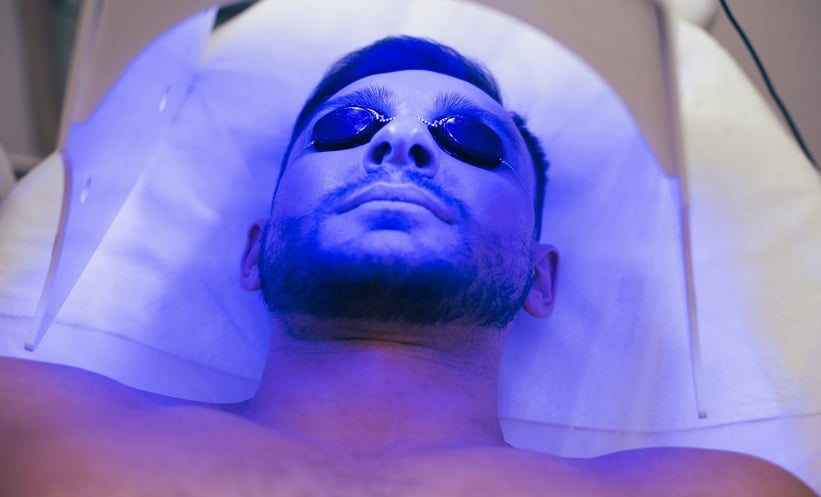
INDOOR tanning bed use substantially raises melanoma, BCC, and cSCC risks, underscoring this well-established carcinogenic profile.
Indoor Tanning Misconceptions Persist
Indoor tanning includes sunbeds and solariums that emit artificial ultraviolet radiation for cosmetic tanning. Despite longstanding links between ultraviolet exposure and skin cancer, indoor tanning remains common, in part due to persistent misconceptions about perceived benefits. Reported motivations include beautification, relaxation, “pre tanning” before holidays, and health beliefs such as vitamin D support.
The article argues these rationales do not withstand scrutiny. Tanning reflects a biological response to ultraviolet injury that occurs after DNA damage has already begun. Pre tanning does not eliminate subsequent skin cancer risk from additional sun exposure, and relaxation benefits do not justify a carcinogenic exposure. Where vitamin D is the goal, the authors emphasize that dietary intake and vitamin D supplementation can provide alternatives without exposing skin to ultraviolet radiation.
Indoor Tanning and Quantified Skin Cancer Risk
Across pooled analyses cited by the authors, ever use of tanning beds was associated with a 29% increased risk of melanoma, with higher risk when first exposure occurred before age 35. For keratinocyte cancers, ever use was linked with a 67% increased risk of cutaneous squamous cell carcinoma and a 29% increased risk of basal cell carcinoma, with higher risk when first use occurred before age 25.
Indoor tanning exposure was also associated with roughly twofold to fourfold higher risks of developing multiple primary melanomas, which the authors note exceeded the risk magnitude attributed to family history in the cited analysis. A dose response relationship between number of indoor tanning sessions and skin cancer development was reported, while even any history of use remained independently associated with increased risk.
Burden and Policy Signals
The authors highlight substantial attributable burden across the United States, Europe, and Australia, including estimates of hundreds of thousands of new skin cancer cases each year linked to indoor tanning. In geospatial work from the New England region, longer travel time to tanning facilities correlated with lower melanoma incidence rates.
Modeling studies cited suggest meaningful downstream impact from restricting access. A complete ban on tanning bed use in U.S. minors aged 14–17 years, assuming full compliance, was estimated to prevent thousands of melanoma cases and recurrences and reduce lifetime healthcare costs. The authors frame indoor tanning as a modifiable, preventable lifestyle risk factor, analogous to tobacco exposure, and argue that stronger regulation, including bans for minors, is a practical lever to reduce skin cancer risk.
Reference: Dessinioti C et al. Indoor tanning: Smoking for the skin. J Eur Acad Dermatol Venereol. 2026;doi:10.1111/jdv.70091.
- Author: