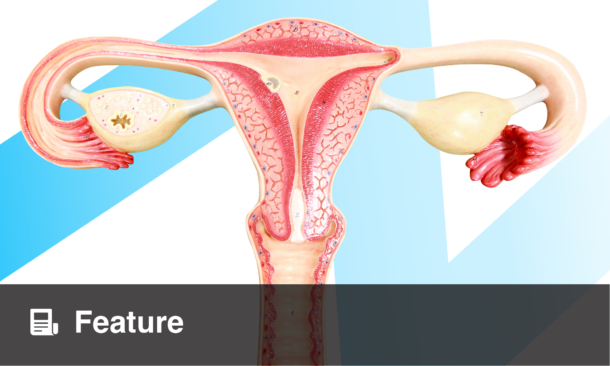
NEW population-level research has identified substantial gaps in preconception health awareness and care for women, raising concerns about missed opportunities to improve pregnancy outcomes through earlier intervention.
Preconception Health Remains Under-Addressed
Preconception health refers to a woman’s physical and mental health before pregnancy and is known to influence fertility, pregnancy complications, and long-term outcomes for both mother and child. Factors such as nutrition, chronic disease management, mental health, and lifestyle behaviours play a key role in reducing risks including miscarriage, preterm birth, and gestational complications.
Despite this, preconception care is not routinely integrated into healthcare pathways for many women.
Study Design and Key Findings
The new analysis examined survey and healthcare data from women of reproductive age across multiple regions, focusing on awareness of preconception health recommendations and engagement with healthcare services before pregnancy.
Researchers found that a large proportion of women were unaware of key preconception recommendations, including folic acid supplementation, optimisation of chronic conditions, and the impact of lifestyle factors on reproductive outcomes. Engagement with healthcare professionals before conception was low, particularly among younger women and those without existing medical conditions.
Inequalities in Access and Awareness
Marked disparities were observed by socioeconomic status, ethnicity, and access to primary healthcare. Women from disadvantaged backgrounds were less likely to receive preconception advice and more likely to enter pregnancy with unmanaged health risks.
The findings suggested that reliance on pregnancy-based care pathways may contribute to late identification of modifiable risk factors, limiting the effectiveness of interventions once pregnancy has already begun.
Implications for Reproductive Healthcare
Experts noted that improving preconception health could reduce the burden of adverse pregnancy outcomes and support healthier pregnancies overall. Integrating preconception counselling into routine primary care, contraception consultations, and chronic disease reviews was highlighted as a practical strategy.
Digital health tools and public health campaigns were also identified as potential ways to reach women who may not actively seek preconception advice.
Alignment with Global Reproductive Health Priorities
Improving preconception care aligns with broader reproductive health goals outlined by organisations such as the World Health Organization, which has emphasised the importance of early intervention to improve maternal and child health outcomes.
The authors concluded that addressing gaps in preconception health support will require coordinated action across healthcare systems, public health policy, and education, with a focus on equity and early engagement.
Reference
WHO. Preconception health awareness and care gaps among women of reproductive age. 2026. Available at: https://www.who.int/publications/i/item/preconception-care-2026. Last accessed: 09 January 2026.
- Author: