THE gut microbiome was shown to predict how well patients with Type 2 diabetes responded to newer glucose-lowering therapies after treatment initiation, according to new research examining semaglutide and empagliflozin uptake.
The study reported that changes in gut microbial composition occurred following treatment initiation, and that baseline gut microbiome profiles were associated with subsequent improvements in glycaemic control. Crucially, the findings suggested that pre-treatment microbiome signatures could help predict treatment response, particularly for patients starting semaglutide.
Gut Microbiome and Diabetes Treatment Response
The gut microbiome, which refers to the community of microorganisms residing in the gastrointestinal tract, has increasingly been recognised as a key modulator of metabolic health. Previous research has shown bidirectional interactions between older Type 2 diabetes medications and gut bacteria, but evidence for newer agents has remained limited.
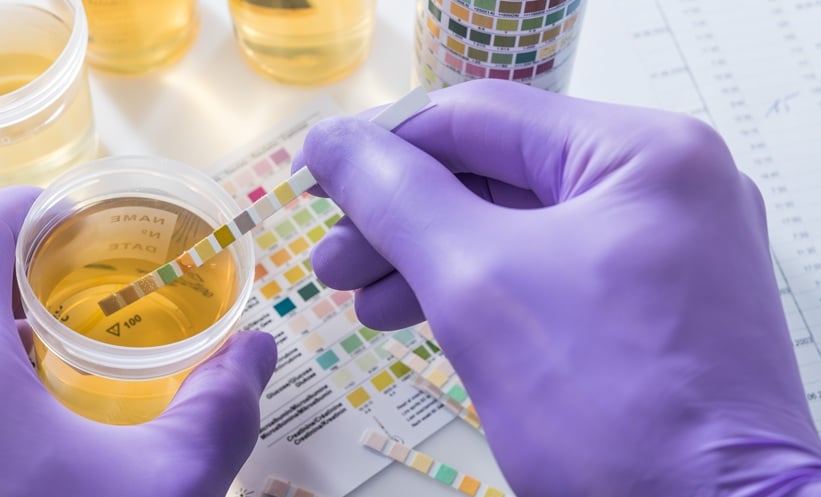
In this prospective study, adults with Type 2 diabetes provided faecal samples at baseline and at Months 1, 3, and 12 after initiating semaglutide or empagliflozin. Microbial composition was analysed using 16S ribosomal RNA gene sequencing, while plasma and urine samples were used to quantify metabolic markers, including glycohaemoglobin. Repeated measures ANOVA and paired t-tests assessed microbiome changes over time, and Pearson correlation analysis explored associations between microbial features and clinical outcomes.
The researchers found that both semaglutide and empagliflozin use were associated with shifts in gut microbial community structure after treatment initiation. However, overall microbial diversity remained unchanged, suggesting that specific taxa, rather than broad diversity metrics, drove observed effects. Importantly, baseline gut microbiome profiles predicted changes in glycohaemoglobin among users of both therapies, and the authors further reported that baseline microbial composition could predict treatment effects in patients initiating semaglutide.
Clinical Implications and Future Directions
These findings positioned the gut microbiome as a potential biomarker for personalised diabetes treatment, aligning with broader efforts to tailor therapy based on biological signatures rather than trial-and-error prescribing. Semaglutide, a glucagon-like peptide-1 receptor agonist, and empagliflozin, a sodium–glucose cotransporter-2 inhibitor, are widely used for glycaemic control and cardiometabolic risk reduction, making predictors of response especially valuable.
The authors noted several limitations, including modest sample size and missing faecal samples at some follow-up timepoints for certain participants. Larger, multi-centre studies will be required to validate predictive microbial signatures and clarify underlying mechanisms.
If confirmed, microbiome-informed treatment selection could complement existing clinical decision-making, supporting more effective and individualised management of Type 2 diabetes.
Reference
Klemets A et al. Fecal microbiome predicts treatment response after the initiation of semaglutide or empagliflozin uptake. Sci Rep. 2026; DOI:10.1038/s41598-026-36318-3.
- Author: