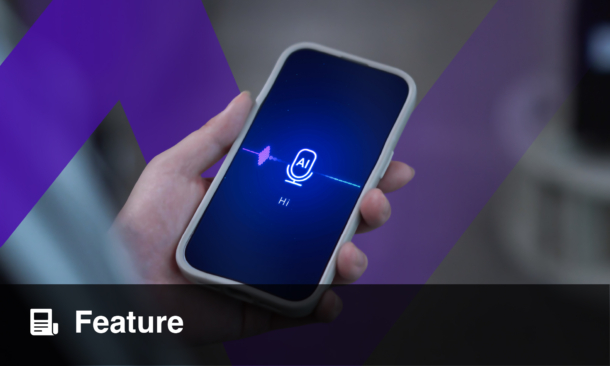
AN INTERACTIVE virtual assistant has been shown to reduce mental distress and improve blood sugar control in older adults with Type 2 diabetes, highlighting the growing role of digital health tools in routine care.
Digital Support for Older Adults with Diabetes
Type 2 diabetes affects around one in five people aged 65 years and over worldwide, and the burden extends well beyond glucose control. Many older adults experience anxiety, low mood, cognitive decline, and difficulty adhering to complex self care routines. An interactive virtual assistant offers a hands free way to deliver reminders, education, and encouragement at home. Researchers in Brazil set out to test whether such technology could support both mental health and diabetes management in seniors, beyond what is achieved with standard educational materials alone.
Trial Results Show Mental and Physical Benefits
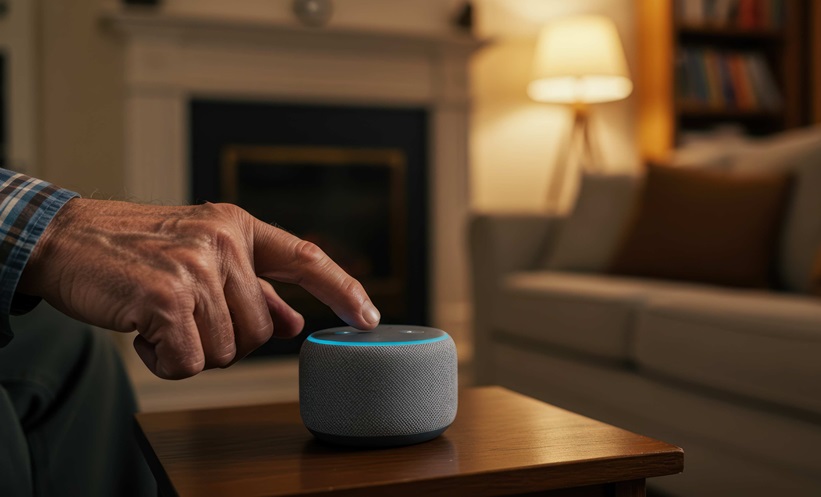
The open randomised clinical trial enrolled 112 participants aged 65 years or older with Type 2 diabetes at an academic medical centre in Brazil. Participants were randomly assigned to receive an interactive virtual assistant device for 12 weeks or to continue with usual care. The device, an Amazon Echo Dot (Amazon, Seattle, Washington, USA), was programmed with a behavioural intervention model including daily health tips, medication and blood glucose reminders, and educational audio content. At 12 weeks, the fully adjusted mean Self Reporting Questionnaire score for mental distress was 6.29 in the intervention group compared with 7.75 in the usual care group, giving a mean difference of −1.46 (95% CI, −2.73 to −0.19; P = .02). Quality of life also improved significantly (MD, 9.46; P = .001), as did adherence to diabetes self care behaviours (MD, 3.40; P < .001). Importantly, glycaemic control improved, with hemoglobin A1c reduced by −0.48% (95% CI, −0.85 to −0.11; P = .01). No adverse events related to the device were reported.
Implications for Clinical Practice and Future Care
These findings suggest that an interactive virtual assistant can act as a low cost, scalable add-on to existing diabetes care, supporting both psychological wellbeing and metabolic outcomes. The sense of engagement and human-like interaction reported by some participants may help explain improved adherence. While longer and larger studies are needed, this approach could be particularly valuable for ageing populations managing chronic disease at home.
Reference
Matzenbacher LS et al. Interactive virtual assistant for health promotion among older adults with Type 2 diabetes: the IVAM-ED randomized clinical trial. JAMA Netw Open. 2026;9(1):e2553508
- Author: