THE UK’s Medicines and Healthcare products Regulatory Agency (MHRA) has updated the product information for all glucagon-like peptide-1 receptor agonists (GLP-1RA) and dual GLP-1/glucose-dependent insulinotropic polypeptide receptor agonists (GLP-1/GIPRAs).
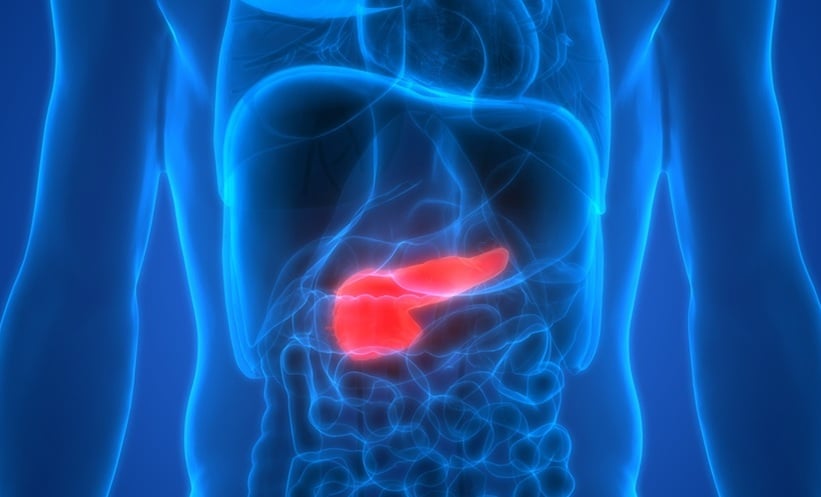
This follows rare reports of severe acute pancreatitis, including necrotising and fatal cases.
Rates of Acute Pancreatitis in GLP-1RA Use
GLP-1RAs and dual GLP-1/GIPRAs are used to treat type 2 diabetes and, occasionally, for weight management and cardiovascular risk reduction. Acute pancreatitis is a recognised side effect associated with their use.
There have been reports of particularly severe acute pancreatitis, including necrotising and fatal pancreatitis, however, they are uncommon. In fact, a 2026 large retrospective observational cohort study found no increased acute pancreatitis risk in type 2 diabetes patients using GLP-1RAs.
A 2025 case series found that those with genetic predispositions, for example, cystic fibrosis or hemochromatosis, may be more susceptible. The exact prevalence of GLP-1RA-induced acute pancreatitis remains uncertain but, between 2007 and 2025, the MHRA received 1,296 Yellow Card reports of pancreatitis associated with GLP-1RAs or dual GLP-1/GIPRAs.
Future Warnings
Alison Cave, Chief Safety Officer of the MHRA, said: “For the vast majority of patients who are prescribed GLP-1s, they are safe and effective medicines which deliver significant health benefits. The risk of developing these severe side effects is very small, but it is important that patients and healthcare professionals are aware and alert to the associated symptoms.”
An estimated 1.6 million UK adults used GLP-1s such as semaglutide (Wegovy, Ozempic) and tirzepatide (Mounjaro) to lose weight between early 2024 and early 2025, with an additional 3.3 million interested in using weight loss drugs during 2026.
NHS England’s initial goal was to prescribe the weight loss drugs to no more than 220,000 people over three years. This figure has been significantly exceeded.
Advice for Healthcare Professionals
The MHRA has advised that healthcare professionals remain vigilant for symptoms of acute pancreatitis, which may be challenging to recognise in early stages, and use GLP-1/GIP receptor agonists and GLP-1RAs with caution in patients with a history of pancreatitis.
The Yellow Card Biobank, a collaboration between MHRA and Genomics England, is currently investigating the influence of genetics on the risk of pancreatic inflammation in patients taking GLP-1s.
References
UCL. 1.6 million UK adults used weight loss drugs in past year. 2026. Available at: https://www.ucl.ac.uk/news/2026/jan/16-million-uk-adults-used-weight-loss-drugs-past-year. Last accessed: 4 February 2026.
GOV.UK. GLP-1 receptor agonists and dual GLP-1/GIP receptor agonists: strengthened warnings on acute pancreatitis, including necrotising and fatal cases. Available at: https://www.gov.uk/drug-safety-update/glp-1-receptor-agonists-and-dual-glp-1-slash-gip-receptor-agonists-strengthened-warnings-on-acute-pancreatitis-including-necrotising-and-fatal-cases. Last accessed: 4 February 2026.
Nieto L M et al. Glucagon-like peptide-1 receptor agonists use does not increase the risk for acute pancreatitis and is associated with lower complications in patients with type 2 diabetes who develop acute pancreatitis: a multicenter analysis. Am J Gastroenterol. 2026;121(2):424-431.
Sydney G I et al. Cystic fibrosis and hemochromatosis carriers may be prone to glucagon-like peptide-1 agonist pancreatitis: 3 cases. JCEM Case Rep. 2025;3(7):luaf104.
Jackson S E. Prevalence of use and interest in using glucagonlike peptide1 receptor agonists for weight loss: a population study in Great Britain. BMC Med. 2026;24(1).
- Author: