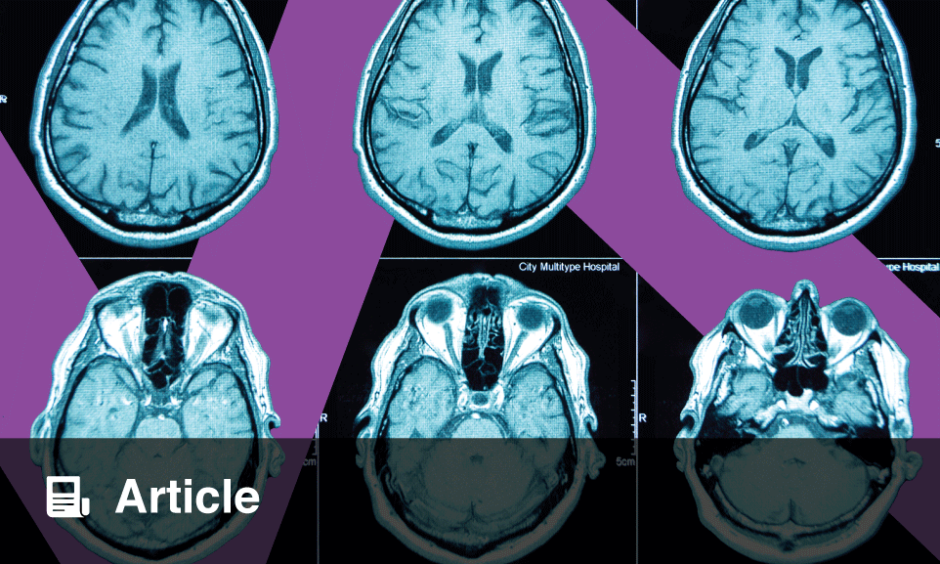
NEW genetic analysis suggests dyslexia reflects vulnerability across broad brain networks rather than a single faulty gene, reshaping understanding of a condition affecting up to 20% of the global population.
Four Decades of Genetic Research on Dyslexia
Dyslexia, also known as specific reading disorder, has traditionally been framed as a narrowly defined neurodevelopmental condition with discrete genetic origins. However, a comprehensive review led by University of Houston psychologist Elena Grigorenko challenges this view. By analysing forty years of genetics research, the study argues that dyslexia arises from disruptions to ancient neural systems embedded within modern human brain architecture. This broader perspective positions dyslexia as the outcome of complex biological processes rather than isolated genetic defects, helping explain why reading difficulties often co-occur with other cognitive differences.
Genetic Mapping Reveals Two Developmental Pathways
To investigate the genetic basis of dyslexia, researchers systematically reviewed literature published over the past four decades and identified 175 candidate genes linked to reading difficulties. Using bioinformatic tools, the team examined evolutionary conservation, developmental gene expression, and functional networks. The analysis revealed that many dyslexia associated genes are highly conserved across species, indicating deep evolutionary roots. Importantly, developmental transcriptome data identified two distinct gene clusters separated by timing. One group is active early in fetal development and contributes to brain structure and wiring. The second group becomes active around 24 postconception weeks and supports synaptic signalling between neurons. Single cell analyses further showed cell type specific expression and protein interaction networks, suggesting coordinated biological pathways rather than isolated gene effects. These findings challenge the concept of reading specific genes and instead highlight dyslexia as a systems level condition.
Implications for Diagnosis and Intervention
By reframing dyslexia as a network-based vulnerability, the study has important implications for clinical practice. Early identification may benefit from broader neurodevelopmental screening rather than focusing solely on reading outcomes. Interventions could also shift towards supporting underlying cognitive and neural processes shared across learning domains. Understanding dyslexia through this wider biological lens may reduce stigma and encourage more personalised educational strategies.
Reference
Dobrynin P et al. Four decades of inquiry into the genetic bases of specific reading disability. J Speech Lang Hear Res. 2025;DOI:10.1044/2025_jslhr-25-00050.
- Author: