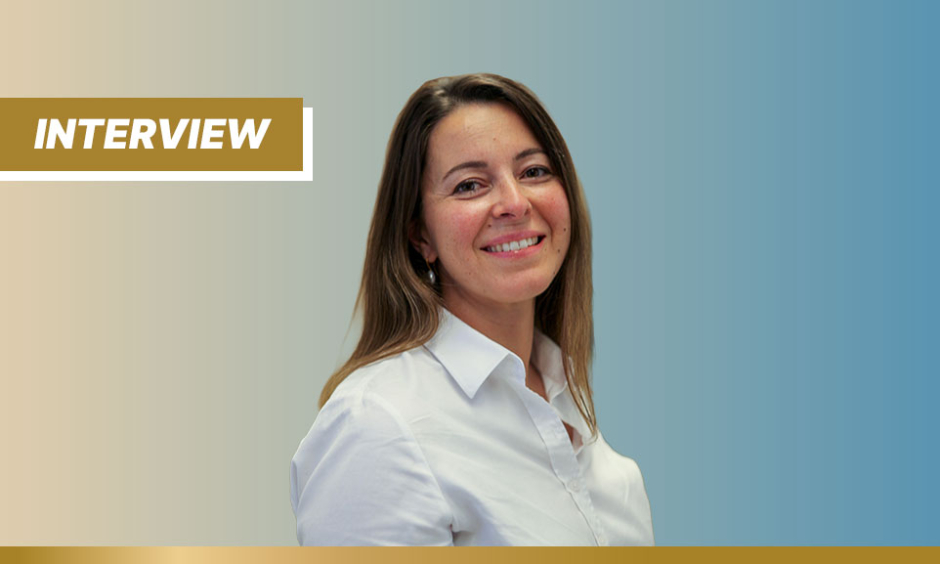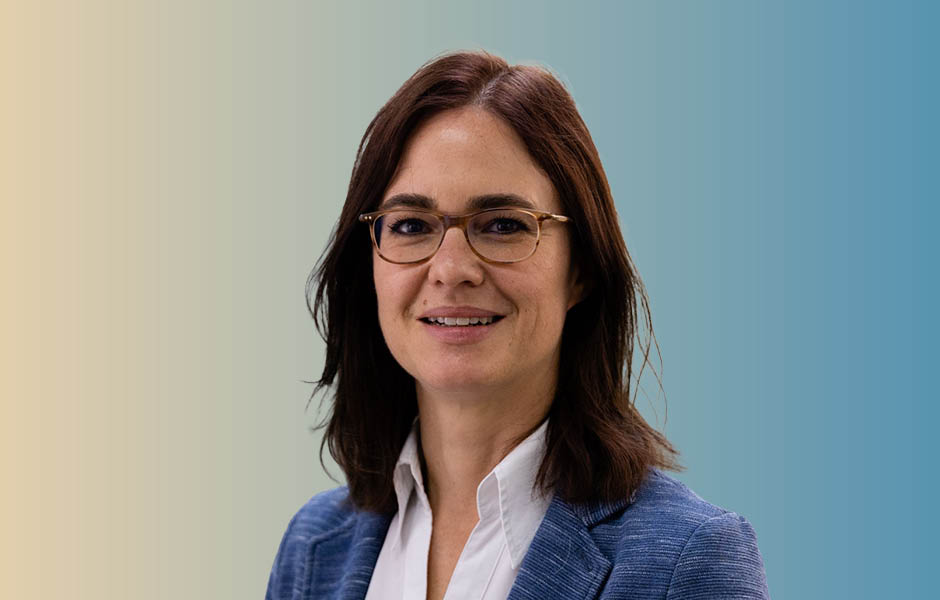
Dr Stefanie Rau, Global Medical Affairs Manager for Healthy Ageing, Nestlé Health Science, shares why healthy ageing matters, and why it’s never too early to invest in long-term health
Interview by Isabel O’Brien
Your area is really interesting. What drew you to the field of healthy ageing?
My path into healthy ageing began with joint health. Talking to experts and reading a lot of publications opened my eyes to the remarkable interplay between musculoskeletal biology, lifestyle and nutrition. It is clear how profoundly mobility influences quality of life, and how early we need to act to preserve it. From there, it felt like a natural evolution to explore healthy ageing more holistically – how we can preserve overall function, strength and resilience over time. Healthy ageing isn’t just an academic interest, it’s a way to meaningfully improve how people live every day. And what motivates me most is knowing that this work can benefit everyone around us, including our own relatives, friends and loved ones.
Talk us through the day-to-day of a global medical affairs lead
In global medical affairs, I work closely with marketing and R&D teams, as well as with my global medical affairs colleagues and country medical teams, to add value and ensure that everything we do is scientifically robust, ethically grounded and aligned with our global strategy. I truly enjoy working in such a broad cross-functional environment. A typical day might involve reviewing publications, shaping scientific educational material for our healthy ageing portfolio, supporting market teams with medical guidance, gathering information from our scientists, or aligning with stakeholders on strategic priorities. Coordination and clear communication are essential. Ultimately, it’s about making sure that science guides decisions – and that patients, consumers, and HCPs receive trustworthy, evidence‑based information.
What is the biggest challenge you are navigating in your role right now?
One of the biggest challenges is translating scientific complexity into simplicity and clarity while maintaining accuracy. In global medical affairs, we work with diverse audiences – different healthcare professionals, internal teams and consumers – each with different levels of scientific familiarity. Finding the right balance between scientific rigor and approachable communication is demanding and requires careful judgement, strong scientific grounding and constant collaboration. In addition, flexibility is required to adapt to the rapid evolution of science, regulatory diversity across markets and increasing expectations from healthcare professionals.
Healthy ageing is not something we should postpone until retirement; it’s a lifelong process
What is one misconception about healthy ageing you would like to clear up?
A common misconception is that ageing begins “later in life”. In truth, the biological processes we associate with ageing start much earlier than people think, often already in our 30s and 40s – long before we notice any visible signs. That’s when muscle mass gradually starts to decline, joint cartilage begins to change and metabolic flexibility slowly decreases. Yet most people only start paying attention once symptoms appear. What I’d like to clarify is that healthy ageing is not something we should postpone until retirement; it’s a lifelong process. Small, preventative actions taken early – whether nutrition, movement, or lifestyle choices – can significantly influence how well we function decades later. Helping people understand that small steps taken today can make a profound difference tomorrow requires not only clear scientific communication but also shifting mindsets.
What does ageing well mean to you personally?
To me, ageing well means staying curious – continuing to learn, explore and try new things, no matter what people would find appropriate for the age. Equally important is maintaining the ability to move freely and remain independent for as long as possible. There’s a profound difference between chronological age – the years we’ve lived – and biological age, which reflects how our body is actually functioning. Professionally, working in healthy ageing, I see how the right nutrition, exercise and lifestyle can help preserve strength, support mobility and sustain resilience over time. My goal is to support my body so it feels younger than the years imply, while maintaining a learning mindset. And fortunately, we now have many inspiring role models who show us that healthy, active ageing is not only possible – it’s increasingly achievable for all of us.
Guest bio
Dr Stefanie Rau is Global Medical Affairs Manager for Healthy Ageing at Nestlé Health Science. Here, she leads medical affairs strategy for healthcare nutrition, working cross-functionally to ensure evidence-based, compliant scientific communication and engagement with healthcare professionals. She is also a trained veterinarian and holds over a decade of experience in medical affairs across pharma and nutrition.