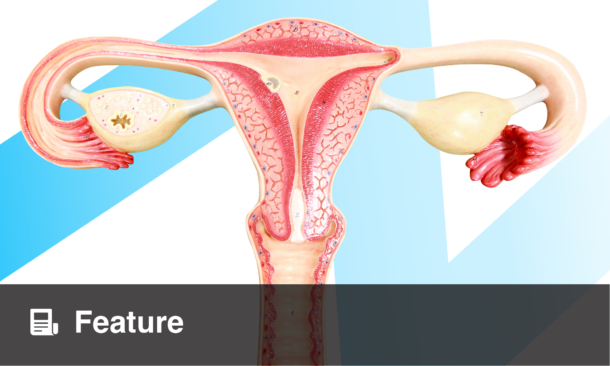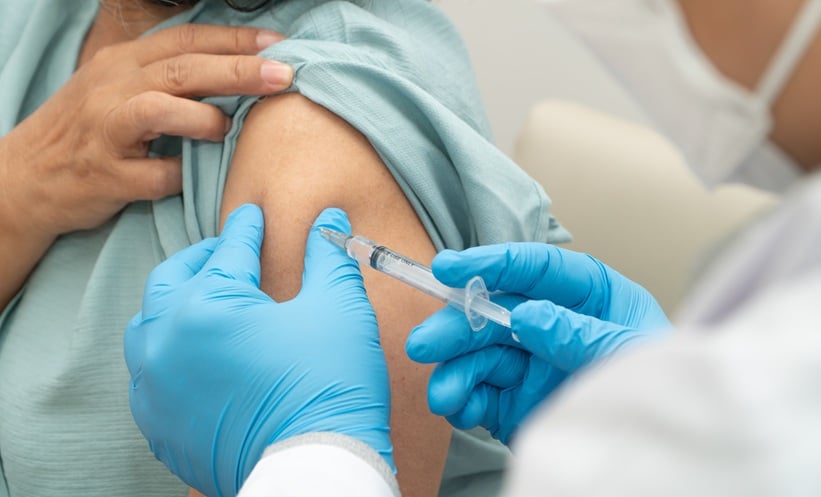
WOMEN vaccinated against human papillomavirus (HPV) by the age of 30 likely require fewer cervical cancer screenings, needing only two or three in a lifetime, a 2026 Norwegian study has found.
HPV and Cervical Cancer
The NHS invites women and people with a cervix aged 24 to 64 for routine cervical cancer screening every 5 years. It also offers the HPV vaccine to all children aged 12 to 13.
Nearly all cervical cancers are caused by an infection with certain high-risk types of HPV. It is the most common sexually transmitted infection and normally asymptomatic.
Cervical cancer is most common in women aged between 30 and 35.
HPV Vaccine and Screening Frequency
The mathematical modelling study used government health data to analyse hypothetical cohorts of women vaccinated in seven different age groups with bivalent or nonavalent HPV vaccines: 12, 13 to 15, 16 to 18, 19 to 21, 22 to 24, 25 to 27, and 28 to 30 years.
Researchers modelled the health impacts and cost-effectiveness of cervical cancer screening frequency.
For all vaccination types and age groups, less frequent cervical cancer screening with longer intervals between screening than the current recommended time frame of 5 years was consistently preferred. This was at a threshold of 55,000 USD per quality-adjusted life-year.
The younger the person is when vaccinated, the longer they could safely go without between screenings.
Those HPV-vaccinated between 25 and 30 could safely go 10 years between cervical cancer screenings, those vaccinated between 19 and 21 could go 20 years (starting at age 25), and those vaccinated before 19 could go 25 years.
Overall, the preferred strategy for women vaccinated between 12 and 24 years was screening every 15 to 25 years. This equates to two to three times during a lifetime.
Warnings
The study did not examine unvaccinated women, who may benefit from herd immunity.
Researchers also warned that future research is needed before screenings are reduced, and prior vulnerabilities of patients should always be considered.
Optimal Screening Programmes
Optimal screening programmes likely involve less cervical cancer screening for women who were vaccinated against HPV by 30 years of age. This could be altered depending on age at vaccination and HPV vaccine type.
References
Pedersen K et al. Optimizing cervical cancer screening by age at vaccination for human papillomavirus: Health and resource implications. Ann Intern Med. 2026;DOI:10.7326/ANNALS-25-03192.
National Health Service (NHS) England. Cervical screening: programme overview. 2015. Available at: https://www.gov.uk/guidance/cervical-screening-programme-overview. Last accessed: 22 February 2026.
National Health Service (NHS) England. Causes of cervical cancer. 2024. Available at: https://www.nhs.uk/conditions/cervical-cancer/causes/. Last accessed: 22 February 2026.
- Author: