Rates of long-acting reversible contraception (LARC) prescriptions in the least deprived areas are more than 30% higher than in the most deprived areas of England, NHS data has revealed.
The highest rates of prescription were in the South West and South East.
The prescribing of short acting contraceptives in primary care, comprising the majority of contraceptive prescriptions, follows a similar pattern with deprivation.
Contraceptive prescription rates are significantly lower than pre-pandemic.
LARC
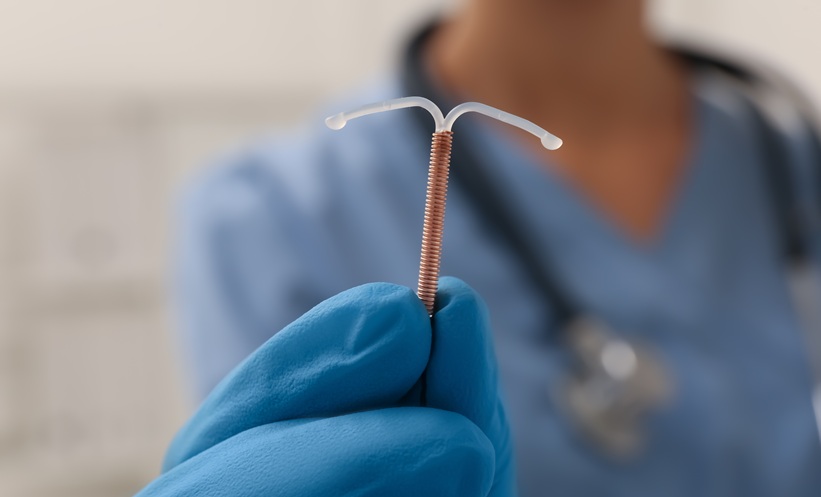
Methods of LARC prescribed to women include progestogen-only injections, under the skin progestogen-only implants, and progestin-releasing or copper intrauterine devices.
Short-acting reversible contraception prescribed to women include combined oral contraceptives and progestogen-only pills.
An increase in the provision of LARC is used as an indicator of wider access to the range of available contraceptive methods.
LARC Prescription Rates
The overall use of LARC (excluding injectables, as they are recorded separately due to a reliance on timely repeat visits leading to higher failure rates than other methods) remains significantly lower than before the pandemic, at 40 prescriptions per 1,000 women of reproductive age.
According to updated NHS data, in 2024, rates of LARC prescriptions were lowest in London. They were also lower in the most deprived local authorities (32.5 per 1,000) than the least deprived (50 per 1,000).
The South West, South East, Yorkshire and the Humber, and East Midlands are the only regions with prescription rates above the average.
Short-Acting Reversible Contraceptive Prescription Rates
The short-acting reversible contraceptive prescription rate was 94.5 in 2024.
Again, prescription rates of short-acting reversible contraceptives remain substantially lower than pre-pandemic: almost 40% lower in 2024 than 2019 when prescribed in primary care and nearly 50% lower when prescribed by sexual health services.
Similarly, rates of prescribing by primary care were significantly lower in the most deprived local authorities which had a rate of 74.5 prescriptions per 1,000 women.
In the least deprived authorities, the rate was 115.6 per 1,000.
Engagement with Sexual Health Services
The sexual health service attendance rate for women under 25 was 95.6 per 1,000 population in 2024. It remains below the pre-pandemic level of 133.4 per 1,000 women of reproductive age.
Reference
Office for Health Improvement & Disparities. Sexual and reproductive health profiles: statistical commentary, February 2026. Available at: https://www.gov.uk/government/statistics/sexual-and-reproductive-health-profiles-february-2026-update/sexual-and-reproductive-health-profiles-statistical-commentary-february-2026. Last accessed 28 February 2026.
Featured image: New Africa on Adobe Stock
- Author: