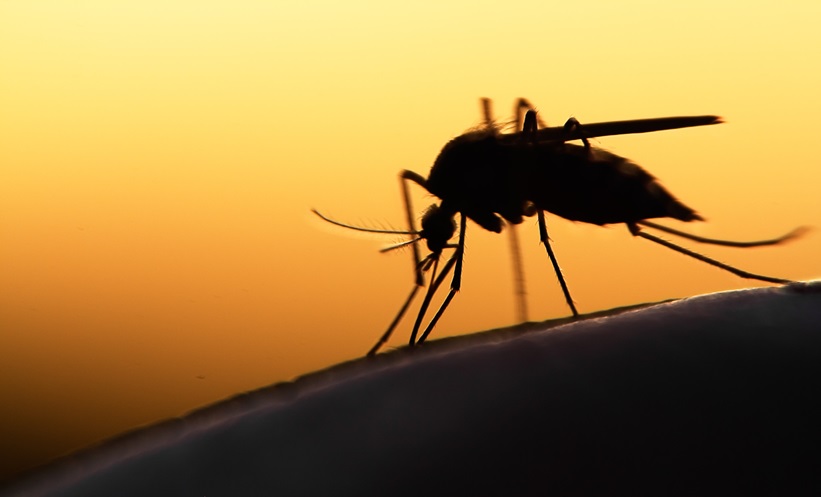
MALARIA in pregnancy remains a major driver of maternal anaemia across sub–Saharan Africa, with modelling estimates indicating 2.41 million cases of moderate or severe anaemia in 2023 in the absence of preventive measures.
Investigators combined individual level data from 12,608 pregnancies across seven African countries, including haemoglobin concentration, gravidity, gestational age, and polymerase chain reaction confirmed Plasmodium falciparum infection. These data were integrated with a gravidity specific model of malaria exposure and immunity, linked to contemporary maps of transmission intensity and fertility.
Malaria In Pregnancy and Anaemia Risk
For 2023, an estimated 13.1 million pregnancies in malaria endemic African regions were exposed to Plasmodium falciparum. In the absence of preventive interventions, this exposure was projected to result in 2.41 million cases of moderate or severe anaemia defined as haemoglobin less than 9 g dl−1: 95% credible interval: 1.98–3.04 million. Of these, approximately 600,000 cases would have been severe anaemia defined as haemoglobin less than 7 g dl−1: 408,000–906,000.
A counterfactual scenario modelling 2,000 transmission levels suggested that a 32% reduction in malaria exposure during pregnancy translated into only a 22% decline in intrinsic anaemia burden. This more modest reduction reflects a shift in risk distribution. As transmission declines, risk moves from being concentrated in primigravidae to a more even distribution across gravidities, as multigravid women acquire less pregnancy specific immunity.
Impact Of Preventive Treatment
Calibrating the model to randomised trial data, the researchers estimated that under current coverage, intermittent preventive treatment of malaria in pregnancy using sulfadoxine pyrimethamine averted around 1.10 million cases of moderate or severe anaemia (0.72–1.61 million) and 330,000 severe cases (225,000–523,000) in 2023.
These findings indicate that although the overall burden of malaria in pregnancy has declined substantially, it continues to represent a major contributor to maternal anaemia. Reduced immunity among multigravid women in lower transmission settings also raises concern that disruption to intermittent preventive treatment programmes or broader malaria control efforts could lead to rapid resurgence of severe maternal anaemia, with significant implications for maternal and neonatal health.
Reference
Leuba SI et al. The burden of malaria-attributable maternal anaemia and the impact of preventive treatment across sub-Saharan Africa. Nature Health. 2026; https://doi.org/10.1038/s44360-026-00068-3.
Featured image: mycteria on Adobe Stock
Featured image: mycteria on Adobe Stock
- Author: