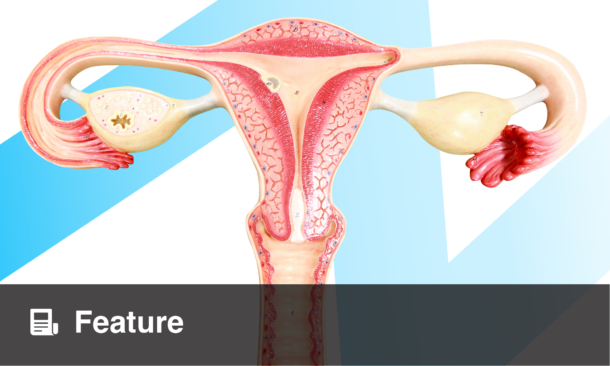
A COMPREHENSIVE retrospective study1 has highlighted differences in clinical presentation and ultrasound characteristics between usual-type uterine fibroids and their variant forms. Uterine fibroids, known scientifically as leiomyomas, are benign smooth muscle tumours of the uterus. They are common in women of reproductive age but can also persist or appear differently after menopause2. The study aimed to systematically characterise these tumours ultrasonically to support accurate imaging interpretation.
Patient Demographics and Prevalence of Uterine Fibroids
The analysis included 1,766 patients with histologically confirmed benign uterine mesenchymal tumours. Most (78.3%) had usual-type fibroids, while 21.7% presented with variant forms. The median age at diagnosis was 45 years. Most participants were premenopausal; however, variant fibroids were more frequently observed in postmenopausal women (21.5% vs 12.6% in usual-type), indicating differences in clinical presentation.
Methodology and Classification
This single-centre, retrospective study classified tumours according to the 2020 World Health Organisation system and standard Morphological Uterus Sonographic Assessment criteria. Two independent ultrasound examiners reviewed all images to identify patterns associated with both usual-type and variant leiomyomas, providing a reliable framework for characterising morphological features.
Ultrasound Characteristics of Uterine Fibroid Variants
Variant leiomyomas were generally larger than usual-type fibroids, with median maximum diameters of 82.5 mm versus 70 mm. Variant leiomyomas were also more likely to contain cystic areas (33.2% vs 12.8%) and showed slightly fewer acoustic shadows (79.1% vs 90.4%). Specific subtypes demonstrated distinctive features: epithelioid leiomyomas were the largest variants, mitotically active fibroids exhibited uniform echostructure and regular margins with minimal cystic changes, and lipoleiomyomas occasionally contained calcifications. In total, 13 ultrasound patterns were identified, some correlating with specific variant subtypes.
Limitations and Clinical Significance
As a single-centre study, the findings may not fully represent the broader population. Further multicentre research is warranted to validate these ultrasound patterns and explore potential correlations with clinical outcomes or tumour behaviour over time.
The systematic characterisation of uterine fibroids and their variants provides a valuable reference for gynaecologists and radiologists. Recognising distinct ultrasound patterns can enhance diagnostic confidence and support subtype-specific evaluation in routine imaging. This could lead to improvements in overall assessment strategies for benign uterine tumours.
References
- Russo C et al. Imaging in gynecological disease (30): clinical and ultrasound characteristics of usual-type and variants of leiomyoma. Ultrasound Obstet Gynecol. 2025;67(3):385-397
- Marsh EE et al. Uterine Fibroids. JAMA. 2024;331(17):1492-1493
Featured image: Romaset on Adobe Stock
- Author: