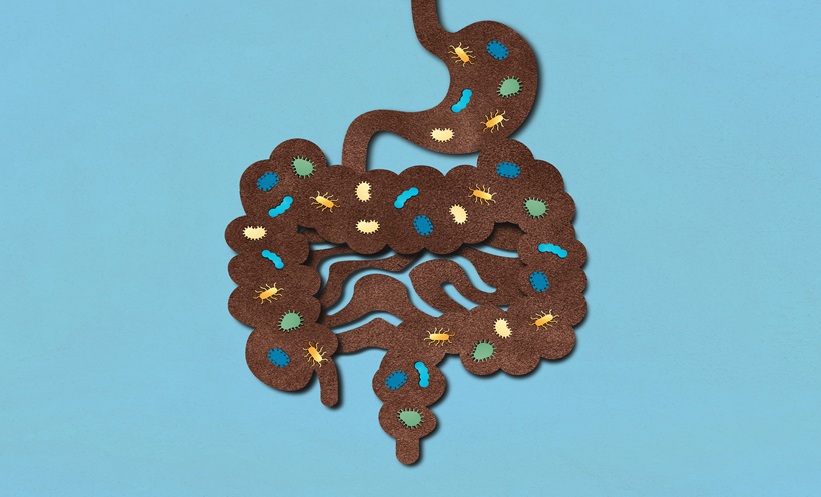
A NEW clinical study suggested that faecal microbiota transplantation (FMT) enhanced treatment response in adults experiencing depressive episodes when used alongside standard medication.
Depression remains a leading contributor to global disability, with many patients failing to achieve adequate symptom relief from pharmacological therapies alone. Growing evidence has highlighted the gut–brain axis as a potential therapeutic target, prompting investigation into microbiome-based interventions such as FMT.
Faecal Microbiota Transplantation Effective as an Adjunct
In this randomised study, 46 adults aged 18–65 with diagnosed depressive episodes were assigned to receive either FMT combined with medication or medication alone. After 2 weeks, patients in the adjunctive FMT group demonstrated significantly greater reductions in Hamilton Depression Rating Scale (HAMD-24) scores compared with controls (p=0.048), alongside a higher overall reduction rate (p=0.016).
These findings aligned with increasing interest in microbiota modulation as a strategy for improving mental health outcomes.
Microbiota Changes
Microbiological analysis revealed significant post-treatment increases in beneficial bacterial genera, including Enterococcus, Lactobacillus, Bifidobacterium, and Butyricicoccus (p<0.05). Notably, relative Enterococcus abundance increased significantly following treatment (p=0.02) and showed a positive correlation with depression severity scores post-intervention (p=0.030), suggesting a possible mechanistic link.
Correlation analyses further demonstrated that baseline levels of Clostridium prausnitzii, Butyricicoccus, and Eubacterium rectale were negatively associated with depressive severity, reinforcing the role of gut microbial composition in mood regulation.
Safety Profile
Despite these microbial shifts, the overall structure of the gut microbiota did not significantly change following FMT, indicating that targeted alterations in key species rather than broad compositional changes may underlie clinical benefit.
Importantly, FMT was well tolerated. Adverse event rates were similar between groups (28.6% versus 30%; p=0.928), with reported symptoms such as nausea and vomiting described as mild and self-limiting. No serious adverse events were observed.
However, due to the small sample size and short follow-up duration, larger, longer-term studies are required to confirm durability of response and to better define optimal treatment protocols.
Overall, these findings suggested that FMT may represent a promising adjunctive approach in depression management, offering new insights into microbiome-targeted therapies and the biological underpinnings of mood disorders.
Reference
Wang L et al. A study on the efficacy and safety of fecal microbiota transplantation as an adjunctive therapy for treating depressive episodes. Sci Rep. 2026; DOI:10.1038/s41598-026-41801-y.
Featured image: ArtemisDiana on Adobe Stock
- Author: