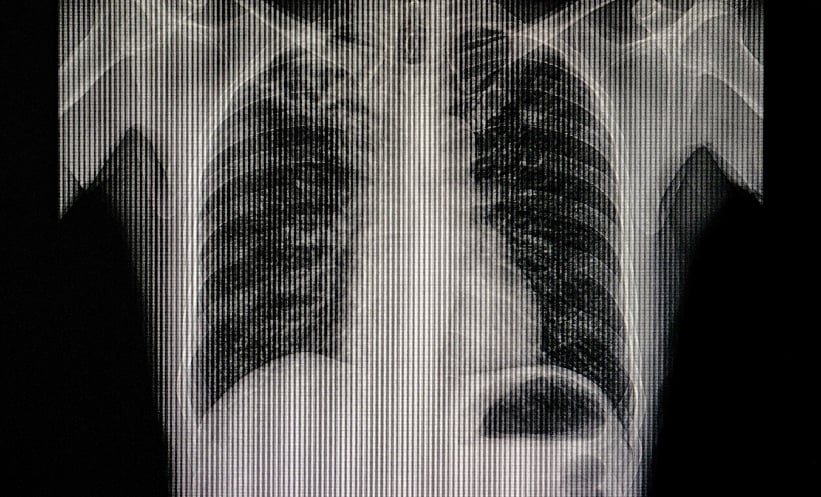
AI CHEST X-rays could significantly expand tuberculosis detection in low- and middle-income countries (LMICs), where limited imaging access and workforce shortages continue to hinder timely diagnosis. Tuberculosis, a treatable infectious disease primarily affecting the lungs, remains a major global health burden, with millions of active cases and over a million deaths annually.
Global Imaging Gap Drives Innovation
Medical imaging underpins modern diagnostics, yet stark inequities persist. Around two-thirds of the global population lack adequate imaging access, with an estimated 3.21 billion people in LMICs lacking access to basic imaging services. Compared with high-income countries, these regions face severe shortages in CT and MRI scanners and trained radiologists, alongside barriers such as long travel distances and delays in care.
Chest X-rays, a widely available and relatively low-cost modality, already form the backbone of respiratory disease screening in these settings. They can detect a broad spectrum of conditions, including TB, pneumonia and lung cancer, and are particularly valuable as a triage tool.
AI Chest X-Rays Enhance Case Finding
Recent evidence suggests that AI chest X-rays may improve both diagnostic accuracy and efficiency in TB screening programmes. AI-assisted interpretation has been associated with increased sensitivity for detecting thoracic abnormalities by up to 26%, and reduced reading times by nearly a third.
Crucially, chest X-rays can identify TB-related lung changes even in asymptomatic individuals. This is significant given that a substantial proportion of microbiologically confirmed TB cases present without clear symptoms. AI tools can support active case finding strategies, including mass screening in high-risk populations, by flagging abnormalities and prioritising patients for confirmatory testing.
Ultra-portable X-ray systems integrated with AI are also enabling outreach to remote communities, operating without fixed infrastructure and supporting decentralised care delivery.
Beyond TB: Broader Diagnostic Potential
AI-enabled CXR workflows may extend beyond TB detection. Automated analysis can identify other clinically relevant abnormalities, such as cardiomegaly and pulmonary disease, creating opportunities for integrated, multi-disease screening. This is particularly relevant as non-communicable diseases rise in LMICs, often alongside infectious conditions.
Limitations and Cautious Interpretation
Despite promising findings, the evidence base remains largely drawn from implementation studies and technology-led evaluations. Concerns persist around algorithm bias, variability in performance across populations, and over-reliance on automated systems in settings with limited clinical oversight.
Additionally, many studies originate from organisations involved in developing AI tools, underlining the need for independent validation and robust regulatory frameworks. Infrastructure requirements such as stable electricity, internet connectivity and maintenance also remain barriers in some regions.
Implications For Practice and Policy
While AI chest X-rays offer a pragmatic approach to addressing diagnostic gaps, their integration should complement, not replace, clinical expertise. Scaling these technologies will require alignment with national digital health strategies, investment in infrastructure, and clear referral pathways.
If implemented carefully, AI-assisted imaging could support earlier diagnosis, streamline workflows, and expand access to care, particularly in underserved populations where the burden of TB remains highest.
Reference
Vijayan S et al. Artificial intelligence-assisted chest X-ray for tuberculosis case finding in low- and middle-income countries: implementation experiences and impact. BJR Open. 2026;DOI:10.1093/bjro/tzag007.
Featured image: SOPONE on Adobe stock
- Author: