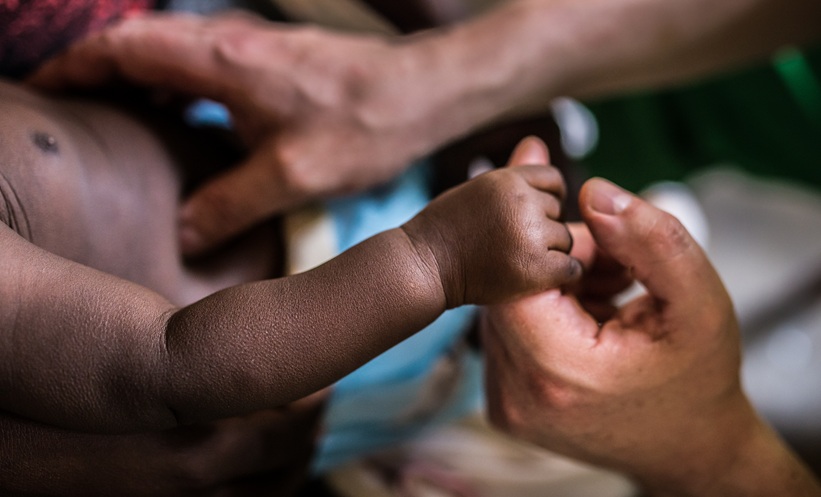
A BREAKTHROUGH study provides the first high-resolution insight into the oral microbiomes of children with acute noma. Noma is a rapidly progressing and often fatal orofacial disease that primarily affects children living in extreme poverty. The condition destroys tissues of the mouth and face within days, and without timely antibiotic treatment, it can be deadly.
Despite its severity and recognition as a World Health Organization (WHO) Neglected Tropical Disease in 2023, the specific microbial causes of noma have remained poorly understood, making prevention and early diagnosis extremely challenging.
Metagenomic Analysis in Children with Noma
Researchers performed deep shotgun metagenomic sequencing on saliva samples from 19 Nigerian children treated at the Noma Children’s Hospital in Sokoto, Nigeria. The analyses revealed profound microbial differences between children with noma and healthy children.
Certain bacteria, including Treponema, Porphyromonas, and Bacteroides, were significantly enriched in children with noma, while bacteria typically present in healthy mouths, such as Streptococcus and Rothia, were notably depleted.
Identification of a Novel Treponema Species
Among the findings, a previously undescribed species called Treponema sp. A emerged as a potential key player in noma. This novel species was present in 15 of the 19 children studied but was absent from internationally representative datasets of healthy saliva samples.
Further analysis of previously published datasets from noma cases in Niger confirmed that Treponema sp. A was highly prevalent in noma patients while being extremely rare in controls. These results suggest that Treponema sp. A could either contribute directly to disease development or serve as a reliable marker of microbial imbalance in noma.
Antibiotic Resistance Challenges in Noma
The study also highlighted a concerning presence of antimicrobial resistance genes in the oral microbiomes of children with noma. Resistance was detected against antibiotics commonly used in treatment, including beta-lactams and metronidazole, particularly among Prevotella species.
Implications for Diagnosis and Treatment
These findings offer a critical framework for understanding the microbial dynamics of noma and identifying potential diagnostic and therapeutic targets. The study also demonstrates the power of metagenomic technologies to reveal hidden pathogens and provides a foundation for larger, more comprehensive studies.
Ultimately, this research marks a major step forward in tackling a devastating childhood disease that has remained understudied for centuries, offering hope for better outcomes for vulnerable children in resource-limited regions.
Reference
Olaleye M et al. Shotgun metagenomic analysis of the oral microbiomes of children with noma. PLoS Negl Trop Dis. 2026;20(3):e0014118.
Featured image: Zsolt Repasy on Adobe Stock
- Editorial lead: