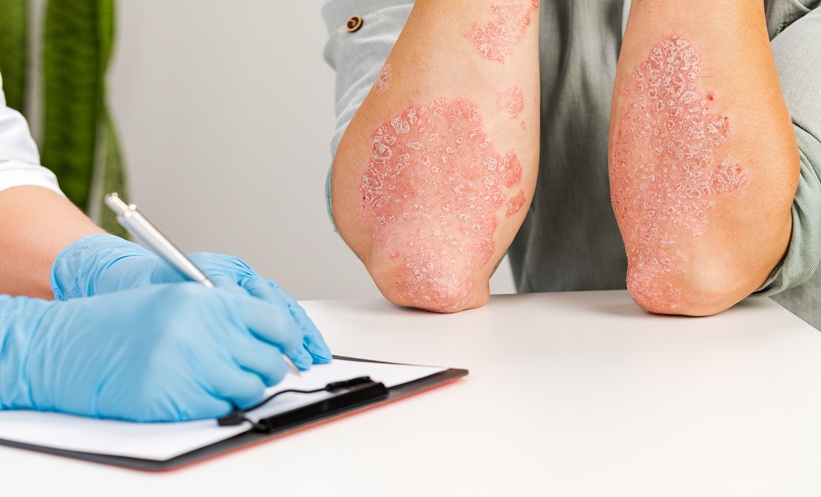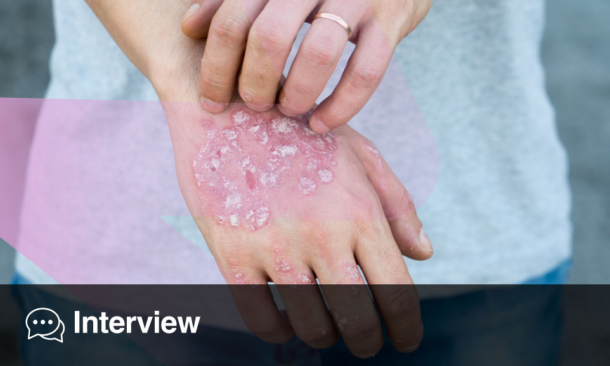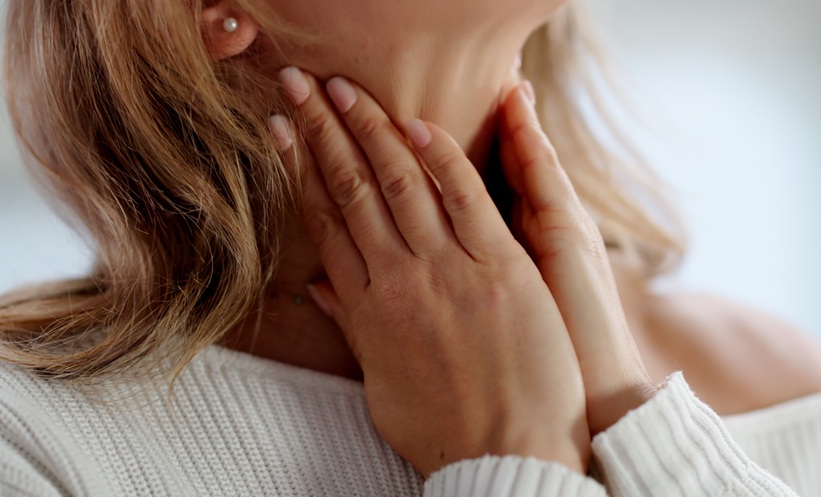
A NEW clinical scoring system may transform care in pemphigus vulgaris, enabling clinicians to predict laryngeal involvement with high accuracy and potentially avoid unnecessary invasive procedures, while identifying patients at risk of serious airway complications.
Pemphigus Vulgaris and Laryngeal Risk
Pemphigus vulgaris is a severe autoimmune blistering disorder that can involve mucosal surfaces, including the larynx, where complications may become life threatening. Laryngoscopy remains the standard diagnostic tool, but its invasive nature highlights the need for predictive approaches in pemphigus vulgaris management.
Methods and Results
This retrospective cohort study included 247 consecutive patients with pemphigus vulgaris evaluated at a tertiary referral centre between January 2015 and December 2022. All patients had confirmed diagnosis and underwent flexible fiber optic laryngoscopy. The primary outcome was deep laryngeal involvement, identified in 19.8% of patients. Participants had a mean age 61.5 years, and 54.7% were female.
Using Firth penalised logistic regression three clinical predictors were identified: hoarseness (odds ratio [OR], 2.50 [95% CI, 1.10-5.69]), dysphagia (OR, 6.22 [95% CI, 2.78-13.92]), and Pemphigus Disease Area Index score with a significant sex interaction (P = .03). A simplified scoring system stratified patients into low-risk (0-1 points; 0% observed involvement), intermediate-risk (2-3 points; 15.3%), and high-risk (≥4 points; 66.7%) categories. The model achieved an area under the receiver operating characteristic curve of 0.78 (95% CI, 0.71-0.84), with a negative predictive value of 92.6%.
Clinical Implications for Pemphigus Vulgaris Care
These findings suggest that a simple clinical score could refine decision making in pemphigus vulgaris by identifying patients at low risk of laryngeal involvement who may safely avoid laryngoscopy. This has important implications for reducing patient burden and optimising resource use in clinical practice. At the same time, high risk patients can be prioritised for early investigation and intervention, potentially preventing airway complications. External validation across diverse populations will be essential before widespread adoption. Future research should assess integration into clinical workflows and evaluate its impact on outcomes, including diagnostic efficiency and patient safety, to establish its role in routine pemphigus vulgaris management.
Reference
Ariel D et al. Predicting Laryngeal Involvement in Pemphigus Vulgaris Using a Clinical Risk Score. JAMA Dermatol. 2026;DOI:10.1001/jamadermatol.2026.0391.
Featured image: Andrey Popov on Adobe Stock
- Author: