PROLONGED limited light exposure in radiology may drive burnout, sleep disruption, and workforce challenges, review finds.
Limited Light Exposure and Radiologists’ Wellbeing
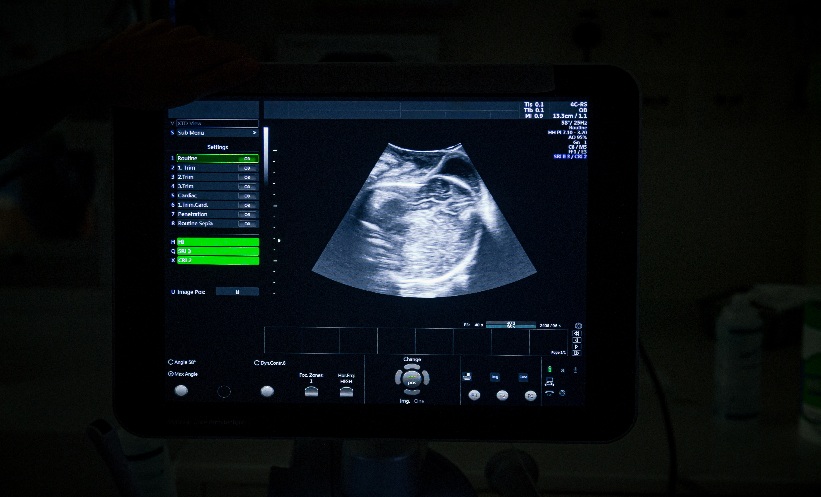
Radiologists spend most of their working hours in dim reading rooms to optimise image interpretation, often with illumination levels between 20 and 40 lux. While these conditions improve contrast and reduce glare, prolonged limited light exposure may disrupt circadian rhythms, impair mood regulation, and contribute to fatigue and depression. Such effects not only threaten individual health but also have wider implications for workforce sustainability in a specialty with existing workforce shortages.
The Scope of the Problem
Natural light is essential for regulating serotonin, supporting sleep–wake cycles, and maintaining cognitive performance. Insufficient exposure in radiology environments can disturb these processes, leading to sleep disruption, anxiety, and burnout.
Surveys indicate that radiologists frequently work more than eight to ten hours in near-dark conditions, with little access to daylight. This has reinforced the stereotype of radiologists as isolated “lone wolves,” a perception that may deter medical trainees and aggravate workforce gaps even as imaging demand rises.
Health Consequences of Prolonged Low-Light Environments
Burnout among radiologists is characterised by emotional exhaustion, depersonalisation, and reduced professional fulfilment.
Chronic exposure to low-light conditions contributes to these symptoms by disrupting circadian regulation and inducing fatigue. Additional risk factors include high workloads, extended reading hours, and limited patient interaction.
European studies report that over three-quarters of radiologists experience at least one dimension of burnout, with subspecialties such as musculoskeletal and breast imaging showing similar prevalence.
Balancing Image Accuracy with Occupational Health
European regulations, including Germany, Switzerland, and the EU Directive, emphasise access to natural light but typically exempt radiology departments. This patchwork approach results in inconsistent enforcement and leaves radiologists exposed to prolonged limited light conditions.
The review calls for updated guidance to balance diagnostic accuracy with occupational health, recommending low-cost interventions like adjustable lighting, daylight break zones, and zoned reading areas. Such measures could enhance mood, reduce burnout, support cognitive function, and improve diagnostic accuracy—critical for maintaining a sustainable radiology workforce.
Reference
Landsmann A et al. Are you always working in the dark? The impact of limited daylight exposure on radiologists’ health. Insights Imaging. 2026;DOI:10.1186/s13244-026-02248-x.
Featured image: Wavemovies on Adobe stock
- Author: