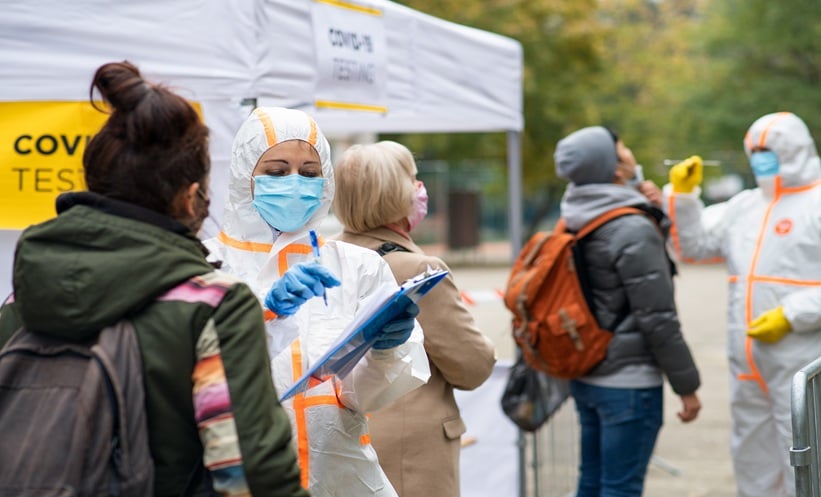
RESPIRATORY viral infections are emerging as a potential driver of lung cancer development, with new findings suggesting that prior severe infections may create a pro tumor environment that accelerates disease progression.
Respiratory Viral Infections and Lung Cancer Risk
Patients previously hospitalized with severe respiratory viral infections, including COVID-19, were found to have a higher subsequent risk of developing lung cancer. The data point to a lasting biological impact of viral pneumonia that extends well beyond acute infection.
Experimental models reinforced these findings, demonstrating that prior viral pneumonia consistently accelerated lung tumor growth across multiple systems. In contrast, vaccination appeared to reduce infection related tumor progression, suggesting a potential protective effect against these long term oncologic consequences.
Immune Reprogramming Drives Tumor Growth
Mechanistically, respiratory viral infections appear to reprogram the lung microenvironment into a state that promotes tumor growth. This shift is characterized by persistent accumulation of tumor associated neutrophils and increased immunosuppression.
At a molecular level, investigators identified sustained chromatin remodeling at key cytokine loci in both immune and structural lung cells. This epigenetic imprinting links prior inflammation to long term tumor promoting signaling, effectively creating a memory of infection that continues to influence disease risk.
This altered immune landscape compromises the body’s natural antitumor defenses, particularly by impairing CD8 positive T cell activity, which plays a central role in tumor surveillance and elimination.
Targeting Post Viral Tumor Progression
Therapeutic strategies aimed at reversing this pro tumor state showed promise in preclinical models. Combined blockade of neutrophil recruitment pathways and programmed death ligand 1 restored T cell function and significantly reduced tumor growth following viral infection.
These findings suggest that targeting immune dysregulation after respiratory viral infections may represent a novel strategy to limit lung cancer progression.
Clinical Implications and Future Direction
The results establish a direct link between respiratory viral infections and lung tumorigenesis, highlighting the need for increased clinical vigilance in patients with a history of severe viral pneumonia.
Enhanced surveillance strategies, alongside preventative approaches such as vaccination, may play a critical role in reducing long term cancer risk. As understanding of infection driven immune reprogramming evolves, it may also open the door to targeted therapies designed to interrupt this pathway before malignancy develops or progresses.
Reference
Qian W et al. Respiratory viral infections prime accelerated lung cancer growth. Cell. 2026. DOI: 10.1016/j.cell.2025.
Featured Image: Halfpoint on Adobe Stock.
- Author :