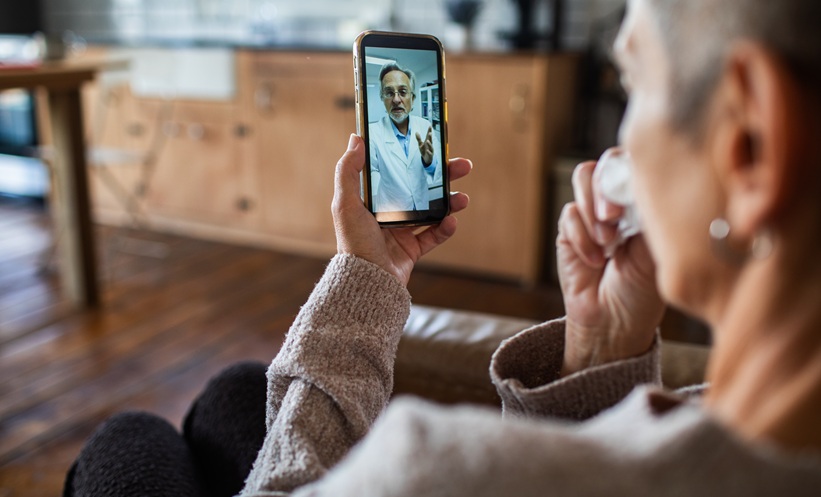
RESEARCHERS found that telehealth was widely viewed as acceptable, feasible, and appropriate for HIV care during the COVID-19 pandemic, with providers supporting its continued use despite concerns around privacy, communication, and technical barriers.
Why Telehealth Matters in HIV Services
The COVID-19 pandemic forced HIV clinics to rapidly replace many in-person visits with remote consultations. Because long-term engagement is central to HIV management, investigators assessed whether telehealth could remain a useful model beyond the emergency phase. The study explored provider experiences at two Chicago-area clinics, including a university hospital and a community site.
Mixed Methods Assessment of Telehealth Delivery
Researchers conducted a convergent mixed methods study using the RE-AIM framework and updated Consolidated Framework for Implementation Research. Providers completed surveys at two time points evaluating acceptability, appropriateness, feasibility, and maintenance of telehealth. Survey 1 included 43 of 83 emailed providers (51.8%), while Survey 2 included 27 of 82 providers (32.9%). Investigators also performed semistructured interviews with a random selection of 10 participants.
Key Findings on Telehealth Use and Provider Attitudes
Telehealth usage was reported at 75% in Survey 1 and declined to 58% in Survey 2. Most respondents agreed telehealth was appropriate, acceptable, and feasible. In Survey 1, more providers at the community site reported at least some potential value in telehealth compared with the university hospital site (100% agree or strongly agree vs 82.3%; P=.04). Providers with more than 10 years of experience were less likely to say telehealth helped them see more patients than those with 10 years or less experience (31.6% vs 70.6%; P=.008). More experienced clinicians were also less likely to feel able to discuss private issues during telehealth visits (57.9% vs 88.3%; P=.03).
Implications for Future HIV Care Models
Interview data showed providers valued convenience, flexibility, and continued patient contact through telehealth, but often preferred in-person visits for physical examinations and laboratory testing. Researchers concluded telehealth may serve as a sustainable adjunct to conventional HIV care if clinics address confidentiality concerns, strengthen technical support, and provide ongoing staff training.
Reference
Galvin S et al. Rapid deployment of telemedicine in HIV care: mixed methods study of providers’ attitudes and perceptions. J Med Internet Res. 2026;28:e75933.
Featured image: Geber86 on Adobe Stock
- Author: