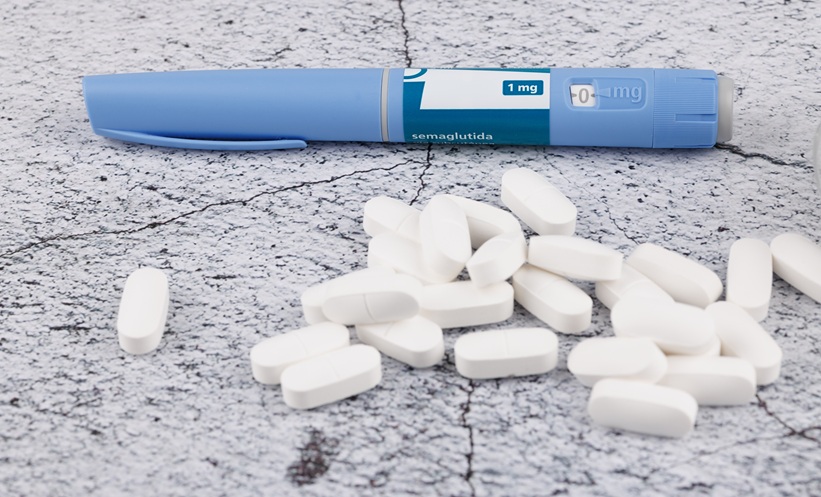
SEMAGLUTIDE significantly improved measures of motivation in patients with major depressive disorder in a 2026 secondary analysis of a randomised clinical trial.1
A Landmark Analysis
The study is the first to analyse the effect of glucagon-like peptide-1 receptor agonists on reward behaviours in people with major depressive disorder, researchers reported.
In the 16-week, double-blind randomised clinical trial, 72 participants with major depressive disorder diagnoses and BMIs of at least 25 were randomised to oral semaglutide or placebo cohorts.
Participants were recruited form the Mood Disorders Psychopharmacology Unit, University Health Network, Toronto, USA, and enrolled between 14th March 2022 and 26th July 2024.
There were 35 participants in the oral semaglutide group and 27 in the placebo, with an approximately equal gender split.
The oral semaglutide cohort was prescribed 14 mg (starting at 4 mg and titrated over four weeks) on top of their usual treatment.
Improved Measures of Motivation
Participants taking oral semaglutide showed patterns of increased willingness to exert physical efforts, with higher expected values of reward.
Researchers reported that computational modelling revealed that the observed behavioural effects of semaglutide resulted from lower levels of effort discounting – people’s tendency to devalue rewards as the amount of required effort increases.2
Sensitivity to effort was significantly reduced by oral semaglutide treatment but the therapy did not alter how participants reacted to odds or uncertainty.
Implications for Neuropsychiatric Treatment
Researchers highlighted that semaglutide’s reduction in perceived cost of effort, and corresponding increase in motivation, holds promising implications for the treatment of neuropsychiatric disorders, particularly those characterised by reward dysfunctions.
Findings nonetheless require larger studies, across bigger and broader sample sizes, they added.
References
1 Gill H et al. Semaglutide and effort-based decision-making in major depressive disorder: a randomised clinical trial. 2026;DOI:10.1001/jamapsychiatry.2026.0594.
2 Ostaszewski P et al. Physical and cognitive effort discounting of hypothetical monetary rewards. Jpn Psychol Res. 2013;55(4):329–337.
Featured image: Shutterly on Adobe Stock
- Author: