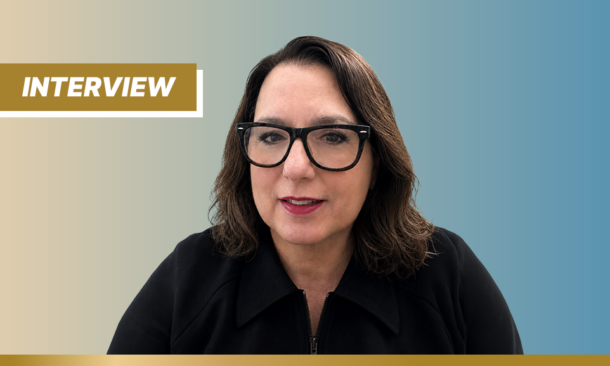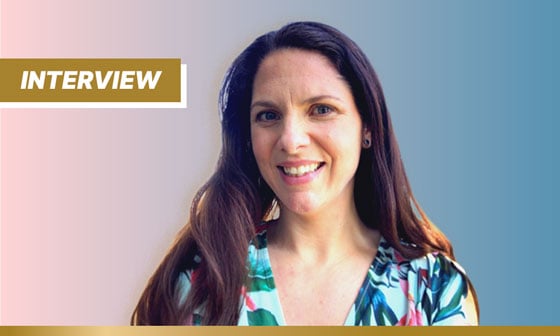
To celebrate World Clinical Trials Day 2026, Muriel O’Byrne, Head of International Regulatory Affairs, Regeneron, shares what she sees as the biggest challenges and opportunities in the landscape today
Interview by Isabel O’Brien
What first drew you to a career in regulatory affairs?
My path into the field was far from linear. Growing up in Tipperary, I was always drawn to understanding how the body worked. In primary school, a teacher demonstrated water flowing through a pig’s heart, sparking a fascination that never left me.
I went on to study biochemistry at University College Cork, followed by a PhD in neuroscience and neuropsychopharmacology at Trinity College Dublin. A year at Oxford’s MRC Anatomical Neuropharmacology Unit gave me a further appreciation of how laboratory science connects to the broader scientific landscape. It was during a postdoc in Manchester Medical School that a colleague first suggested I consider regulatory affairs.
My initial impression was that it sounded quite dull. But the more I explored it, the clearer it became how centrally it sits at the intersection of science, strategy and patient impact. That combination is what ultimately drew me into the field.
Can you walk us through a typical day in your current role?
Honestly, there isn’t one, and that is a large part of what makes the role rewarding.
On any given day, I might move from a clinical trial strategy discussion in one market to a regulatory submission review in another. Working across multiple time zones from Canada to Japan means the rhythm shifts constantly.
Collaboration is also central to the role. I work closely with colleagues across clinical operations, patient safety and commercial teams, continually connecting the dots across the business. With Regeneron’s expansion across Europe, there is also a meaningful leadership dimension, supporting newer teams as they build confidence and helping shape ways of working across regions.
But, ultimately, every conversation, whatever the subject, comes back to getting medicines to patients who need them.
In your view, what is the biggest challenge facing Europe’s clinical trial landscape today?
In many ways, the science is moving faster than the regulatory system around it. Clinical trials are becoming far more complex, particularly in biologics, genetics and precision medicine, and Europe must keep pace if it is to remain a credible destination for clinical development.
The EU Clinical Trials Regulation took a decade to become fully operational and has fallen short of its original goals. The EU Biotech Act is more encouraging, proposing shorter timelines, better coordination and greater acceptance of decentralised trial designs, but the real test will be implementation. The challenge in Europe is no longer a lack of common rules, but inconsistent application across member states.
There’s also a real tension around data sharing under the European Health Data Space. The goals are sound, but if companies face requirements to share raw clinical trial data outside existing transparency systems, that could further discourage trials from being placed in Europe, at a time when conduct of trials in the region is falling.
The science is moving faster than the regulatory system around it
What developments in the evolving clinical trial landscape are you most excited about?
Genetics, artificial intelligence and precision medicine are fundamentally changing the way clinical trials are designed and conducted, with real implications for patients.
For example, the Regeneron Genetics Centre has enabled large-scale genetic data to be paired with detailed disease information. AI and advanced analytics accelerate interpretation of that data, allowing promising targets to be identified more quickly and a clearer understanding of which patients are most likely to benefit from a given therapy.
Gene therapy and gene editing technologies such as CRISPR are equally compelling. The prospect of addressing disease at its root cause, and early in life, rather than simply managing it, is a profound shift. Trials are becoming more adaptive and more scientifically precise as a result, bringing more targeted treatments to patients faster than was previously possible.
What’s the most valuable piece of leadership advice you’ve ever received?
There is no single right way to lead. Different teams and situations call for different approaches, and the skill lies in reading what people need in each moment.
Leading the European business office in Dublin, the approach is as democratic, inclusive and collaborative as possible, because that is what helps a team thrive. When supporting newer teams across Europe, a more structured approach often works better while confidence is still being built.
Authenticity also matters more now than it ever has. The younger generation entering the workforce can recognise immediately when something feels performative. They want leaders who are genuine and transparent, not polished taglines.
DOP: May 2026