SUPPLEMENT-INDUCED liver injury is emerging as a growing global health concern as the wellness industry expands and regulation struggles to keep up, experts warned during a session at the 2026 European Association for the Study of the Liver’s (EASL) annual congress.
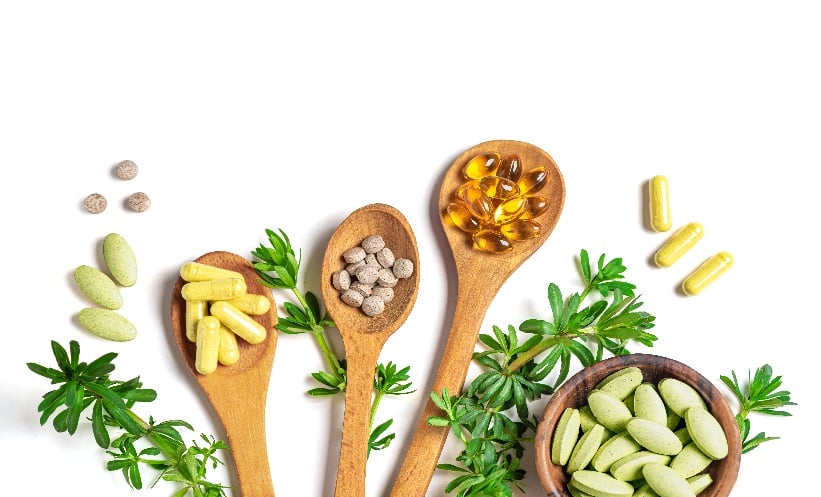
The condition, referred to as herb-induced liver injury (HILI), occurs when herbal medicines, dietary supplements or traditional remedies damage the liver. Speakers showed evidence of cases increasing worldwide alongside rising global consumption of herbal and dietary supplements (HDS), which include vitamins, minerals, protein products and botanical extracts.
Researchers highlighted the scale of the market driving this trend of hepatotoxicity. Around 50% of American adults are reported to use dietary supplements, with more than 100,000 products now available in the United States alone. This concern is exacerbated by the limited regulation of these products combined with the increased availability of multi-ingredient formulations.
A 2015 population study discussed during the session found that more than 18% of acute liver failure cases were linked to HDS, with half of those patients either dying or requiring liver transplantation.
Why Supplement-Induced Hepatotoxicity is Often Missed
Many products marketed as “natural” may contain concentrated extracts, undeclared pharmaceutical ingredients or contaminants that increase hepatotoxic risk.
Presenters described several mechanisms behind supplement-induced liver injury, including oxidative stress, mitochondrial dysfunction and immune activation triggered by reactive metabolites.
Turmeric supplements were highlighted as a key example. While culinary turmeric is usually consumed in small amounts, concentrated supplement formulations can deliver much higher doses. Many modern products also include the piperine, a black pepper extract that can increase turmeric bioavailability by up to 20-fold. Turmeric-related liver injury usually develops within one to four months and is usually self-limiting once the supplement is stopped.
Black cohosh, commonly used for menopausal symptoms, was also discussed as a supplement linked to autoimmune-like hepatitis patterns.
Misinformation and Underreporting Complicate Diagnosis
Diagnosing HILI remains challenging because many patients do not disclose supplement use. One study presented during the session found that one-quarter of patients did not report herbal or supplement use to primary care physicians. Meanwhile, 57% of clinicians had not asked about complementary medicine use, and 46% of patients believed their doctor did not need to know.
The rise of online wellness culture may be worsening the problem. Data cited suggested that one in five Americans trust health influencers more than medical practitioners, while 67% of Millennial and Generation Z TikTok users reported being influenced by nutrition trends, despite only 2% aligning with established public health guidance.
Experts also warned against relying on product labels, with Nélia Hernandez spotlighting a case report of a patient with adverse effects whose supplement contained none of the items reported on the packaging.
Calls For Tighter Regulation
HDS are often regulated as foods rather than medicines, allowing products to reach the market without the level of evidence required for pharmaceuticals.
Although Europe has stricter oversight than some regions, the regulation was described as fragmented. Concerns were also raised about weaker enforcement capacity in parts of Latin America.
Efforts including global case registries and the LiverTox database are helping clinicians identify harmful products, but panellists said stronger surveillance systems and clearer labelling laws are still needed.
The session’s overarching message was clear: natural does not always mean safe.
Reference
Hernandez N et al. EASL/ALEH Symposium: supplement-induced liver injury – when wellness becomes a disease. 2026. Oral presentation. EASL 2026, 27-30 May, 2026.
Featured image: mizina on Adobe Stock
- Author: