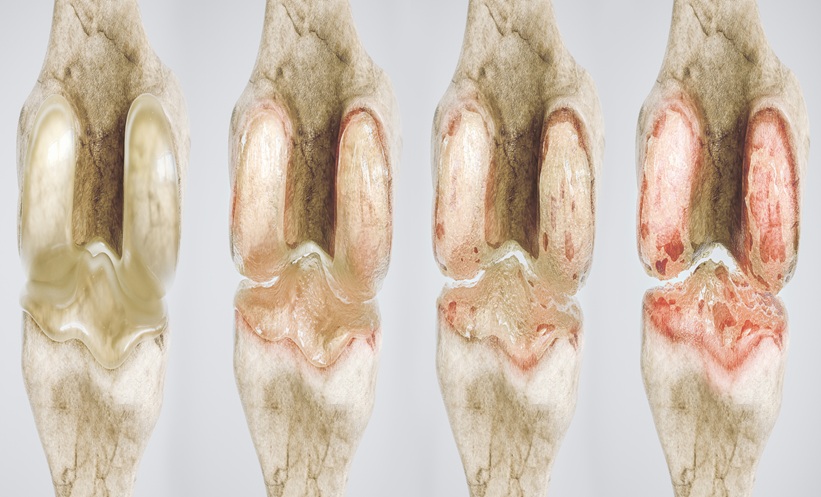
THIS MONTH, Prague, Czechia, welcomed the 26th edition of the World Congress on Osteoporosis, Osteoarthritis and Musculoskeletal Diseases (WCO-IOF-ESCEO). Held from 16th–19th April 2026 at the O2 Universum, this landmark event brought together a global community of clinicians, researchers, and healthcare leaders dedicated to advancing bone, joint, and muscle health. As the most influential meeting in the field, the Congress serves as the premier platform for exchanging cutting-edge scientific knowledge and emerging therapeutic strategies.
Organised under the auspices of the International Osteoporosis Foundation (IOF) and the European Society for Clinical and Economic Aspects of Osteoporosis, Osteoarthritis and Musculoskeletal Diseases (ESCEO), the 2026 Congress arrives at a pivotal moment. With high levels of international participation, the meeting showcases a comprehensive scientific programme spanning basic science, translational research, and real-world clinical practice.
The opening ceremony sets a prestigious tone, recognising scientific excellence while addressing broader global challenges. High-level sessions explore WHO’s bone health agenda and the evolving role of academic publishing, highlighting the interdisciplinary nature of the field. This integration underscores the urgent need to align scientific discovery with global health policy and patient education.
A defining strength of WCO-IOF-ESCEO remains its breadth. The 2026 programme covers the full spectrum of musculoskeletal disorders, from osteoporosis and osteoarthritis to frailty and sarcopenia, with a renewed emphasis on prevention, early diagnosis, and personalised treatment. Through plenary sessions and specialised symposia, the Congress facilitates both high-level knowledge exchange and practical clinical engagement.
International collaboration remains the cornerstone of the meeting. By bridging diverse healthcare systems and research environments, WCO-IOF-ESCEO fosters a nuanced understanding of shared challenges like ageing populations and increasing disease burdens. Beyond its scientific contributions, the Congress reflects the ongoing transformation of medicine through advances in genetics and therapeutic innovation, ultimately aiming to bridge the translational gap to provide accessible, patient-centred care.
WCO-IOF-ESCEO 2026 represents more than a continuation of tradition; it is a forward-looking forum addressing the modern needs of the field. By reaffirming its role as the key meeting point for musculoskeletal health, the Prague Congress continues to shape the future
of bone and joint care worldwide.
Early FLS Intervention Cuts Secondary Fracture Risk After Wrist Fracture
RESEARCH presented at WCO-IOF-ESCEO 2026 has highlighted the potential of early Fracture Liaison Service (FLS) intervention following distal radius fracture (DRF) to reduce the risk of subsequent fragility fractures, including hip fractures.1
DRF is often the first clinical sign of underlying osteoporosis and is associated with a substantially increased risk of future fractures. Previous evidence suggests that the risk of hip fracture may rise by up to 3.5-fold after a DRF, particularly within the first 2 years following injury. Despite existing guidance from the National Institute for Health and Care Excellence (NICE) and the Royal Osteoporosis Society, many patients still fail to receive timely bone health assessment and preventative treatment.
In this retrospective study, researchers evaluated outcomes in adults aged 50 years and older presenting with an index DRF at Southend University Hospital, UK, between January 2018–December 2024. A total of 612 eligible patients were included, with a mean age of 72 years and women accounting for 78% of the cohort.
Patients were divided into two groups based on FLS involvement. The FLS group completed a structured pathway involving assessment within 90 days, dual-energy X-ray absorptiometry (DXA) scanning, initiation of anti-osteoporosis therapy, and falls assessment.
The non-FLS group either did not receive referral or did not complete the pathway.
Over a 24-month follow-up period, secondary fragility fractures occurred in 15.6% of patients in the non-FLS group compared with 8.9% of those receiving full FLS management. Hip fractures specifically were reported in 5.1% of non-FLS patients versus 2.4% in the FLS group.
Further statistical analysis demonstrated that FLS-led management was associated with a 34% lower hazard of secondary fracture after adjustment for factors including age, sex, comorbidities, and prior fractures (adjusted hazard ratio: 0.66; 95% CI: 0.48–0.91; p=0.01).
The authors concluded that DRF represents a critical opportunity for early secondary prevention. They emphasised that comprehensive FLS pathways may significantly reduce the burden of future fractures and support improved long-term bone health outcomes.
Late DXA Referral May Limit Osteoporosis Benefit in Men
MEN undergoing first dual-energy X-ray absorptiometry (DXA) assessment for osteoporosis had substantially poorer survival than women, despite presenting with less severe skeletal disease, according to data presented at WCO-IOF-ESCEO 2026.2 Investigators reported that only 73% of men survived 5 years after their first DXA scan, compared with 87% of women, raising concerns that men are being referred too late to benefit fully from osteoporosis treatment.
Osteoporosis in men remains under-recognised and underdiagnosed, despite increasing evidence of significant fracture-related morbidity and mortality. To examine whether referral patterns may delay intervention opportunities in men, researchers analysed first routine-care DXA scans recorded in the Danish NOCTE cohort between 2010–2022.
The study identified 72,818 men and 172,622 women undergoing a first DXA scan and matched them with controls from the background population by age, sex, and region. Investigators assessed mortality rates, standardised mortality ratios, and 5- and 10-year survival outcomes following DXA referral.
Mean age at index scan was approximately 72 years for men and 70 years for women. Women more frequently had osteoporosis-range T-scores below –2.5 (33.4% versus 16.5%) and slightly higher rates of major osteoporotic fracture in the year before assessment.
Despite this, men experienced markedly worse outcomes. Five-year survival following DXA was 73% in men compared with 87% in women, while 10-year survival was 52% versus 71%, respectively. Mortality rates were also substantially elevated in men relative to matched controls, with a standardised mortality ratio increase of 56%, compared with 17% in women.
The findings suggest that men may only be referred for osteoporosis evaluation after substantial frailty, comorbidity burden, or advanced disease progression has already developed. In contrast, women appear more likely to undergo assessment earlier in the disease course, despite presenting with lower overall mortality risk.
The authors concluded that current osteoporosis referral pathways continue to inadequately capture at-risk men and may limit the opportunity for timely intervention during the period when antiosteoporotic therapy is most likely to provide meaningful fracture prevention benefit.
Bisphosphonates Associated with Lower Mortality After Fracture
PEOPLE with multiple long-term health conditions may have better survival outcomes after fractures when treated with bisphosphonates rather than denosumab, according to a large real-world Australian study presented at WCO-IOF-ESCEO 2026.3
Multimorbidity is commonly defined as having two or more chronic health conditions. It is increasingly common in older adults; however, these patients are often underrepresented in RCTs.
Researchers analysed health data from 117,031 adults aged ≥50 years in New South Wales, Australia, who experienced fractures requiring hospital or emergency care between 2010–2018. All participants were treatment-naïve for osteoporosis therapies before their fracture.
The study compared two commonly used antiresorptive treatments: bisphosphonates (alendronate, risedronate, and zoledronic acid) and denosumab. Of the eligible participants, 6,036 initiated bisphosphonates, while 2,611 initiated denosumab within 12 months of fracture. Investigators used a target trial emulation approach designed to mimic the conditions of a randomised trial using real-world data.
The mean age of eligible participants was 75.7 years. Women receiving bisphosphonates had a 29% lower risk of all-cause mortality compared with denosumab users, whereas men showed a 21% lower mortality risk during the follow-up of up to 4 years.
The mortality benefit was seen consistently across different multimorbidity clusters, including cardiovascular, cardiometabolic, geriatric, and mental health groups. Researchers found no meaningful difference in refracture risk between the two treatment approaches.
The analysis excluded people with previous osteoporosis treatment, prior fractures, metastatic cancer, or other metabolic bone disorders in an effort to reduce confounding factors.
However, as an observational study using administrative health data, the findings cannot prove that bisphosphonates directly caused lower mortality. The researchers noted that further investigation is needed to determine whether these therapies may provide additional non-skeletal benefits beyond fracture prevention.
The study suggests that bisphosphonates may remain an important treatment option for older adults with complex health needs following fractures, while future research could help clarify the biological mechanisms underlying the observed survival differences.
Maternal Diabetes Linked to Childhood Fracture Risk
MATERNAL diabetes during pregnancy was associated with differing risks of long-bone fractures in offspring during early childhood, according to a large Australian population-based study presented at WCO-IOF-ESCEO 2026. Researchers found that children born to mothers with Type 1 diabetes had a higher fracture risk, while gestational diabetes was linked to a lower risk of fracture during the first 9 years of life.4
The study explored whether maternal diabetes exposure in utero may influence skeletal development and subsequent fracture susceptibility in children. Diabetes during pregnancy has previously been associated with altered fetal growth and bone development, but evidence regarding long-term fracture outcomes in offspring remains limited.
Researchers conducted a state-wide data linkage study using administrative health records from Victoria, Australia, including 279,067 singleton mother–offspring pairs between 2012–2015. Maternal diabetes status was identified using ICD-10-AM codes from the Victorian Perinatal Data Collection and categorised as gestational diabetes (GD), Type 1 diabetes (T1D), or Type 2 diabetes (T2D). Offspring long-bone fractures presenting to emergency departments between 2013–2021 were analysed using Cox proportional hazards regression models adjusted for offspring sex, socioeconomic disadvantage, and maternal smoking during pregnancy.
Among the cohort, 22,153 mothers (8.0%) had GD, 998 (0.4%) had T1D, and 885 (0.3%) had T2D. Overall, 15,275 offspring (5.7%) experienced at least one incident long-bone fracture during follow-up. Compared with offspring of mothers without diabetes, children exposed to GD had a lower fracture hazard (hazard ratio [HR]: 0.90; 95% CI: 0.84–0.96). In contrast, offspring exposed to maternal T1D had a significantly higher fracture hazard (HR: 1.28; 95% CI: 1.00–1.64). No significant association was identified for T2D exposure (HR: 0.92; 95% CI: 0.68–1.25).
The authors suggested that the lower fracture risk observed with gestational diabetes may reflect behavioural differences rather than direct skeletal effects. Meanwhile, the increased fracture risk associated with maternal T1D may indicate altered fetal bone development or other metabolic influences requiring further investigation.
The findings highlight the potential importance of early monitoring and targeted injury-prevention strategies for children exposed to maternal T1D during pregnancy. However, the observational design means causality cannot be confirmed, and additional research is needed to clarify the biological mechanisms underlying these associations.
European Cohort Reveals Changing Patterns in Renal Osteodystrophy
A LARGE European bone biopsy analysis, presented at WCO-IOF-ESCEO 2026, suggests renal osteodystrophy may present differently than previously believed, with normal and high bone turnover patterns more common than low turnover disease across chronic kidney disease (CKD) populations.5
Renal osteodystrophy remains a major complication of CKD, yet understanding of its epidemiology has become limited because bone biopsy use has declined in both research and clinical practice. Earlier studies suggested low turnover bone disease had become dominant in CKD. Researchers therefore reassessed contemporary bone pathology patterns using a multinational biopsy database.
This multicentre observational analysis included bone biopsies collected between 1998–2025 from five countries. Patients represented the spectrum of kidney dysfunction, including predialysis CKD Stage 4–5, dialysis-dependent disease, and kidney transplant recipients. Investigators analysed turnover, mineralisation, and bone volume using thermostatic mixing valve classification criteria. Additional diagnostic reclassification applied Malluche and Recker cut-offs.
Of 851 biopsies identified, 155 were excluded because of duplicate records, incomplete registration, or procedures performed for clinical indications. The final cohort included 696 research-indication biopsies, comprising 135 patients pre-dialysis, 335 patients on dialysis, and 225 transplant recipients.
Median age was 57 years, 32% were female, and 19% had diabetes.
According to original thermostatic mixing valve reports, normal bone turnover was the most common presentation across all CKD groups. However, among tetracycline-labelled biopsies (n=341), additional definitions produced substantially different classifications. Using Malluche criteria, most patients who were pre-dialysis or on dialysis were classified as having high bone turnover. Recker criteria classified all patients as either high or normal turnover, with no low turnover category predominating. Bone mineralisation defects were also reported in a notable proportion of both patients who were pre-dialysis and transplant recipients. Anti-osteoporosis medication use remained uncommon, reported in 0% of patients pre-dialysis, 2% of patients on dialysis, and 6% of transplant recipients.
The findings challenge earlier assumptions that low turnover bone disease predominates in CKD. Researchers highlighted substantial variability depending on classification thresholds, emphasising the need for harmonised diagnostic criteria in renal osteodystrophy research and practice. Further investigation into abnormal mineralisation patterns and their clinical implications is also warranted.
Bone Strain Index Improved 10-Year Fracture Prediction
A NEW prospective study presented at WCO-IOF-ESCEO 2026 showed that the Bone Strain Index (BSI), an advanced dual-energy X-ray absorptiometry (DXA)-derived measure of bone mechanical strain, independently predicted fragility fractures in older females over 5-year and 10-year follow-up periods, beyond conventional bone mineral density (BMD) and FRAX® (WHO, Geneva, Switzerland) assessment.6
Fragility fractures remain a major cause of morbidity in ageing populations, particularly among postmenopausal females. Although areal BMD and FRAX® are widely used to estimate fracture risk, these tools do not fully capture bone strength and biomechanical integrity. The BSI was developed to address this gap by applying finite element analysis to DXA imaging, quantifying internal mechanical strain within bone tissue.
Researchers conducted a large prospective cohort study involving 3,338 community-dwelling older females aged 64–77 years. Baseline DXA scans were used to calculate BSI at the lumbar spine, total hip, and femoral neck. Incident fragility fractures and major osteoporotic fractures were radiographically validated during both 5-year and 10-year follow-up periods. Statistical analyses included receiver operating characteristic curves, Youden index-derived cut-offs, and Cox proportional-hazards models adjusted for age, areal BMD, and FRAX® score.
During the 10-year follow-up, 803 females (24.1%) sustained at least one fragility fracture, including 525 major osteoporotic fractures. Higher BSI values were significantly associated with increased fracture risk at both 5 and 10 years, independently of age, BMD, and FRAX®. Total hip BSI demonstrated the strongest predictive performance, achieving an area under the curve of 0.63 at both timepoints, outperforming lumbar spine BSI (area under the curve: 0.58).
Each 1-SD increase in total hip BSI was associated with significantly higher fracture risk at 5 years (hazard ratio [HR]: 1.42; 95% CI: 1.32–1.53) and 10 years (HR: 1.41; 95% CI: 1.34–1.49). Importantly, these associations remained statistically significant after adjustment for FRAX® score (HR: 1.24; 95% CI: 1.14–1.35).
The findings suggest that BSI could enhance long-term fracture risk stratification in older females and provide clinically meaningful information beyond standard osteoporosis assessment tools. Researchers noted that total hip BSI appeared particularly valuable for identifying females at elevated fracture risk who may otherwise be underestimated using BMD or FRAX® alone. Further research is needed to determine how BSI-guided assessment may influence osteoporosis prevention strategies and clinical outcomes across broader patient populations.
AI-Based Bone Fragility Index Predicts Future Fracture Risk
A NEW study presented at WCO-IOF-ESCEO 2026 demonstrated that an AI-based bone fragility index (BFI) derived from routine dual-energy X-ray absorptiometry (DXA) imaging predicted incident major osteoporotic fractures (MOF) and identified patients at elevated fracture risk years before clinical events occurred.7
Researchers evaluated the performance of the TBS Reveal (Medimaps Group, Geneva, Switzerland) BFI, an AI-driven assessment tool designed to improve fracture prediction beyond conventional bone mineral density measurements. While bone mineral density forms the basis of most osteoporosis assessments, it does not fully account for bone microarchitecture, which contributes significantly to skeletal fragility and fracture susceptibility.
The retrospective study included 338 female participants aged 68.3±9.4 years who underwent baseline X-ray imaging with prospective follow-up for fracture outcomes. Investigators applied Bayesian Weibull survival models to evaluate the relationship between BFI category and future MOF incidence over time. Participants were stratified into high and very high BFI groups based on baseline imaging findings.
During a median follow-up period of 7.7 years (95% CI: 6.8–8.5), 157 participants experienced an incident MOF. The AI-based BFI showed a strong association with fracture risk, particularly during the first 5 years after baseline imaging, compared with all other participant groups. Females categorised as high BFI demonstrated a 10.3% higher 5-year fracture probability (95% CI: 1.2–19.5), increasing to 12.9% at 10 years (95% CI: 1.5–23.6). The very high BFI group showed an even more pronounced effect, with a 19.2% greater fracture probability at 5 years (95% CI: 6.3–31.8) and a 21.0% higher probability at 10 years (95% CI: 7.9–31.2).
Survival analyses revealed clearly separated fracture-free survival curves between risk categories, supporting the ability of the AI-based BFI to distinguish short- and long-term fracture risk trajectories from a single baseline X-ray assessment.
The findings suggest that AI-enhanced skeletal analysis could strengthen osteoporosis risk stratification and improve early identification of females at high fracture risk who may benefit from targeted prevention strategies or closer monitoring.
The study was observational in design, and further prospective validation is needed to determine how the AI-based BFI performs across broader populations and clinical settings. Additional research is also required to establish how integration of AI-derived fracture prediction tools may influence long-term clinical outcomes and osteoporosis management pathways.
REMS Technology Detects Bone Changes During Pregnancy
RESEARCH presented at WCO-IOF-ESCEO 2026 has shown that pregnancy may be associated with measurable declines in bone density and bone microarchitectural integrity, potentially increasing the risk of future fragility fractures.8
During pregnancy, calcium requirements rise substantially to support fetal skeletal development. This increased demand can trigger enhanced maternal bone resorption, with previous studies suggesting bone mineral density reductions of up to 9% during pregnancy. However, conventional imaging methods such as dual-energy X-ray absorptiometry are not routinely recommended during pregnancy due to exposure to ionising radiation.
To address this challenge, investigators evaluated the use of radiofrequency echographic multi-spectrometry (REMS), a radiation-free ultrasound-based technology capable of assessing both bone density and bone quality.
The longitudinal study included 46 White pregnant women assessed during the first trimester and re-evaluated during the third trimester using REMS scans of the femoral neck. Participants ranged in age from 26–49 years and had BMIs between 16.59–29.76 kg/m².
Researchers assessed changes in bone quantity using REMS-derived T-scores and evaluated bone quality through the Fragility Score (FS), which estimates the probability of imminent fragility hip fractures over a 5-year period. Patients were categorised into seven escalating fracture-risk classes, ranging from R1–R7.
Analysis demonstrated significant deterioration in both bone-related parameters over the course of pregnancy. Mean T-scores declined from −1.1±0.7 during the first trimester to −1.3±0.7 in the third trimester (p<0.0001), while mean FS increased from 41.70±5.68 to 46.39±8.33 (p=0.0006). Notably, more than half of participants (55%) transitioned into a higher fracture-risk category by late pregnancy.
The authors concluded that pregnancy may negatively impact both bone density and bone microarchitecture, reinforcing the importance of monitoring maternal bone health. They highlighted REMS as a promising non-invasive tool for identifying women at increased fracture risk during pregnancy while avoiding radiation exposure.
AI Spine Scans Could Expand Osteoporosis Screening
ROUTINE spine X-rays analysed using AI could help identify people at high risk of osteoporosis-related fractures, even when dual-energy X-ray absorptiometry (DXA) scans are unavailable, according to a study presented at WCO-IOF-ESCEO 2026.9
Osteoporosis is a condition in which bones become weak and more likely to fracture, particularly among older adults and postmenopausal women. Bone mineral density (BMD) is typically measured using DXA, but access to these scans can be limited in some healthcare settings.
Researchers retrospectively analysed adults aged ≥20 years who underwent both lumbar DXA scanning and routine spine radiographs within a 6-month period at a tertiary medical centre in Taiwan between 2014–2024. An AI tool, DeepXray™ Spina (Alpha Intelligence Manifolds, Inc., New Taipei City, Taiwan), was used to estimate lumbar BMD from standard radiographs, including lumbosacral and kidney-ureter-bladder imaging.
The study included 540 participants, of whom 73.9% were women, reflecting the well-established higher prevalence of osteoporosis among females, particularly after menopause. Mean participant age was 57 years, and mean follow-up was 6.4 years. AI-derived BMD measurements showed strong agreement with DXA-derived values, with a correlation coefficient of 0.943 and an intraclass correlation coefficient of 0.934. AI-derived T-scores achieved 90% diagnostic accuracy for osteoporosis detection.
The AI system also demonstrated comparable fracture prediction performance to DXA for vertebral and hip fractures over long-term follow-up. During the study period, 57 vertebral, 13 hip, and 100 all-site fractures were recorded.
AI significantly outperformed DXA for predicting all-site fractures overall.
Lower AI-derived BMD was associated with increased fracture risk, with every 0.1 g/cm2 decrease linked to a 74% higher odds of vertebral fracture, suggesting routine radiographs could double as osteoporosis screening tools.
The researchers noted that the study was retrospective and conducted at a single centre, which may limit generalisability. However, the findings suggest AI-assisted analysis of existing radiographs could support opportunistic population-level osteoporosis screening, particularly in regions where DXA access is limited.
Further prospective studies could help determine how AI-based radiograph analysis might be integrated into routine osteoporosis assessment pathways.
REMS Technology May Improve Fracture Risk Assessment
A GROWING body of evidence, presented at WCO-IOF-ESCEO 2026, suggests that radiofrequency echographic multi-spectrometry (REMS) technology could improve fracture risk assessment in patients with osteoporosis and patients with chronic kidney disease (CKD), particularly those who are difficult to evaluate using conventional bone imaging techniques.10
Patients with CKD frequently develop CKD–mineral and bone disorder, a complication associated with impaired bone quality, skeletal fragility, and increased fracture risk. Assessing bone health in these patients remains challenging because standard diagnostic tools, including dual-energy X-ray absorptiometry (DXA), primarily measure bone mineral density and provide limited information regarding bone microarchitecture. In addition, DXA interpretation may be complicated by vascular calcifications and degenerative changes, which are common in older adults and nephrology populations.
The study reviewed emerging clinical evidence evaluating REMS technology in osteoporosis and CKD-related bone disorders. REMS is a radiation-free ultrasound-based technique that analyses raw radiofrequency ultrasound signals to assess bone status and fragility. Comparative findings against DXA focused on diagnostic accuracy, precision, and feasibility in complex patient populations.
Available evidence suggested that REMS may overcome several recognised limitations of DXA imaging. Unlike conventional bone density assessment, REMS appeared less affected by aortic calcifications and degenerative spinal disease, both of which can artificially elevate DXA measurements and reduce diagnostic reliability. REMS-derived parameters also demonstrated strong associations with fracture risk, indicating potential clinical utility for identifying patients at increased risk of skeletal complications.
Importantly, the technology may offer practical advantages in nephrology settings where repeated imaging and long-term monitoring are often required. Because REMS does not involve ionising radiation, it may support more frequent assessment of bone fragility in high-risk patients with CKD–mineral and bone disorder.
Practical case examples included in the review illustrated how REMS could assist clinicians in tailoring monitoring strategies and therapeutic decision-making for patients with complex bone disorders. The findings also highlighted the potential value of integrating REMS into multidisciplinary care pathways involving geriatrics, endocrinology, orthopaedics, and nephrology.
While the evidence remains preliminary and largely based on comparative and observational data, the findings suggest that REMS could become a valuable adjunctive tool for fracture prevention in vulnerable CKD populations. Further prospective studies are needed to clarify how REMS-guided management may influence long-term fracture outcomes and patient care.