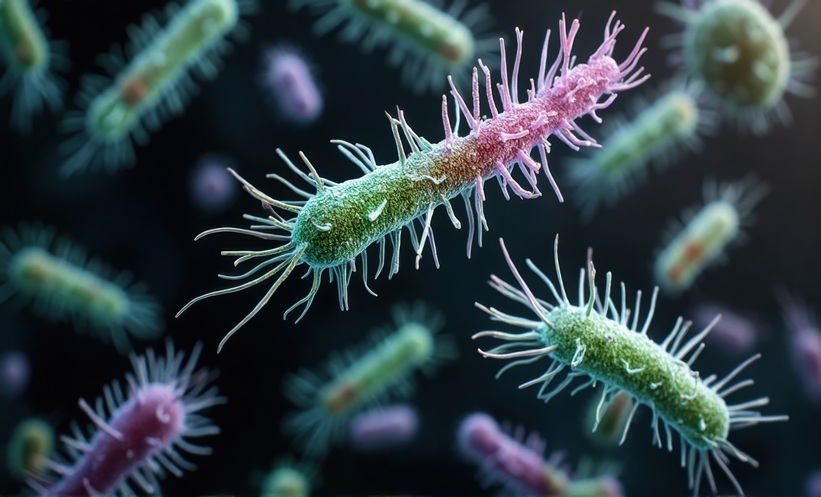
The largest study of its kind to date has identified hundreds of gut microbial species associated with dietary habits, metabolic health, and disease risk, offering new insights into the relationship between nutrition and the human microbiome.
The analysis included more than 34,000 participants from the UK and USA and combined metagenomic sequencing data with dietary, anthropometric, and health information. Researchers sought to better understand how specific gut microorganisms are associated with markers of health and disease across diverse populations.
Mapping the Healthy Gut Microbiome
The investigators identified both known and previously uncultured microbial species that were significantly associated with dietary patterns and cardiometabolic risk factors.
Using these findings, the team developed the ZOE Microbiome Health Ranking 2025, a system that categorises microbial species according to how favourably or unfavourably they are associated with health markers.
Species linked to healthier dietary patterns and favourable metabolic profiles were ranked positively, while those associated with poorer health outcomes received lower rankings.
Strong Links to Body Weight and Disease
The ranking system demonstrated robust associations with body mass index (BMI) and disease status when tested in more than 7,800 independent public microbiome samples.
Individuals with higher abundances of favourably ranked microbes generally exhibited healthier metabolic profiles, whereas unfavourably ranked species were more common among those with obesity and cardiometabolic disease risk factors.
The findings provide further evidence that the gut microbiome reflects important aspects of overall health and may help explain some of the biological effects of diet.
Dietary Interventions Shift Microbial Profiles
To explore whether dietary changes could alter microbiome composition, researchers analysed data from 746 participants enrolled in two dietary intervention trials.
Over time, participants experienced increases in the abundance of favourably ranked microbial species and reductions in unfavourably ranked microbes.
These findings suggest that dietary modification may influence the composition of the gut microbiome in ways that are associated with improved health markers.
Foundation for Future Research
The authors emphasised that the study identifies associations rather than causation. While the results strongly support links between diet, the microbiome, and human health, further prospective studies and clinical trials will be needed to determine whether specific microbial species directly influence disease risk.
Nevertheless, the researchers believe the ranking system provides a valuable resource for future microbiome investigations and could help prioritise microbial targets for mechanistic and intervention studies.
As interest in personalised nutrition and microbiome-based therapies continues to grow, the findings offer one of the most comprehensive overviews to date of how gut microorganisms may contribute to human health.
Reference
Asnicar F et al. Gut micro-organisms associated with health, nutrition and dietary interventions. Nature. 2026;650:450-8.