OPTHALMIC imaging features linked to cardiovascular and neurodegenerative disease phenotypes, following an integrated multi-omics analysis combining artificial intelligence (AI)-derived imaging embeddings with physiological, radiomic, metabolomic and genomic datasets.
AI-Derived Retinal Features Reveal Links to Systemic Disease Risk
A new research article leveraged UK BioBank data to investigate whether retinal features extracted from optical coherence tomography (OCT) and colour fundus photography (CFP) could serve as high-dimensional biomarkers of systemic disease. Findings indicated that AI-derived retinal representations were associated with both prevalent and incident cardiometabolic and neurodegenerative outcomes, including ischaemic heart disease, cerebrovascular disease, heart failure, Parkinson’s disease and dementia.
Retinal imaging was processed using a deep-learning based adversarial autoencoder framework, generating 256-dimensional latent embeddings from OCT and CFP data. These embeddings were evaluated against longitudinal disease outcome and multi-layered biological datasets.
Retinal Signatures Reflect Vascular, Metabolic and Neurological Changes
Saliency mapping identified cardiovascular associates were predominantly localised to the choroid and retinal vascular network, while neurodegenerative associations were more strongly linked to the optic nerve head and neurosensory retinal layers.
Metabolomic analysis also found links between retinal features and lipid metabolism, suggesting that changes seen in the eye may reflect shared metabolic processes that contribute to both cardiovascular disease and neurodegeneration.
In addition, analysis of brain imaging data showed that retinal features were associated with differences in brain structure, including regional brain volumes and measures of white matter organisation.
Retinal Phenotyping May Support Future Disease Stratification
These findings support the concept that retinal imaging-derived representations capture multi-system biological variation across vascular, neurological and metabolic domains. The integration of AI-based imaging phenotyping with genomic and metabolomic data provides a framework for distinguishing imaging–disease associations.
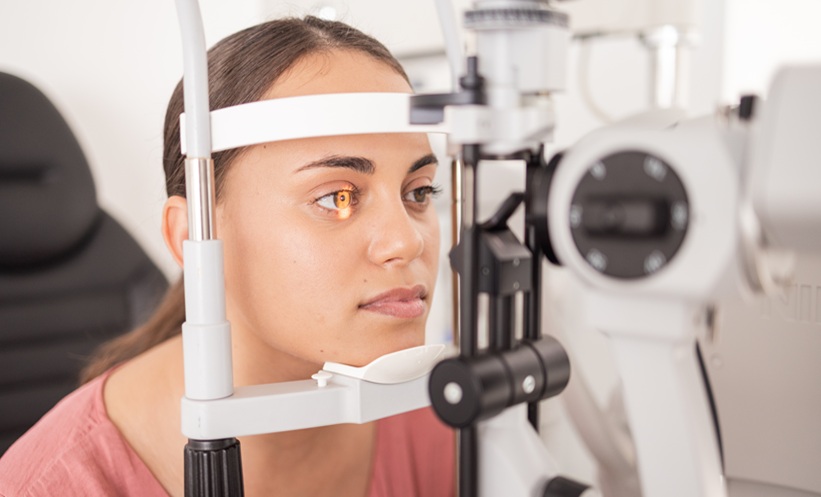
The researcher said: “Our work shows that the eye can provide a remarkably broad picture of whole-body health. Our hope is that with further research, your routine eye test could one day serve to assess your general health as well as testing your vision. The eye imaging devices used in our study are available on almost every high street – so these technologies have potential to become highly accessible avenues to screen for and help prevent general health problems.”
While not positioned as a clinical diagnostic tool yet, the approach highlights potential applications in risk identification, disease subtyping and mechanistic discovery within cardiovascular and neurodegenerative research. Future work is required to validate generalisability across diverse populations and to compare alternative deep learning architectures.
Reference
Julian TH et al.; UK Biobank Eye and Vision Consortium. Multi-omic analysis of deep learning-derived phenotypes links ophthalmic imaging to cardiovascular and neurological traits. Nat Cardiovasc Res. 2026;5(6):541-54.
Featured Image: Alexis S/peopleimages.com on Adobe Stock
- Author: