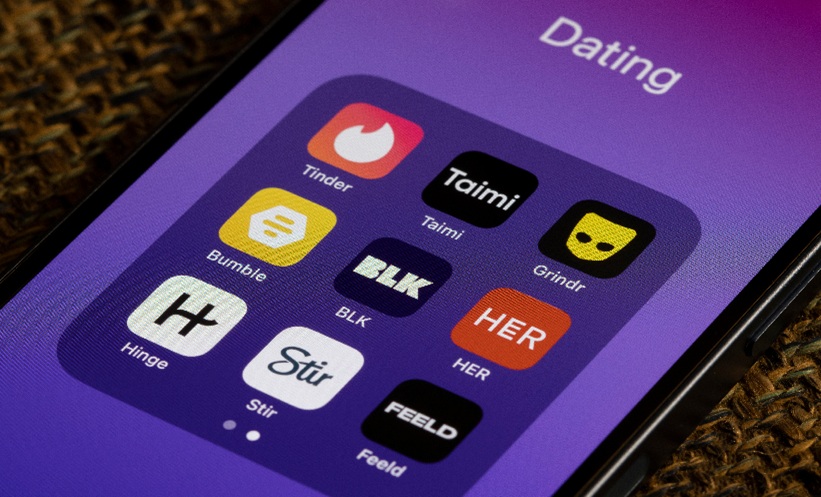
DATING APP users in France fall into distinct behavioural profiles rather than forming a single, homogeneous group, according to a cross-sectional survey that examined sexual behaviours, prevention practices and sexually transmitted infection (STI) screening. The findings highlight that exposure, prevention practices and screening do not always align, supporting the need for sexual health strategies beyond exposure-based assumptions.
STIs are infections primarily transmitted through sexual contact and remain a significant public health challenge as incidence continues to rise worldwide. While dating applications have transformed how people meet sexual partners and build sexual networks, data describing French users have been limited. The study sought to characterise sexual behaviours among dating app users in France and identify behavioural patterns that could inform prevention efforts.
Behavioural Profiles Highlight Different STI Prevention Needs
Researchers conducted an anonymous questionnaire between June and August 2024, distributing it through dating applications, social media and community outreach. Adults who had used a dating app within the previous 12 months were eligible to participate.
In total, 230 people completed the survey, including 44.3% men, 53.0% women and 2.6% non-binary participants. Most respondents were aged 18 to 30 years.
Higher-exposure patterns, characterised by more frequent app use, higher partner turnover and more frequent STI screening, were more common among men who have sex with men (MSM). Among this group, 71.4% reported STI screening within the previous six months.
Across the study population, condom use varied by sexual practice. More than 60% of participants said they never used protection during oral sex.
Using multiple correspondence analysis, the researchers identified three distinct behavioural profiles. These represented a spectrum ranging from a lower-exposure profile, largely comprising men who have sex with women (MSW), to a higher-exposure profile predominantly involving MSM. An intermediate profile primarily comprised women who have sex with men (WSM).
Findings Challenge Exposure-Based Assumptions
The results indicate that dating app users differ substantially in their sexual behaviours, prevention practices and screening. Rather than reflecting a single pattern of risk, the identified profiles suggest exposure, preventive behaviours and participation in STI screening do not always align.
Although the cross-sectional design describes behavioural patterns at one point in time and cannot establish causal relationships, the findings highlight the need for sexual health strategies tailored to different behavioural profiles. The researchers conclude that prevention strategies should extend beyond exposure-based assumptions to better address the varied needs of dating app users in France.
Reference
Grigolet A et al. Sexual behaviours of dating app users: a descriptive study in French population. Sex Transm Dis. 2026;DOI:10.1097/OLQ.0000000000002377.
Featured image: Tada Images on Adobe Stock
- Author: