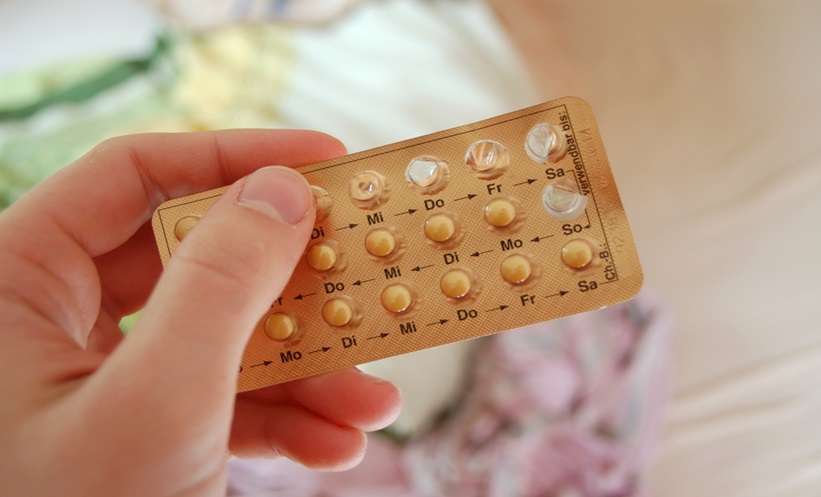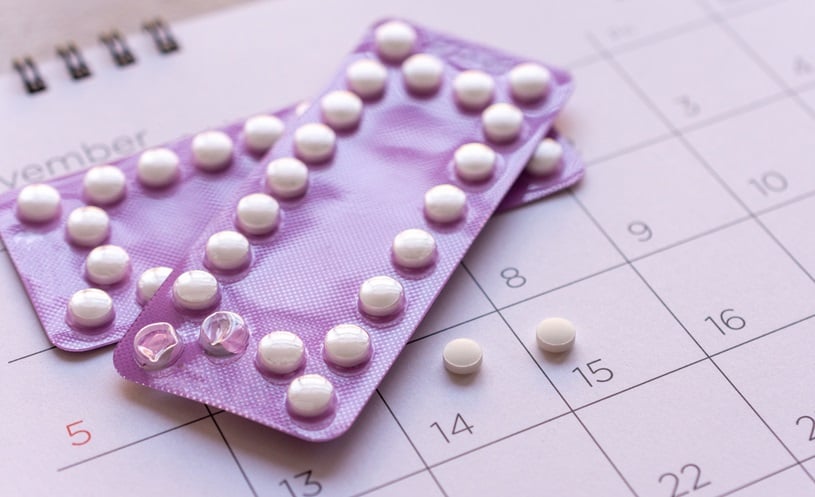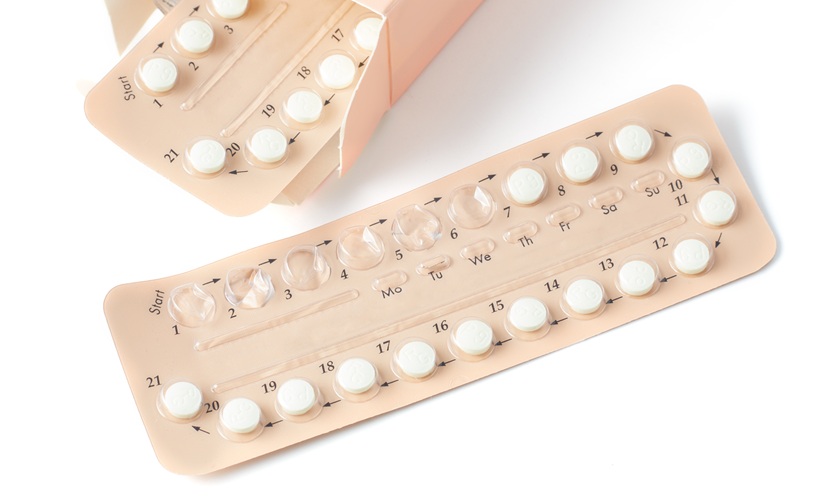
ORAL CONTRACEPTIVES are tied to an increased risk of depression diagnoses, antidepressant initiation, and depressive symptoms in healthy women, according to a new large-scale meta-analysis.1
Oral Contraceptives and Depression
Oral contraceptives are a safe, highly effective, and popular method of contraceptives, with an estimated 151 million users worldwide.2
Women are more likely to have depression than men, with WHO estimating that 4.6% of adult men and 6.9% of adult women experience depression. 3
31% More Likely to Be Diagnosed with Depression
Nearly 2.5 million women aged 12 years or older were included in analysis, across14 screened references.1
Five studies, including more than 1.6 million participants, examined depression diagnoses.
Women using oral contraceptives were 31% more likely to be diagnosed with depression compared to non-users.
25% More Likely to Take Antidepressants
Three studies, including more than 2.1 million participants, analysed antidepressant use.
Oral contraceptive users were 25% more likely to take antidepressants than non-users.
Higher Depressive Symptom Scores
Eight studies, including 2,525 participants, measured depressive symptom scores.
Oral contraceptive users had statistically significantly higher depressive symptom scores than non-users.
However, the clinical implications of the difference in symptoms were small.
In subgroup analyses, researchers found no evidence of group differences by study design, follow-up length, or progestogen content.
Implications for Contraception Prescribers
Overall, there was a significant link between hormonal oral contraceptives and depression in women without pre-existing psychological and gynaecological conditions.
Researchers reported that this association highlights that adverse effects of oral contraceptives on people’s mood should be closely monitored by prescribers.
References
1 Kellock MD et al. Association of oral contraceptives with depression symptoms, diagnosis, and treatment in healthy women: a meta-analysis. Eur J Obstet Gynecol Reprod Biol. 2026;DOI:10.1016/j.ejogrb.2026.
2 United Nations Department of Economic and Social Affairs. Contraceptive use by method: data booklet. 2019. Available at: https://www.un.org/development/desa/pd/sites/www.un.org.development.desa.pd/files/files/documents/2020/Jan/un_2019_contraceptiveusebymethod_databooklet.pdf. Last accessed: 10 July 2026.
3 World Health Organization. Depressive disorder (depression). 2025. Available at: https://www.who.int/news-room/fact-sheets/detail/depression. Last accessed: 10 July 2026.
Featured image: stas_malyarevsky on Adobe Stock
- Author: