Abstract
Asthma is a heterogeneous chronic respiratory disease. Biologic therapies directed against IgE, IL-5, IL-4 receptor alpha, and thymic stromal lymphopoietin have transformed the management of severe asthma by reducing severe attacks (‘exacerbations’), improving lung function, and enhancing quality of life. Despite these advances, their use remains restricted to patients with severe, uncontrolled disease. The aim of this review is to synthesise the concepts and evidence supporting the use of biologics in non-severe, high-risk asthma not typically eligible for biologics in current treatment algorithms. Evidence from other chronic inflammatory diseases supports a shift toward earlier, targeted therapy to prevent irreversible damage. In asthma, robust evidence suggests that Type 2 inflammatory pathways are active in a substantial proportion of patients, placing them at increased risk of severe attacks and lung function decline. Biomarkers such as the blood eosinophil count and fractional exhaled nitric oxide may enable identification of these high-risk individuals and provide a rationale for earlier intervention in less severe asthma with high-risk features, including Type 2 biomarker elevation. This is a step away from the paradigm of asthma treated based on treatment received, towards a paradigm of precision medicine with earlier targeting driven by biomarkers of inflammation. Five recently announced and/or ongoing clinical trials are evaluating the efficacy of biologics in patients with less severe disease (defined as patients not on high-dose inhaled therapy): AIM4, BRISOTE, HOTHOT, MODIFY, and AIRLYMPUS. Innovative trial designs include composite biomarker-high patient selection, relaxed inclusion criteria permitting patients with less disease burden, on-treatment adjustment of background therapies, and targeting clinical remission. As trial designs adapt and evolve, biologics may play an expanding role beyond severe asthma. Current evidence supports the rationale for studying biologics earlier in high-risk asthma, but routine clinical use in non-severe asthma awaits trial results, cost-effectiveness analyses, and implementation frameworks.
Key Points
1. Biologics have transformed severe asthma care, but many high-risk patients with non-severe disease remain ineligible despite ongoing Type 2 inflammation.2. This narrative review synthesised current evidence and ongoing clinical trials evaluating biologics in high-risk, non-severe asthma.
3. Earlier biomarker-guided use of biologics may improve long-term outcomes in high-risk asthma, but routine use awaits results from ongoing trials.
INTRODUCTION
Asthma is a chronic respiratory disease affecting more than 300 million people worldwide, characterised by variable symptoms and airflow limitation.1,2 The disease course may involve flare-ups (asthma attacks), loss in lung function, and decreased quality of life over time.3,4 Asthma-related deaths may occur secondarily to attacks or due to comorbidity associated with cumulative systemic corticosteroid therapy exposure.5,6 Asthma attacks and loss of lung function are closely related to Type 2 inflammation,4,7-22 but can be disconnected from chronic symptom burden or treatment intensity (‘asthma severity’), which often reflect damage because of previously active disease or co-existent comorbidity.23-25
Biologics targeting Type 2 inflammation have revolutionised management of severe asthma.4,26-28 Severe asthma represents a minority (approximately 10%) of patients who require high intensity treatment to maintain control, or remain uncontrolled despite high intensity treatment.29-30 These patients with severe asthma account for most of the morbidity, mortality and societal costs attributed to the disease.3 Substantial progress in our understanding of asthma immunology, specifically the crucial role of Type 2 inflammation in initiating, propagating, and aggravating asthma attacks,31-35 was arguably the most important development leading to the life-changing effects of biologics.
The term ‘remission’ has been used to describe the best possible outcome with biologics as it signifies a state of enhanced disease control which does not require oral steroid use, stable end organ (lung) function, and a level of symptom control reported by patients.36 Across studies and molecules, remission was more likely to be achieved in people with shorter disease duration, lower morbidity, and higher Type 2 inflammatory biomarkers.36-39 These observations have increased interest in the earlier use of biologics in non-severe forms of asthma to try and maximise the effectiveness of these biological agents.18,23,36,40,41 The aim of this review is to synthesise the concepts and evidence supporting the use of biologics in mild-to-moderate asthma, herein liberally defined for the purpose of this narrative review as ‘asthma not on high-dose inhaled corticosteroids (ICS)’.29
METHODS
This is a non-systematic narrative review of indirect evidence assessing the potential for biological therapies used in non-severe forms of asthma, as well as the ongoing trials on the matter.
ASTHMA IMMUNOLOGY
Biologic targeting strategies used in asthma rely on our understanding of its immunology. Asthma is an inflammatory disease of the airways with polarisation towards a Type 2 immune response through innate immune signalling, adaptive antibody responses, and an autocrine Type 2 cytokine milieu contributing to asthma pathogenesis.
Repeated exposure to external triggers (allergens, pathogens, toxins) disrupts the physical integrity of the airway epithelial barrier in asthma,42 causing activation of innate epithelial pattern recognition receptors, such as toll-like receptors and nod-like receptors, which recognise pathogen and damage associated molecular patterns.43,44 These trigger the release of the epithelial alarmins thymic stromal lymphopoietin (TSLP), IL-33, and IL-25 with extensive downstream effects, including TSLP augmentation of dendritic cell (DC) activation of Type 2 immunity.45 In health, potential allergens are collected by epithelial DCs and not recognised as harmful; however, in allergic asthma DCs ingest and process allergens, migrate to lymph nodes, and present their antigen to immature T cells via major histocompatibility Class II (MHCII).46 This triggers differentiation of T cells to CD4+ T-helper-2 cells which secrete Type 2 inflammatory cytokines, IL-4, IL-5, and IL-13.
The role of epithelial alarmins in mediating Type 2 inflammation via innate mechanisms is increasingly important. TSLP, IL-33, and IL-25 increase the proliferation of and activate Group 2 innate lymphoid cells, which also secrete Type 2 inflammatory cytokines. IL-33 acts directly on CD4+ T cells and mast cells via ST2 receptors to further augment Type 2 inflammatory cytokine release.47-48
The central effector cytokines of the Type 2 response are IL-5, IL-4, and IL-13, which act synergistically to result in airway inflammation, giving the constellation of symptoms we recognise clinically as asthma. IL-5 stimulates bone marrow eosinophilopoiesis, chemotaxis of eosinophils to the airways, and prolongs eosinophil survival, together resulting in an increased pool of mature airway eosinophils.49 Activation of eosinophils results in degranulation and release of cytotoxins and proinflammatory mediators such as major basic protein, eosinophil cationic protein, eosinophil-derived neurotoxin, and eosinophil peroxidase in the airways, resulting in bronchial hyper-responsiveness and mucous hypersecretion. IL-5 activity leads to increases in blood eosinophil count (BEC), which can be measured as a biomarker of IL-5 activity. IL-4 and IL-13 act via a common receptor sub-chain, IL-4Rα, driving the Type 2 inflammatory cascade, including the promotion of eosinophil migration to the airway via chemotaxis.50 IL-4 promotes immunoglobulin class switching of B cells to release allergen specific IgE,51 thus increasing mast cell activation and release of inflammatory mediators such as histamine in the airways. IL-13 promotes goblet cell hyperplasia, mucous production,52 and acts as a chemotactic agent drawing fibroblasts to the airway submucosa and stimulating collagen deposition, resulting in subepithelial fibrosis, causing airway remodelling and fixed airflow obstruction.53 Whereas IL-5 correlates with blood eosinophil counts and represents the systemic reservoir of effector cells, IL-13 activity can be measured by its biomarker fractional exhaled Nitric Oxide (FeNO) which reflects Type 2 inflammatory activation in the airways.54-56 Elevation of these cytokines in asthma are known to be associated with risk of uncontrolled asthma, attacks,18 and lung function decline.4 Therefore, it is intuitive that inhibition of effector cytokines, both directly through IL-4, IL-5, or IL-13, and indirectly through binding of IgE or inhibition of upstream mediators such as TSLP, have been effective in asthma management (Figure 1).4,28,54,55,57,58
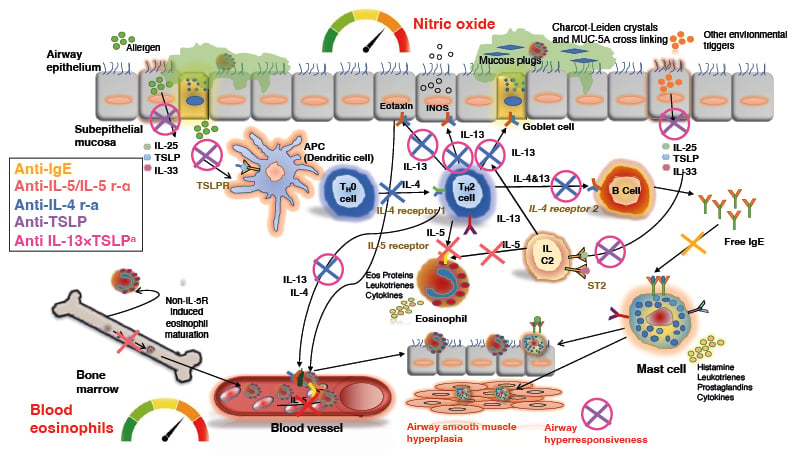
Figure 1: The Type 2 inflammatory cascade in severe asthma and the effects of anti-inflammatory therapies.55-59
aInvestigational product not authorised for use.
The Type 2 immune response may be set off by a trigger (e.g., allergen, smoke/pollution, infection) in the airways, leading to epithelial alarmin signalling with downstream Type 2 cytokine (IL-5, IL-4, IL-13) activity and migration of circulating eosinophils to the airways in most cases, and non-Type 2 mechanisms in others (e.g., mastocyte activation). In Type 2 inflammatory severe asthma, blood eosinophils reflect circulating IL-5 and the systemic pool of available effector cells, whereas fractional exhaled nitric oxide reflects IL-13 activity in the airway compartment (mucus hypersecretion, bronchial motor tone, and chemotaxis of eosinophils).55-57,59 Targeting the end products of the Type 2 pathway, such as IgE, has had modest success in asthma. In the past decade, a strategy based on blocking progressively more proximal drivers of inflammation such as IL-5, IL-4, IL-13, and TSLP has proven successful. New bispecific therapies, such as one targeting IL-13 and TSLP (anti-IL-13×TSLP), have the potential to more fully abrogate the Type 2 inflammatory cascade, a strategy which is currently under investigation for use in mild-moderate asthma.
Modified with permission from Couillard et al.55-59
APC: antigen-presenting cell; iNOS: inducible nitric oxide synthase; MUC5AC: mucin 5AC; ST2: suppression of tumorigenicity 2; TSLP: thymic stromal lymphopoietin; TSLPR: thymic stromal lymphopoietin receptor.
TARGETING STRATEGIES OF BIOLOGICS IN ASTHMA
Targeting IgE (Omalizumab)
Omalizumab is a humanised monoclonal antibody directed against circulating IgE, approved for the treatment of moderate-to-severe atopic asthma. Its use has been approved for patients aged ≥6 years with persistently inadequate asthma control despite optimised inhaled treatment. Prior to initiation, it is necessary to show total IgE levels ≥30 IU/mL and reactivity to at least one perennial allergen (positive specific IgE test or skin prick test). This treatment is administered subcutaneously every 2–4 weeks, depending on body weight and total IgE levels. Omalizumab is generally well tolerated, with adverse events primarily consisting of local cutaneous reactions at the injection site (3%). The risk of anaphylaxis is low (<0.2%), but warrants proper monitoring.59
The efficacy of omalizumab has been widely investigated, showing a modest reduction in severe attacks (about 30%) with concomitant improvement in asthma control and quality-of-life score.59 These effects were maintained for up to 9 years in real-life studies.60 The effect of omalizumab on forced expiratory volume in 1 second (FEV₁) is a 100–200 mL increase, which is a modest but significant improvement.61
Phase II-IV trials in mild-moderate asthma
Omalizumab has mostly been studied in moderate-to-severe forms of asthma.59 Nevertheless, the results of the head-to-head trial between omalizumab and dupilumab (anti-IL-4/-13) in patients with physician-diagnosed asthma with comorbid nasal polyposis were clearly in favour of dupilumab.62 These data, which are discussed further under the dupilumab section, highlight the shortcoming of targeting IgE, which lies distal in the immune cascade and is thus not a proximal driver of inflammation.
Targeting IL-5 (Mepolizumab, Reslizumab, Benralizumab, and Depemokimab)
IL-5 is a key mediator of the initiation and maintenance of Type 2 airway inflammation through expansion of eosinophil differentiation and chemotaxis to the airways. There are four approved monoclonal antibodies: mepolizumab, reslizumab, and depemokimab, which bind to circulating IL-5, and benralizumab, which binds to the alpha subunit of the IL-5 receptor (IL-5Rα). Clinical trials that led to the use of this therapeutic class included patients with moderate-to-severe asthma, substantial blood eosinophilia (e.g., ≥300 cells/µL in the past 12 months and/or ≥150 cells/µL at baseline), and frequent attacks (e.g., ≥2 in the past year).
Mepolizumab was approved following the MENSA and SIRIUS trials, which led to impressive results. Both attacks and OCS doses were reduced by approximately 50%. Extension studies confirmed the persistence of benefits for up to 4–5 years.63 Benralizumab was studied in the SIROCCO and CALIMA trials,13 which showed a 45–55% reduction in severe asthma attack rates in the study population. Reslizumab is an IL-5 antagonist that is administered intravenously monthly at a dose of 3 mg/kg, which significantly hampers its use. Phase III trials showed a 50–60% reduction in attacks in an adult population with eosinophilia ≥400 cells/µL.64 Depemokimab is a novel long-half-life biologic, which allows for subcutaneous administration every 6 months. The parallel, identical Phase III studies SWIFT-1 and SWIFT-2 showed a 54–56% reduction in the annualised rate of attacks, which is still comparable to other IL-5 inhibitors.65
Phase II–IV trials in mild-moderate asthma
Mepolizumab was initially evaluated in a Phase II trial involving patients with moderate asthma, a study now widely regarded as having underestimated the importance of selecting patients with an active underlying pathway targeted by the antibody and of assessing outcomes aligned with its mechanism of action.63,66 Indeed, in addition to not selecting patients with eosinophilic asthma, the trial was oriented toward improvements in lung function at 12 weeks rather than annualised asthma attacks. Benralizumab was trialled in patients with mild-to-moderate asthma in the 12-week Phase III BISE trial, showing statistically significant changes in lung function, which were predominantly observed in eosinophilic patients.67 More recently, the ABRA trial showing efficacy of benralizumab used acutely during eosinophilic asthma and/or chronic obstructive pulmonary disease attacks included a group of patients with asthma of which 70% were not severe, representing less than 40 patients in total.68 Hence, IL-5 targeting strategies have scarcely been trialled in mild-moderate asthma, with short follow-up durations.
Targeting IL-4 Receptor (Dupilumab)
IL-4 and IL-13 signal through receptor complexes that share the IL-4Rα subunit. Dupilumab is a fully human monoclonal antibody that targets IL-4Rα, thereby inhibiting downstream signalling pathways mediated by both cytokines. This drug is used as add-on maintenance therapy in patients aged ≥6 years with moderate-to-severe uncontrolled asthma and documented Type 2 inflammatory profile (blood eosinophils ≥150 cells/µL or FeNO ≥25 ppb).
The Phase III LIBERTY ASTHMA QUEST trial69 showed a decrease in the annualised attack rate by up to 70%, with a more pronounced reduction in the subgroup with ≥300 eosinophils /µL. The study also demonstrated a mean improvement in pre-bronchodilator FEV₁ ranging from 200–320 mL, depending on baseline eosinophil count. Clinically meaningful improvements were also observed in asthma control and quality-of-life scores.
Phase II–IV trials in mild-moderate asthma
The EVEREST Phase IV trial62 assessed the efficacy of dupilumab versus omalizumab in patients with nasal polyposis and comorbid physician-diagnosed asthma, without any severity criterion. Accordingly, a third of patients had milder forms of asthma treated by low-dose ICS, and more than half had not required systemic corticosteroids in the previous 2 years for their airway disease. As nearly all patients had evidence of Type 2 airway inflammation (i.e., elevation of blood eosinophils and/or FeNO), it is unsurprising that dupilumab was decidedly superior to omalizumab both in terms of the primary endpoints (nasal polyp and smell test scores) and other asthma-specific endpoints (lung function, asthma symptoms, FeNO, and quality of life). Although the VESTIGE trial population may be viewed as less severe than the current dupilumab label, these were nonetheless patients with moderate-to-severe asthma with a recent history of a severe asthma attack.70
Targeting Thymic Stromal Lymphopoietin (Tezepelumab)
Tezepelumab targets the alarmin TSLP. Unlike most biologic therapies, its administration is not restricted to patients with a prior established allergic or eosinophilic phenotype. It is approved for use in patients ≥12 years of age with severe asthma that remains uncontrolled despite optimised inhaled therapy, regardless of inflammatory profile.
The PATHWAY Phase IIb trial71 first demonstrated a dose-dependent decrease in attacks, reaching up to 71% in patients with high eosinophil counts. These findings were confirmed in the pivotal Phase III NAVIGATOR trial,72 showing a 56% reduction in the annualised attack rate compared to placebo. Interestingly, a substantial decrease in attacks was observed across all patients, independent of Type 2 inflammatory biomarkers. However, patients with blood eosinophils ≥300/µL and/or FeNO ≥25 ppb exhibited substantially greater benefits. The efficacy of tezepelumab in reducing attacks was sustained for at least 2 years.73 Patients treated with tezepelumab also showed significant improvements in pulmonary function tests, with a mean FEV₁ increase of 130–230 mL at 52 weeks, along with improvements in clinical control scores and quality of life.72
Phase II–IV trials in mild-moderate asthma
To the best of the authors’ knowledge, there are none.
OPPORTUNITIES FOR USE OF BIOLOGICS IN MILD-MODERATE ASTHMA
As the list of available or investigational biologic options expand, new opportunities for intervention in non-severe, high-risk asthma are being explored (Table 1).
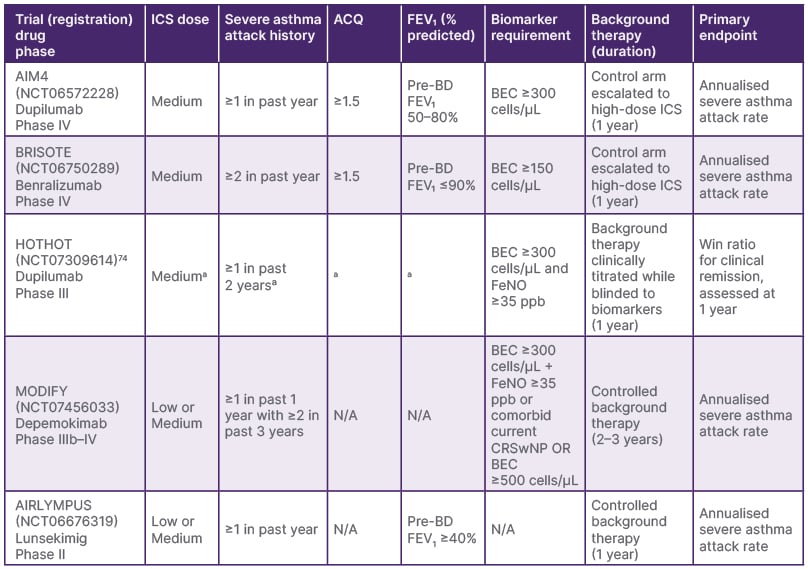
Table 1: Overview of ongoing or planned trials of biologics in mild-moderate asthma.
aPatients must have at least 1 additional risk factor such as high-dose ICS, prior attack in past 12 months, ACQ-5>=1,5, FEV1< 80%.
ACQ: Asthma Control Questionnaire; BEC: blood eosinophil count; CRSwNP: chronic rhinosinusitis with nasal polyps; FeNO: fractional exhaled nitric oxide; FEV1: Forced Expiratory Volume in 1 second; ICS: inhaled corticosteroids; N/A: not applicable; Pre-BD: pre-bronchodilator.
Why Move from Targeting ‘Severe’ to ‘High-Risk’ Asthma
Patients exhibiting Type 2 high phenotypes have been associated with ‘high-risk asthma’, meaning an increased risk of developing severe asthma, attacks, and steeper decline in lung function.4,15,16,21,22,75
As decline in lung function correlates to mortality and morbidity in asthma, identifying high-risk patients before irreversible lung function impairment becomes crucial.75 This underlines the importance of biomarkers as a risk stratification tool; a potential foothold to identify patients most susceptible to benefit from Type 2 inflammation-targeted therapy. This ‘predict and prevent’ approach23 is supported by the ORACLE studies, a comprehensive analysis of biomarker-stratified RCT data that demonstrated that the excess risk conferred by Type 2 inflammation could be removed by appropriate, targeted, specific treatment.23,40 The value of monitoring Type 2 biomarkers to identify opportunities for intervention is compounded by a series of populational and retrospective cohort studies that have shown an association between blood eosinophils, FeNO, and lung function decline in non-severe forms of disease.15,16,22 It is important to highlight that 50% of patients with mild asthma have evidence of Type 2 inflammation, although the proportion is 95% in severe asthma.55 In summary, people with mild-to-moderate asthma and evidence of Type 2 immune activation represent a high-risk group, especially when the Type 2 phenotype occurs in the context of other clinical risk factors such as a prior asthma
attack history.22
The recent move to target clinical remission as an outcome further substantiates the case to focus on high-risk asthma, rather than only severe asthma, to obtain the best possible outcomes. A systematic review and meta-analysis published in 2025 by Shackleford et al.39 analysed 25 studies, with 28 analyses of clinical remission for which 68 definitions were identified.39 Pulmonary factors identified as barriers to clinical remission were interestingly longer asthma duration, worse symptom control and lung function, use of maintenance oral corticosteroids, and worse FEV1 at baseline. The authors also demonstrated that patients with less severe asthma had a better chance of achieving clinical remission than their more severe counterparts (Figure 2).39 These results imply that intervention in severe asthma is a ‘too late’ strategy, whereby the abrogation of the Type 2 inflammatory response often happens after the occurrence of irreversible damage.
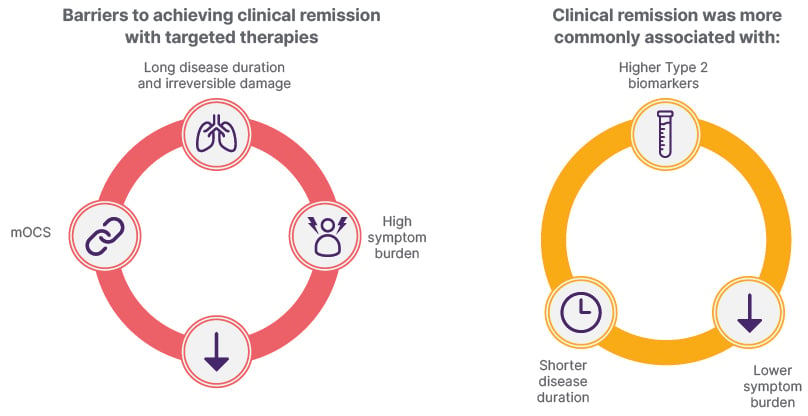
Figure 2: Barriers and predictors of remission.40
Based on data from Shackleford et al.40
FEV1: Forced Expiratory Volume in 1 second; mOCS: maintenance oral corticosteroid.
Potentially the most compelling evidence to target high-risk disease before it qualifies as ‘severe’ comes from the field of rheumatoid arthritis. Initially reserved for severe form only, biologics demonstrated their ability to prevent progression of the disease and reduce the use of corticosteroids, reaching clinical remission.76 Over decades of applying such proactive medicine and ‘treat-to-target’ approach, signs of long-standing damage such as rheumatoid hands (Figure 3)74 have reduced in frequency and are unlikely to be seen in a patient diagnosed with the disease today; a feat which the asthma field is looking to replicate.41
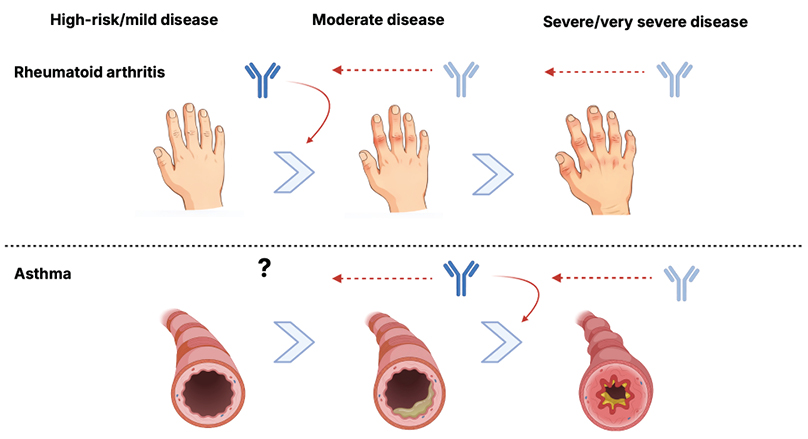
Figure 3: Potential role for use of biologics in non-severe pathology across chronic inflammatory diseases.74
Progress in rheumatoid arthritis and, to a lesser extent, in asthma has led to earlier targeted use of biologics in high-risk patients to avoid downstream irreversible damage (e.g., rheumatoid hands or airway remodelling). Question marks indicate areas where there is indirect supportive data, but no robust clinical trial assessing efficacy.
Modified from Ross et al.74
Announced and Ongoing Phase II–IV Trials in Mild-to-Moderate Asthma
Several trials are planned or recruiting patients with mild-to-moderate asthma and high-risk features (Table 1).
Dupilumab has fielded two trials in patients not on high-dose ICS which we may thus qualify as mild or moderate. First, the AIM4 trial (NCT06572228). This trial enrols eosinophilic patients on medium-dose ICS with uncontrolled symptoms, low lung function (FEV1 50–80%), and a previous severe asthma attack in the past 12 months. Patients are randomised to either escalating to high-dose ICS (current standard of care) or initiating dupilumab with continued use of the medium-dose ICS, with allocation blinded through placebo/matched inhalers. The primary endpoint is the severe annualised asthma attack rate. Second, the HOTHOT placebo-controlled trial (NCT07309614),77 which targets patients with moderate asthma with composite Type 2 high biomarker elevation (‘hothot’), a prior severe attack in the past 24 months, and at least one other risk factor (uncontrolled symptoms, low lung function, or high-dose ICS). During the conduct of the trial, patients’ background therapy is titrated whilst research personnel are blinded to Type 2 biomarker values (and treatment allocation). The primary endpoint is the ‘remission win ratio’, representing the odds of attaining remission criteria.
Using a trial design very similar to the AIM4 trial, benralizumab will be trialled against increasing the ICS dose to a high dose in the BRISOTE trial (NCT06750289). Two differences include the FEV1 requirement (<90% in BRISOTE) and the prior severe asthma attack history to meet eligibility (≥2 in the prior year).
The recently announced MODIFY trial (NCT07456033) targets a similar Type 2 inflammatory population as HOTHOT (dual biomarker elevation or 1 biomarker elevated in the context of nasal polyposis) but with depemokimab as the intervention. However, eligible patients are required to be on low- or medium-dose ICS, and have had at least two severe attacks in the past 3 years (with at least one in the prior year). There is no symptom or FEV1 criterion. Background therapy is controlled for the up-to-156-week duration of the trial, and the primary endpoint is the severe annualised asthma attack rate. A key secondary endpoint is remission.
The bispecific targeting IL-13 and TSLP (anti-IL-13×TSLP) lunsekimig is investigated in the AIRLYMPUS trial (NCT06676319). Registered as a placebo-controlled trial in high-risk asthmatics with mild-moderate asthma and a prior severe asthma attack in the last 12 months. There is no criterion for low lung function, and it is not publicly disclosed whether evidence of Type 2 inflammatory activation is necessary. The primary endpoint is the annualised severe asthma attack rate.
Comparative observations
When reviewing newly announced or ongoing trials in (Table 1), it is evident that different strategies are being developed to tackle the important clinical question: how can biologics be best used in mild-moderate asthma? As the costs of the drugs are high, moving to non-severe forms of the disease means targeting a high-risk subgroup that is particularly treatment responsive, e.g., the Type 2 inflammatory high group for the purpose of maximally modifying the disease course to improve healthcare outcomes. In that context, dual biomarker stratification may be preferable to single-biomarker frameworks, insofar as blood eosinophils and FeNO hold synergistic prognostic and theragnostic value.
In addition to carefully selected study populations, the reviewed trial designs challenge the current trial dogma, for example, by comparing bio-intervention with escalation to high-dose ICS, adjusting background therapy in both arms, or adopting longer follow-up durations. Three of the five surveyed trials had relaxed lung function criteria, potentially improving recruitment rates while decreasing the potential for regression to the mean on the FEV1 endpoints. The results of these pioneering trials are likely to inform the design of asthma trials for the next decade.
LIMITATIONS OF THE AVAILABLE EVIDENCE
This non-systematic narrative review applied a liberal definition of ‘non-severe asthma’ and predominantly assessed indirect lines of evidence suggesting that biological therapy in milder forms of asthma may be worthwhile. It is important to emphasise that defining non-severe asthma solely based on the absence of prescribed high-dose ICS is clinically inaccurate and may, in fact, be difficult to quantify in the setting of maintenance-and-reliever therapy regimens (e.g., regular plus as-needed ICS-formoterol). This definition is pragmatic rather than universally accepted, as treatment intensity may reflect prescribing practice, adherence, access, or physician preference rather than intrinsic disease biology. In clinical practice and in clinical trials, the definition of severe asthma should be based on scientific society documents rigorously defining severe asthma. Furthermore, the authors acknowledge that there is no available RCT-based evidence that biological therapies are effective in these forms of asthma; this review is thus mostly to be viewed as a survey of the ongoing trials on the matter. Finally, the authors acknowledge that there are limitations to the eventual use of biologics in non-severe asthma, such as the potential of overtreatment, costs, access inequity, and uncertainty regarding whether biologics should be introduced before full optimisation of standard pharmacological and non-pharmacological treatments.
CONCLUSION
Biologics for treatment of asthma were approved for use in patients with severe, uncontrolled disease to help patients for whom high-dose ICS and bronchodilators were insufficient. Although consensus on the definition of clinical remission in asthma is yet to be reached, emerging data provide indirect evidence that earlier recognition of high‑risk phenotypes and especially earlier initiation of targeted therapies could help improve long‑term outcomes. Thus, the next critical step is to continue to investigate whether biologic therapies could provide meaningful benefit earlier in the disease course, before severe asthma develops. Current evidence supports the rationale for studying biologics earlier in high-risk asthma, but routine clinical use in mild-to-moderate asthma awaits trial results, cost-effectiveness analyses, and implementation frameworks.