Key Summary:
- Cryobiopsy improved diagnostic yield by nearly 10%.
- Larger tissue samples improved diagnostic accuracy.
- No increase in major procedure-related complications.
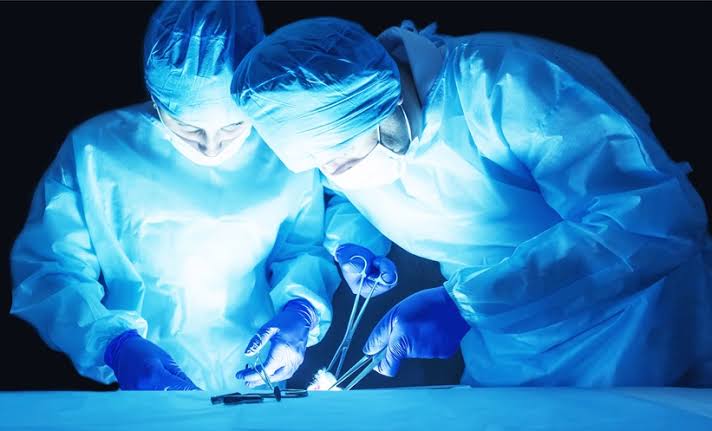
Cryobiopsy may offer a more effective alternative to conventional forceps for transbronchial lung biopsies, according to findings from the FROSTBITE-2 randomised clinical trial. Researchers reported significantly higher diagnostic yields using a 1.1-mm cryoprobe across a range of pulmonary conditions, without an increase in major complications.
Transbronchial lung biopsy is routinely performed during bronchoscopy to diagnose pulmonary nodules and masses, evaluate lung transplant patients, and investigate diffuse parenchymal lung disease. Conventional forceps can sometimes produce small or damaged tissue samples, limiting diagnostic accuracy. Cryobiopsy, which freezes tissue at the tip of the probe before retrieval, allows clinicians to obtain larger and more intact specimens.
The multicentre, randomised clinical trial enrolled 500 adults across nine US medical centres between February 2023 and September 2024. Participants were randomly assigned to undergo transbronchial lung biopsy using either a 1.1-mm cryoprobe or conventional 2.0-mm forceps.
The primary outcome was diagnostic yield, defined as the proportion of biopsy samples that resulted in a specific histological diagnosis.
Overall, cryobiopsy significantly outperformed forceps, achieving a diagnostic yield of 88.6% compared with 78.8% for conventional biopsy techniques. This represents an absolute improvement of 9.8%.
The improved performance of cryobiopsy was particularly notable among patients undergoing biopsy for pulmonary nodules or masses and those who had previously undergone lung transplantation.
Among patients with pulmonary nodules or masses, diagnostic yield increased from 70.1% with forceps to 83.2% with cryobiopsy. Similarly, in lung transplant recipients, cryobiopsy achieved a diagnostic yield of 96.0%, compared with 88.7% using forceps.
Although cryobiopsy also demonstrated higher diagnostic yields in patients with diffuse parenchymal lung disease, the difference did not reach statistical significance in this subgroup.
The authors suggest that obtaining larger and better-preserved tissue samples may account for the superior diagnostic performance observed with cryobiopsy.
Importantly, the increased diagnostic yield was not associated with higher complication rates.
No cases of pneumothorax requiring chest tube placement occurred in the cryobiopsy group, whereas four cases were reported among patients undergoing forceps biopsy. Furthermore, neither group experienced significant bleeding or respiratory failure events.
These findings suggest that cryobiopsy can be performed safely when appropriate procedural protocols are followed.
The FROSTBITE-2 trial provides some of the strongest evidence to date supporting the use of cryobiopsy for transbronchial lung biopsy. Improved diagnostic accuracy has the potential to reduce the need for repeat procedures and facilitate earlier treatment decisions for patients undergoing investigation for pulmonary disease.
While further studies may help define its role in specific patient populations, the findings suggest that cryobiopsy may become an increasingly important tool in modern bronchoscopic practice, offering clinicians higher-quality tissue samples without compromising patient safety.
Reference
Thiboutot J et al. Cryobiopsy vs Forceps for Bronchoscopic Lung Biopsy: The FROSTBITE-2 Randomized Clinical Trial. JAMA. 2026;335(23):2038-45.
Each article is made available under the terms of the Creative Commons Attribution-Non Commercial 4.0 License.