Key Summary:
- Novel procedure significantly reduced giant lung bullae.
- Patients experienced improved lung function and exercise capacity.
- Long-term effectiveness requires further investigation.

A novel minimally invasive procedure may offer a new treatment option for patients with chronic obstructive pulmonary disease (COPD) complicated by giant pulmonary bullae, according to research. The technique, known as percutaneous aspiration sclerotherapy for staged volume reduction, was associated with significant improvements in lung function, breathlessness, exercise tolerance, and quality of life.
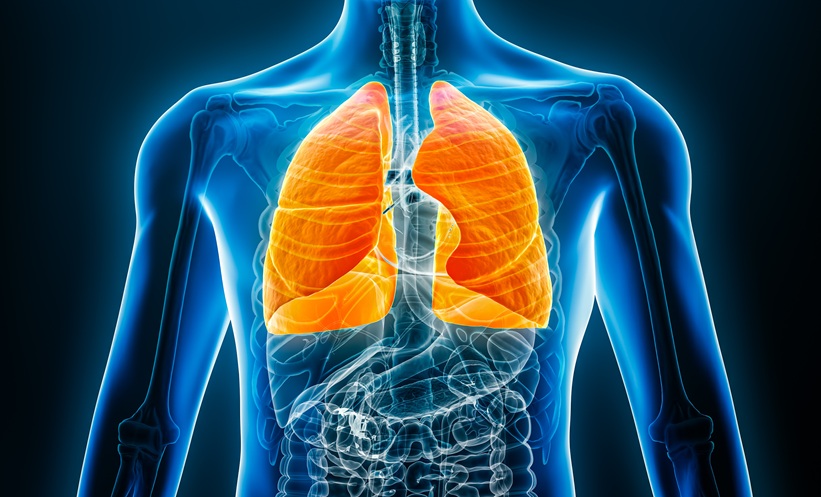
Pulmonary bullae are large, air-filled spaces that develop when lung tissue is destroyed, most commonly in patients with emphysema. Giant bullae can compress surrounding healthy lung tissue, worsening respiratory symptoms and limiting daily activities. While surgical bullectomy can be effective, not all patients are suitable candidates because of advanced disease or comorbidities, creating a need for less invasive alternatives.
Researchers retrospectively evaluated 40 patients with COPD and giant single pulmonary bullae who underwent the staged percutaneous aspiration sclerotherapy procedure.
Before treatment, the average bulla measured approximately 12.7 cm in diameter. Following the procedure, the bullae were significantly smaller, demonstrating that the staged volume reduction approach successfully reduced the size of the abnormal air spaces.
The technique involves percutaneous drainage and sclerotherapy to gradually reduce bulla volume while aiming to preserve surrounding lung tissue.
The reduction in bulla size was accompanied by clinically meaningful improvements across multiple respiratory outcomes.
Patients experienced significant increases in forced expiratory volume in one second (FEV₁), FEV₁ percentage predicted, forced vital capacity (FVC), and FVC percentage predicted. Blood oxygen levels (PaO₂) also improved significantly after treatment, while carbon dioxide levels (PaCO₂) decreased, although this change did not reach statistical significance.
Functional capacity improved as well, with patients walking significantly farther during the six-minute walk test following the procedure.
Researchers also reported improvements in symptom burden, with lower modified Medical Research Council (mMRC) dyspnoea scores indicating reduced breathlessness. Health-related quality of life also improved significantly, as measured using the St George’s Respiratory Questionnaire (SGRQ).
Several procedure-related complications were reported, although most were relatively minor.
Pneumothorax occurred in 14 patients, making it the most common complication. Twelve patients experienced small-volume haemoptysis, while eight developed fever and nine reported chest pain following treatment.
The study did not identify any unexpected safety concerns, suggesting the procedure may be technically feasible when performed in appropriately selected patients.
The authors conclude that staged percutaneous aspiration sclerotherapy represents a feasible and relatively straightforward minimally invasive treatment for giant pulmonary bullae in patients with COPD. By reducing bulla volume, the procedure may allow compressed healthy lung tissue to re-expand, improving respiratory function and reducing symptoms.
However, the researchers acknowledge several limitations, including the retrospective design and relatively small study population. They emphasise that larger prospective studies with longer follow-up are needed to determine the durability of the clinical benefits and establish the procedure’s long-term safety and effectiveness.
Reference
Deng W et al. A novel percutaneous aspiration sclerotherapy for staged volume reduction of giant single bulla in the treatment of COPD combined with pulmonary bullae. BMC Pulm Med. 2026;DOI: 10.1186/s12890-026-04429-2.
Each article is made available under the terms of the Creative Commons Attribution-Non Commercial 4.0 License.