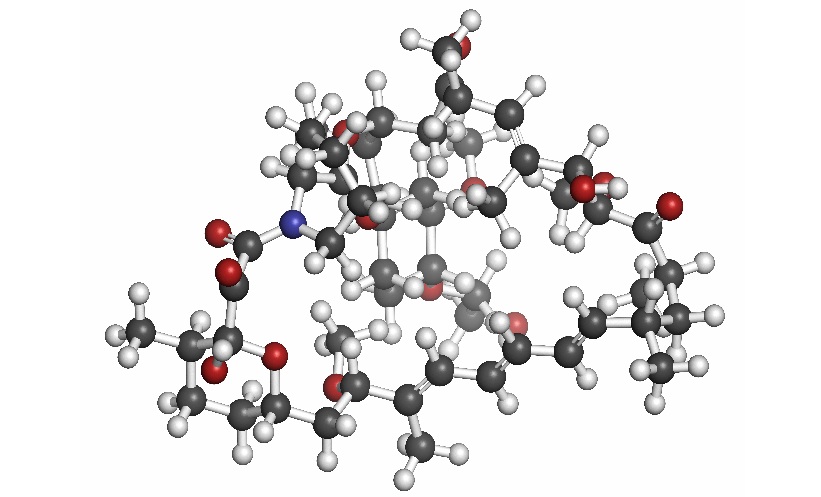
PATIENTS who initiated everolimus within the first three years after liver transplantation had a lower incidence of de novo malignancies (DNMs), according to a French nationwide analysis that emulated clinical trials using administrative health records.
DNMs are new cancers that arise after transplantation and are a recognised long-term complication of the immunosuppressive therapy used to prevent graft rejection.
The findings showed that discontinuing everolimus was linked to a higher incidence of DNMs. However, no improvement in 10-year overall survival was observed. The investigators cautioned that the analysis could not determine whether the lower incidence reflected everolimus itself, reduced exposure to calcineurin inhibitors such as tacrolimus, or a combination of both.
Nationwide Analysis Suggested Lower Cancer Incidence
Researchers analysed 7,981 adults who underwent liver transplantation for cirrhosis or hepatocellular carcinoma between 2009 and 2020, with hepatocellular carcinoma accounting for 44% of transplants. The study used a causal inference framework based on emulated target trials and a cloning–censoring–weighting approach to evaluate everolimus initiation, discontinuation and concomitant tacrolimus use.
The 10-year cumulative incidence of DNMs was 25.7%. Patients who initiated everolimus had a lower incidence of DNMs (HR 0.84; 95% CI 0.79-0.88). In contrast, discontinuing everolimus was linked to a higher incidence (HR 1.34; 95% CI 1.21-1.45). Concomitant tacrolimus use was not significantly linked to cancer incidence (HR 1.03; 95% CI 0.83-1.21).
Lower incidences of bladder, haematological, lung, prostate, skin and lymphoma cancers were also reported among everolimus users. The findings remained consistent across sensitivity analyses using alternative lag times and grace periods.
Important Questions Remain
The authors noted that the analysis could not separate the potential antineoplastic effects of everolimus from the impact of calcineurin inhibitor minimisation. Previous evidence has suggested that post-transplant cancer risk is influenced by the intensity and timing of calcineurin inhibitor exposure, particularly during the first year after transplantation. In this study, 81.8% of everolimus-treated patients discontinued tacrolimus within the grace period, reducing the contrast between treatment strategies and limiting the ability to detect differences between them.
Nearly half of patients who initiated everolimus also discontinued treatment during follow-up, which may have reduced any long-term benefit. The study captured only cancers requiring hospitalisation, potentially underestimating malignancies diagnosed and treated in outpatient settings, particularly skin cancers. Information on tumour stage, histological subtype, medication adherence and cancer-specific mortality was unavailable.
Implications for Clinical Practice
Although sustained everolimus exposure was linked to a lower incidence of DNMs, this did not translate into improved 10-year overall survival. The authors suggested this may reflect the multifactorial causes of death after liver transplantation, the relatively modest reduction in cancer incidence and the fact that nearly half of patients discontinued everolimus during follow-up.
The findings support further evaluation of everolimus-based immunosuppressive strategies incorporating calcineurin inhibitor minimisation, while highlighting the need for studies that can better distinguish the effects of everolimus from those of reduced calcineurin inhibitor exposure.
Reference
Kounis I et al. Everolimus and de novo malignancies after liver transplantation: a nationwide emulated trial using real-world data. JHEP Rep. 2026;DOI:10.1016/j.jhepr.2026.101934.
Featured image: molekuul.be on Adobe Stock