AN INVESTIGATIONAL therapy, DD01, produced significantly greater liver fat reduction than placebo in adults with MASLD or metabolic dysfunction-associated steatohepatitis (MASH), according to a 12-week analysis of a phase 2 trial.
MASH is an advanced form of MASLD in which excess liver fat is accompanied by inflammation and liver injury, driving progressive fibrosis that can lead to cirrhosis, liver failure and increased cardiovascular risk.
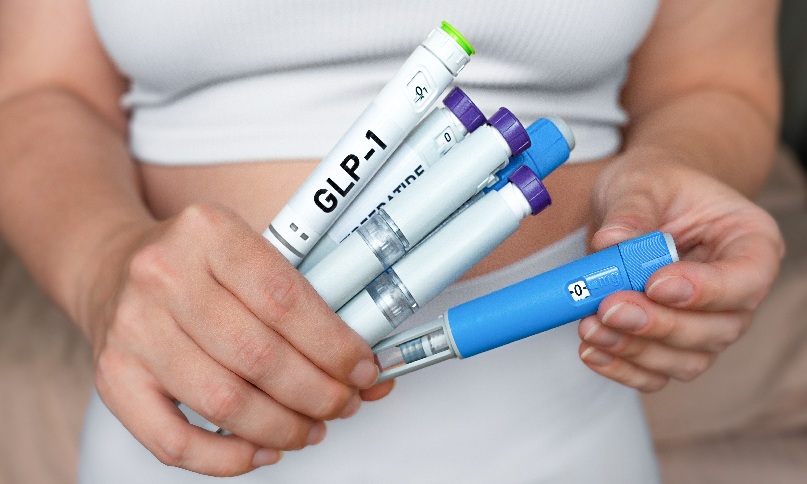
After 12 weeks of treatment, 76% of participants receiving once-weekly DD01 achieved at least a 30% relative reduction in liver fat, compared with 12% of those receiving the placebo. The early findings supported continued investigation of the liver-targeted glucagon-like peptide-1 (GLP-1) receptor and glucagon dual agonist in longer-term studies.
DD01 Showed Early Liver Fat Reduction
The randomised, double-blind, multicentre phase 2 study enrolled 67 adults aged 18–70 years with obesity or overweight and either MASLD or biopsy-confirmed MASH (78% of participants) across 12 outpatient clinical sites in the USA.
Participants were randomly assigned to receive once-weekly subcutaneous DD01 40 mg or matched placebo for 48 weeks, with treatment gradually escalated over the first two weeks. The primary endpoint assessed the proportion of participants achieving at least a 30% relative reduction in liver fat measured by MRI-proton density fat fraction at week 12.
Among the 33 participants who received DD01, 25 met the primary endpoint, compared with four of the 34 participants assigned placebo.
Safety Profile Reflected Gastrointestinal Effects
Treatment-emergent adverse events were reported in 85% of participants receiving DD01 and 68% receiving placebo. The most frequently reported events in the DD01 group were nausea, vomiting and diarrhoea, consistent with gastrointestinal side-effects commonly seen with GLP-1-based therapies.
Four participants receiving DD01 discontinued treatment because of adverse events, compared with one participant in the placebo group. Two serious treatment-emergent adverse events occurred in the DD01 arm—abdominal pain and acute cholecystitis—while none were reported with placebo. No deaths occurred during the study.
Longer-Term Evaluation Remained Necessary
The investigators concluded that the marked liver fat reduction observed after 12 weeks supported continued assessment in longer-term studies.
However, these findings represented an early, prespecified analysis of an ongoing trial. While DD01 demonstrated rapid effects on liver fat compared with placebo, additional follow-up will be required to establish its longer-term efficacy and safety in people with MASLD and MASH.
Reference
Noureddin M et al. The glucagon and GLP-1 receptor dual agonist DD01 for metabolic dysfunction-associated steatotic liver disease and steatohepatitis (DD01-DN-02): 12-week results from a randomised, double-blind, multicentre, placebo-controlled, phase 2 trial. Lancet Gastroenterol Hepatol. 2026;DOI:10.1016/S2468-1253(26)00130-5.
Featured image: Kateryna on Adobe Stock