SLEEP DISTURBANCE in cirrhosis has long been recognised as a major but under-addressed driver of reduced wellbeing, yet this study suggested that the pattern and regularity of sleep over time may be more clinically informative than traditional single-night assessments. Using six months of wearable data, researchers found that sleep regularity was the strongest sleep-related factor linked to health-related quality of life, indicating that circadian disruption may play a central role in how liver disease affects patients’ day-to-day functioning and overall wellbeing.
Cirrhosis is a progressive liver disease that can impair health-related quality of life (HRQoL) at both compensated and decompensated stages. Sleep disturbance is common in liver disease and contributes to reduced wellbeing, but routine assessments often capture a limited sleep snapshot.
Sleep Regularity Emerged as a Key Marker
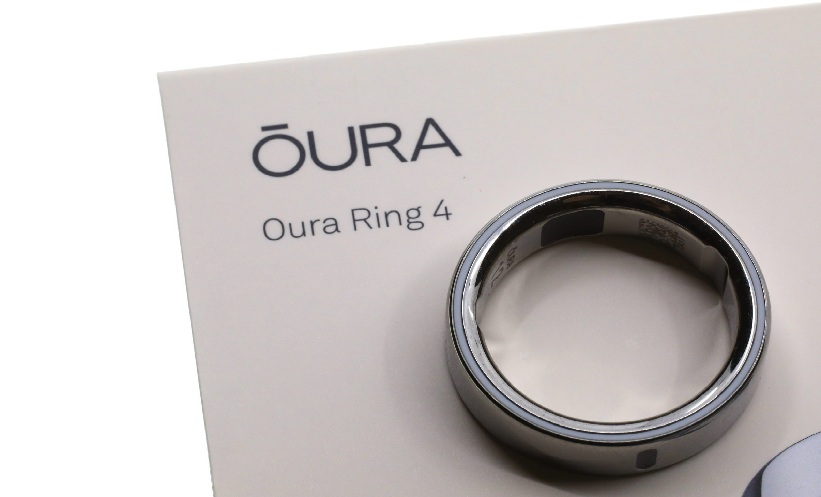
Researchers enrolled 119 participants with cirrhosis at two academic medical centres and collected baseline clinical, cognitive and laboratory data. Participants also underwent six months of sleep tracking using an Oura Ring.
HRQoL was assessed with the Chronic Liver Disease Questionnaire, while subjective sleep quality was measured using the Pittsburgh Sleep Quality Index. Among 88 participants who completed all assessments and had at least 14 valid nights, the analysis included 12,516 sleep episodes.
Lower sleep efficiency, shorter overall sleep time and reduced sleep regularity were linked to poorer reported sleep quality and HRQoL. More advanced liver disease, measured using the Child-Turcotte-Pugh score, was also associated with poorer sleep and wellbeing. Cognitive impairment was also linked to lower sleep regularity.
Sleep regularity was the strongest mediator between liver disease severity and HRQoL, accounting for 49.9% of the total mediation effect.
Why Sleep Regularity May Matter Clinically
The findings suggested that sleep organisation over time may matter more than isolated nightly measures for understanding wellbeing in cirrhosis. Unlike single-night assessments, wearable monitoring can capture day-to-day variability and may provide a representative view of sleep behaviour.
However, the study did not establish causality. Commercial wearables have limited validation in cirrhosis and detected sleep periods can be difficult to distinguish from quiet wakefulness. Excluding periods shorter than one hour may have reduced sensitivity.
Sleep Regularity Could Guide Future Research
The cohort may not fully represent real-world cirrhosis populations, with lower reported rates of advanced disease, alcohol use and sleep apnoea than expected. Smartphone and Bluetooth requirements may also have introduced selection bias.
Future studies should validate sleep regularity as a potential digital biomarker and assess whether changes in circadian rhythm precede or accompany clinical deterioration. Consistent sleep-wake schedules, timed light exposure, structured physical activity and other circadian-aligned strategies could be investigated as potential interventions.
Reference
Buckholz AP et al. Sleep irregularity is associated with reduced wellbeing in patients with cirrhosis. JHEP Rep. 2026;DOI:10.1016/j.jhepr.2026.101990.
Featured image: Douglas on Adobe Stock