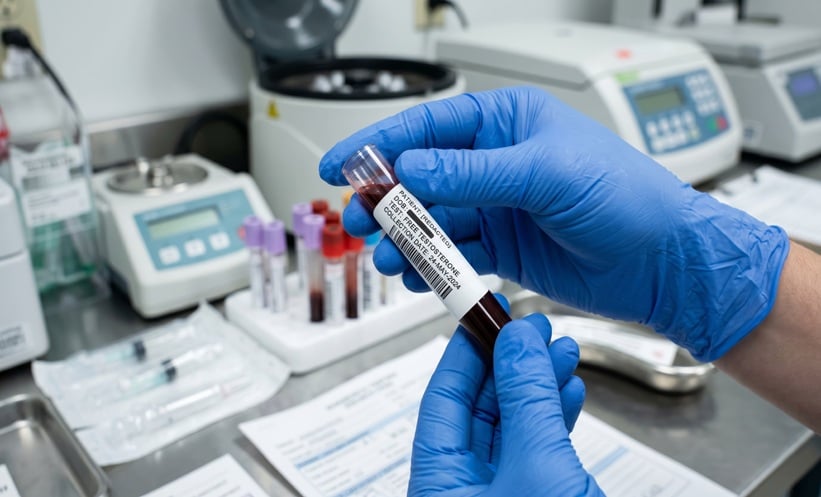
RECENT systematic reviews indicate that male hypogonadism alters immune signaling without directly increasing clinical cancer risk. With the Pentagon initiating routine screening programs for low testosterone among service members, endocrine balance has emerged at the forefront of clinical and public discourse. As diagnostic blood testing expands nationwide, physicians increasingly encounter questions regarding whether androgen deficiency compromises host immune defense against malignant transformation. A comprehensive narrative synthesis evaluated twenty experimental and clinical investigations to determine how male hypogonadism impacts immune cell populations, circulating inflammatory cytokines, and primary oncologic outcomes across diverse patient cohorts.
Immune Dysregulation and Male Hypogonadism
The biological relationship between circulating androgens and immune regulation remains nuanced and tissue specific. Testosterone deficiency consistently correlates with heightened systemic inflammation, characterized by elevated circulating concentrations of interleukin 6, tumor necrosis factor alpha, and C-reactive protein. Concurrently, physiological androgens exert established suppressive effects on adaptive immunity by inhibiting T lymphocyte proliferation, blunting thymic output, and curbing natural killer cell cytotoxic capacity. Consequently, male hypogonadism does not simply weaken host defenses. While testosterone deficiency stimulates pro-inflammatory signaling that could support a tumor-permissive microenvironment, the reduction in androgen signaling simultaneously removes an endogenous brake on T cell differentiation and natural killer cell activity.
Clinical Implications for Oncology and Endocrine Practice
Epidemiological investigations fail to demonstrate a consistent increase in overall cancer incidence among hypogonadal men. Rather than demonstrating uniform susceptibility across malignancies, associations differ markedly by organ system. Within prostate cancer cohorts, relationships follow an established saturation model where lower androgen levels associate with more aggressive histopathological phenotypes rather than reduced risk. Meanwhile, modest associations reported for colorectal neoplasia remain heavily confounded by coexisting conditions including visceral adiposity, insulin resistance, and metabolic syndrome. For practicing clinicians, current evidence indicates that male hypogonadism does not justify intensified oncologic screening beyond routine age-appropriate guidelines. Moreover, testosterone replacement therapy should not be withheld based on theoretical oncologic concerns, provided patients undergo appropriate clinical monitoring and harbor no active prostatic malignancies.
Reference
La Vignera S et al. Is Male Hypogonadism a Risk Factor for Cancer Through Weakening of the Immune System? Int J Mol Sci. 2026;27(14):6406.
Featured Image: Celso Pupo on Adobe Stock.