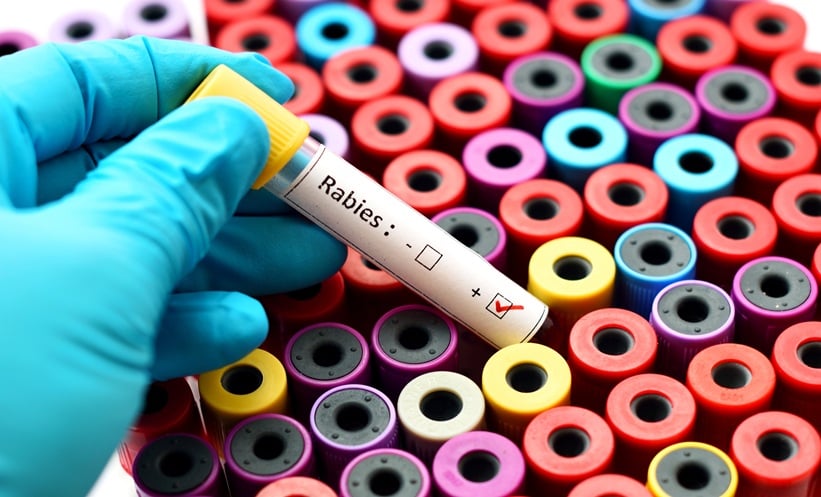
AMID rising rabies cases, investigators engineered rabies virus glycoprotein to transport CAR-T cells across intracranial barriers. Glioblastoma remains among the most lethal central nervous system malignancies, defined by an aggressive clinical course and a five-year survival rate under five percent. Although chimeric antigen receptor T cell therapy has transformed hematologic oncology, its efficacy in primary brain tumors falters. Solid intracranial lesions present three substantial clinical obstacles: pronounced tumor antigen heterogeneity, profound immunosuppressive microenvironments, and the formidable blood-brain barrier, which prevents therapeutic immune cells from reaching the infiltrative tumor parenchyma. Direct intracranial administration carries severe risks of mechanical brain trauma, local inflammation, and elevated reactive oxygen species, emphasizing the urgent necessity for non-invasive, intravenous delivery platforms.
Overcoming the Blood-Brain Barrier with Rabies Virus Glycoprotein
To resolve these translational hurdles, researchers leveraged the rabies virus glycoprotein peptide RVG29 to facilitate receptor-mediated transcytosis across intact cerebral vascular endothelium. By binding specifically to nicotinic acetylcholine receptors abundant on brain capillary endothelial cells, the rabies virus glycoprotein provides a targeted pathway into intracranial tissue previously explored for various neurological disorders. Rather than simply fusing the peptide to receptor constructs, investigators developed a co-expression architecture. They linked RVG29 to a second-generation anti-CD70 CAR containing 4-1BB and CD3-zeta endodomains via a self-cleaving T2A peptide. This design allowed dual expression on the T cell surface, achieving a transduction positivity rate exceeding 30 percent while preserving functional receptor orientation.
Transcriptomic Reprogramming and Sustained Glioma Cytotoxicity
In preclinical evaluations, these modified cells demonstrated robust cytolytic capacity against both established glioblastoma cell lines and primary patient-derived glioma isolates expressing high CD70 levels. Real-time impedance analysis revealed significantly faster tumor cell lysis kinetics alongside antigen-specific release of interleukin-2, interferon-gamma, and tumor necrosis factor-alpha. Transcriptomic profiling confirmed that rabies virus glycoprotein co-expression drove favorable metabolic adaptation through enhanced glycolytic pathways. Notably, the modified cells maintained persistent antitumor potential with accelerated cell cycle progression, while downregulating key exhaustion and inhibitory markers such as TNFRSF18 and LGALS12. By combining receptor-mediated vascular transit with resistance to immune exhaustion, this innovative platform advances targeted solid-tumor cellular immunotherapy toward safer intravenous clinical translation.
Reference
Ji F et al. Genomic characterization of rabies virus glycoprotein co-expressing CD70 CAR-T cells during killing of glioma cells in vitro. Front Immunol. 2026;17:1680513.
Featured Image: jarun011 on Adobe Stock.