Key Summary:
- The randomised trial evaluated 264 image-guided procedures.
- Pain scores above four occurred in 2.3% with ketamine versus 17% with fentanyl.
- Oxygen desaturation below 90% was less frequent with ketamine.
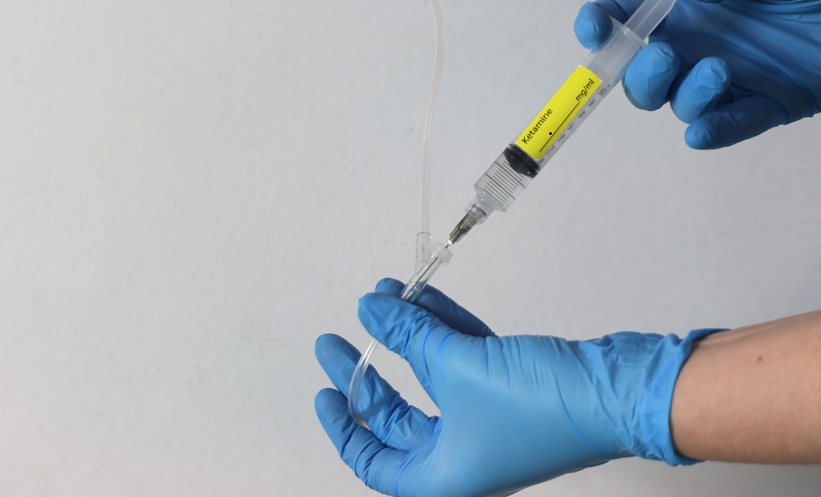
KETAMINE combined with midazolam may provide better pain control and fewer episodes of oxygen desaturation than fentanyl with midazolam during image-guided interventional radiology procedures.
A randomised clinical trial found that patients receiving ketamine experienced less procedural pain and reported greater comfort, although hallucinations occurred more frequently.
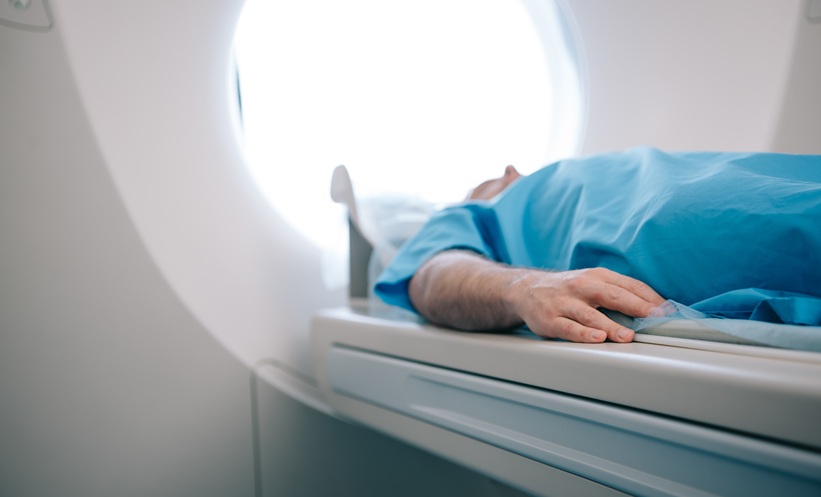
The single-centre randomised trial included 264 procedures performed in 260 adults between June 2025 and February 2026.
Participants undergoing image-guided lung or bone biopsy or abscess drainage were randomly assigned to receive either ketamine plus midazolam or fentanyl plus midazolam.
The primary outcome was maximum pain during the procedure, measured on a 0–10 numerical rating scale.
Patients receiving ketamine and midazolam experienced significantly less maximum procedural pain, with a mean difference of 1.4 points compared with fentanyl and midazolam.
Pain scores above four were recorded in just 2.3% of procedures in the ketamine group compared with 17% in the fentanyl group.
Ketamine was also associated with potentially important differences in respiratory measures.
Oxygen saturation below 90% occurred during 2.3% of procedures with ketamine compared with 9.8% with fentanyl.
Patients receiving ketamine also experienced deeper sedation and higher intraprocedural systolic blood pressure.
Patient-reported outcomes favoured the ketamine regimen, with improved overall comfort, reduced recall of the procedure, and greater perceived adequacy of sedation.
However, hallucinations were more common with ketamine, occurring in 11.4% of procedures compared with 3.8% with fentanyl.
Overall procedure-related and sedation-related complication rates did not significantly differ between groups.
Opioid-benzodiazepine combinations are commonly used for radiologist-administered procedural sedation but can cause respiratory depression and may provide inadequate analgesia.
The researchers conclude that ketamine plus midazolam could offer an alternative approach, providing improved analgesia and patient experience while reducing hypoxaemic events.
Further research will be needed to determine how broadly the findings apply beyond the single academic centre in which the trial was conducted.
Deipolyi AR et al. Ketamine plus midazolam versus fentanyl plus midazolam for sedation and analgesia during image-guided procedures in interventional radiology: randomized clinical trial. Radiology. 2026;320(3). doi:10.1148/radiol.260671.
Each article is made available under the terms of the Creative Commons Attribution-Non Commercial 4.0 License.