Key Summary:
- IcoSema reduced HbA1c by 3.32 percentage points over 40 weeks.
- Patients lost 0.79 kg with IcoSema versus a 3.81 kg gain with glargine.
- Clinically significant or severe hypoglycaemia was lower with IcoSema.
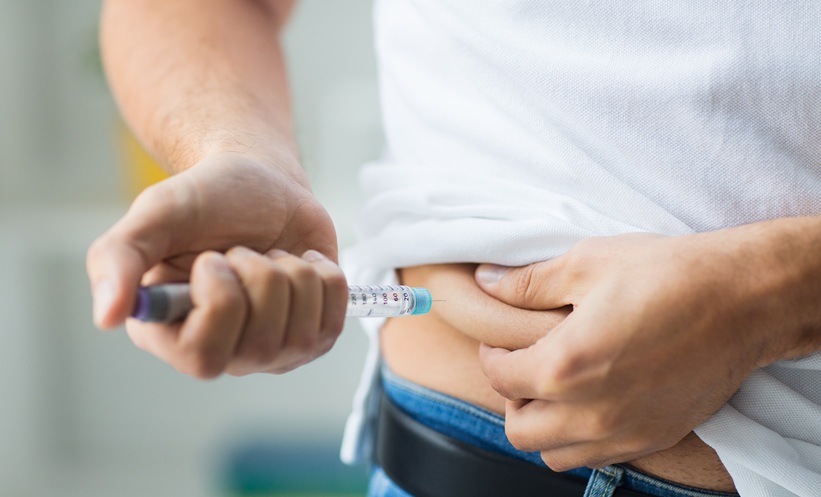
A ONCE-WEEKLY combination of insulin icodec and semaglutide improved blood glucose and body weight more than once-daily insulin glargine in adults with Type 2 diabetes, new trial results show.
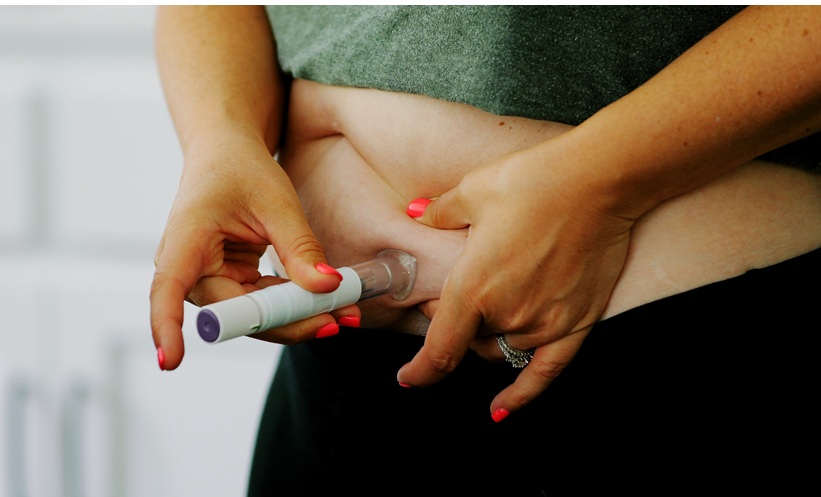
The COMBINE 4 Phase IIIb trial found that IcoSema produced a greater reduction in HbA1c while also reducing body weight and lowering rates of clinically significant or severe hypoglycaemia.
Insulin is often introduced when oral glucose-lowering therapies are no longer sufficient to control Type 2 diabetes. Combining basal insulin with a glucagon-like peptide-1 receptor agonist can improve glycaemic control while limiting weight gain and hypoglycaemia.
IcoSema combines once-weekly insulin icodec with semaglutide, a GLP-1 receptor agonist.
Researchers compared the treatment with once-daily insulin glargine U100 in the 40-week, open-label COMBINE 4 trial, conducted across 97 sites in nine countries.
The trial included 485 insulin-naive adults whose Type 2 diabetes remained inadequately controlled with oral medications. Participants had an HbA1c of at least 8.0% and were randomly assigned to IcoSema or insulin glargine.
Average baseline HbA1c was 9.57% in the IcoSema group and 9.50% in the insulin glargine group.
By Week 40, HbA1c had fallen by 3.32 percentage points with IcoSema, compared with 2.44 percentage points with insulin glargine. The 0.88 percentage-point treatment difference confirmed the superiority of IcoSema.
Body weight also moved in opposite directions between groups.
Participants receiving IcoSema lost an average of 0.79 kg, whereas those receiving insulin glargine gained 3.81 kg, producing a treatment difference of 4.61 kg.
Clinically significant or severe hypoglycaemia occurred at a rate of 0.29 episodes per person-year with IcoSema compared with 0.59 with insulin glargine.
Gastrointestinal disorders were the most frequently reported adverse events among participants receiving IcoSema, consistent with the known effects of GLP-1 receptor agonist therapy.
The researchers concluded that IcoSema could offer an effective once-weekly option for insulin-naive adults with Type 2 diabetes who remain inadequately controlled on oral medication.
Alongside improved glycaemic control, the combination may help address two common concerns surrounding insulin initiation: treatment burden and weight gain.
Reference
Ji L, et al. Once-weekly IcoSema versus once-daily insulin glargine U100 in type 2 diabetes management (COMBINE 4): an open-label, multicentre, treat-to-target, randomised, phase 3b trial. Lancet Diabetes Endocrinol. 2026.14(10):831-40.
Featured image: Syda Productions on AdobeStock
Each article is made available under the terms of the Creative Commons Attribution-Non Commercial 4.0 License.