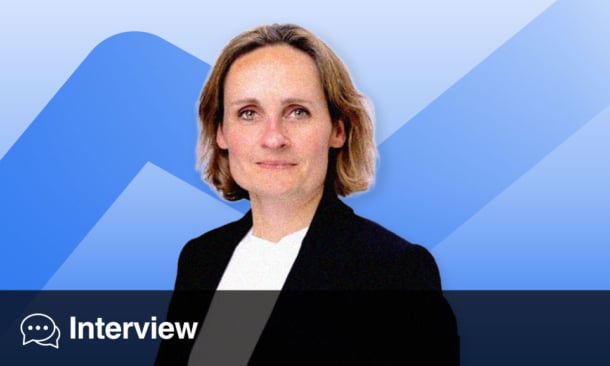
Rodrigo Sánchez-Bayona | Breast and Gynaecologic Cancer Unit, 12 de Octubre University Hospital, Madrid, Spain
Citation: EMJ Oncol. 2026; https://doi.org/10.33590/emjoncol/YQZ54H4Y

As Chair of the European Society for Medical Oncology (ESMO)’s Young Oncologists Committee, what do you see as the key priorities for the next generation of oncologists?
Our priority is bridging global educational disparities while establishing sustainable, long-term career pathways for early-career oncologists. As cancer management shifts towards increasingly complex paradigms, driven by multi-omics, novel targeted agents, and digital technology, young oncologists must develop deep technical expertise without losing sight of compassionate, patient-centred clinical care. However, acquiring these skills requires systemic support.
Equally critical is mitigating the widespread challenge of professional burnout. Early-career physicians frequently struggle to secure protected research time while managing demanding clinical workloads. Through ESMO, we are focused on expanding structured mentorship programmes, leadership opportunities, and accessible translational research grants. By building an inclusive, highly connected global network, we can ensure that young oncologists from all geographical regions receive equal access to training, funding, and professional development, empowering them to become the future leaders of global oncology.
You’ve written about the future of the clinician-scientist. How do you see the balance between research and clinical practice evolving for young oncologists?
The role of the clinician-scientist is undergoing a necessary evolution. Historically, balancing rigorous laboratory or translational research with demanding clinical duties created immense strain, leading many promising researchers to abandon academic medicine entirely. Moving forward, the boundaries separating routine clinical practice from scientific inquiry are becoming far more permeable, largely enabled by digital integration, high-throughput molecular diagnostics, and real-world data collection.
Rather than viewing clinical work and research as competing duties, the future lies in seamless synergy. Young oncologists are uniquely positioned to identify relevant clinical dilemmas at the patient’s bedside and translate those insights directly into actionable research questions. To sustain this paradigm, academic institutions and healthcare systems must guarantee dedicated, protected research time and structured funding models. Supporting clinician-scientists ensures that biological innovations continuously refine real-world care without compromising physician well-being.
Through initiatives such as SOLTI Young, you’ve worked to involve younger researchers in clinical research. What perspectives can the next generation bring to cancer research?
Younger researchers naturally bring a collaborative, open-science mindset and fluency in modern digital methodologies to clinical research. Unburdened by historical research silos, early-career investigators are particularly open to cross-disciplinary innovation, frequently integrating data science, advanced bioinformatics, and dynamic trial design into traditional translational studies.
Initiatives like SOLTI Young demonstrate that when given a platform, early-career researchers prioritise pragmatic, patient-centred research questions that directly reflect modern clinical challenges. Young investigators are deeply attuned to issues surrounding quality of life, diversity in clinical trial enrolment, and the integration of patient-reported outcomes alongside classical endpoints like progression-free survival. Involving the next generation in early trial design not only accelerates innovation, but also ensures that academic research remains responsive, adaptable, and aligned with the evolving needs of oncology practice.
In breast cancer, treatment options are expanding rapidly. Which areas of research do you think have the greatest potential to improve patient care?
Antibody-drug conjugates are fundamentally transforming breast cancer treatment by enabling precise, targeted delivery of potent cytotoxic agents directly to tumour cells. Their ability to demonstrate significant efficacy across a broad range of biomarker expression levels, including human epidermal growth factor receptor 2 (HER2)-low disease, has completely redefined standard treatment algorithms.
Concurrently, advances in liquid biopsies and circulating tumour DNA analysis offer unprecedented opportunities for monitoring minimal residual disease and detecting early therapeutic resistance. This molecular precision allows us to move beyond rigid, standardised treatment schedules toward dynamic risk adaptation. By identifying patients who truly require intensive regimens versus those who can safely undergo treatment de-escalation, we can maximise survival outcomes while sparing patients unnecessary toxicity, ultimately prioritising both survival and long-term quality of life.
Your work includes biomarkers and pharmacogenomics. How close are we to truly personalised treatment decisions for individual patients?
We have made remarkable strides in implementing genomic panels and targeted therapies, yet true personalisation extends far beyond mapping tumour mutations alone. Pharmacogenomics plays a critical role in understanding how patient-specific genetic variations, such as polymorphisms in CYP2D6, DPYD, or UGT1A1, impact drug metabolism, efficacy, and individual toxicity profiles.
While genomic testing routinely guides drug selection, host-related pharmacogenomics remains underutilised in daily practice. Achieving genuinely personalised medicine requires moving toward a multi-dimensional model that integrates comprehensive tumour multi-omics, host pharmacogenomics, dynamic biomarker monitoring via liquid biopsies, and clinical real-world data. As computational modelling and molecular diagnostics become more accessible, we are closing the gap between standardised clinical guidelines and truly individualised treatment strategies that optimise therapeutic efficacy while minimising adverse events.
With ESMO 2026 approaching, which sessions are you most looking forward to, and what makes this landmark congress particularly significant for the field?
ESMO 2026 represents a crucial benchmark for global oncology, serving as the premier platform for presenting practice-changing clinical trial results and late-breaking data across solid tumours. I am particularly eager to follow the Presidential Symposia, where major Phase III trial readouts directly reshape global standards of care and establish new therapeutic benchmarks.
For the Young Oncologists Committee, ESMO 2026 is equally significant, due to the dedicated Young Oncologists Track. This track provides a dedicated forum for early-career physicians to present original research, participate in specialised career-development workshops, and engage in peer-to-peer mentoring with internationally recognised experts. Landmark congresses like ESMO foster international research collaborations, break down institutional silos, and accelerate the translation of scientific discoveries directly into multinational clinical practice.
You’ve explored the role of digital health and AI in oncology. Where do you see these technologies having the greatest impact in clinical practice?
Digital health technologies and AI will have their most immediate impact as clinical co-pilots that enhance diagnostic accuracy and streamline complex workflows. AI-driven algorithms applied to digital pathology, radiomics, and genomic interpretation are already improving diagnostic speed and helping clinicians identify subtle disease patterns that might otherwise be missed.
Furthermore, machine learning applied to real-world evidence and electronic health records enables early prediction of treatment-related toxicities, facilitating proactive intervention before adverse events escalate. By automating routine administrative tasks and organising vast quantities of patient data, AI can reduce clinicians’ administrative burden. Ultimately, these tools do not replace clinical judgment; rather, they free up valuable time, allowing oncologists to focus on complex decision-making and meaningful, empathetic patient communication.
Looking back at your career so far, what experiences have shaped the way you approach oncology and research today?
My professional trajectory, spanning clinical residency, academic research, and translational breast cancer care at 12 de Octubre University Hospital, has reinforced the absolute necessity of aligning research directly with patient outcomes. Experiencing firsthand how a novel biomarker or targeted strategy alters a patient’s trajectory provides the ultimate motivation for clinical research.
Additionally, my involvement with international academic networks and ESMO has underscored the immense power of collaborative science and mentorship. Early in my career, guidance from dedicated mentors demonstrated that meaningful progress in oncology is rarely an isolated effort; it requires teamwork, rigorous curiosity, and shared international resources. These experiences drive my commitment to supporting early-career researchers today, ensuring that compassionate clinical care and rigorous translational science remain the foundations of our field.