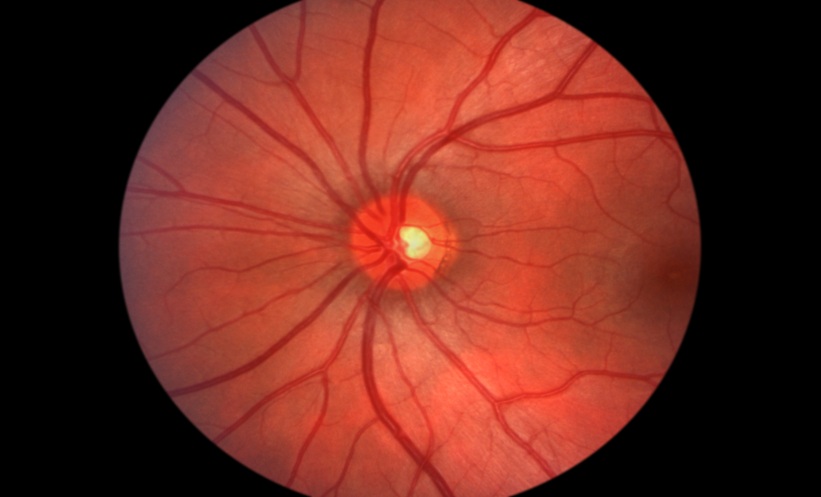
NEW safety labeling for GLP-1 receptor agonists warns clinicians about a rare optic nerve condition linked to sudden vision loss. Regulatory officials are requiring application holders across all glucagon-like peptide-1 receptor agonist (GLP-1 RA) medications to update their Warnings and Precautions sections to reflect a potential increased risk of non-arteritic anterior ischemic optic neuropathy (NAION).
Clinical Trial and Real-World Evidence on GLP-1 Receptor Agonists
NAION is a rare condition driven by decreased blood flow to the optic disc that can cause acute, painless, decreased vision in one eye, including permanent vision loss. Because individual studies recorded few or no cases, regulators conducted a meta-analysis of 126 randomized controlled trials evaluating GLP-1 receptor agonists across 134,253 patients and 288,879 person-years of exposure. Investigators identified 15 probable NAION events, yielding an incidence rate of 6.4 events per 100,000 person-years among patients receiving GLP-1 receptor agonists compared with 3.8 events per 100,000 person-years among those receiving placebo or non-GLP-1 glucose-lowering comparators.
To further evaluate real-world outcomes, a retrospective cohort study within the Sentinel Real-World Evidence Data Enterprise Commercial Network examined adults with type 2 diabetes initiating therapy between 2019 and 2024. Incidence rates ranged from 30 to 32 events per 100,000 person-years for GLP-1 receptor agonists, compared with 31 events for sodium-glucose co-transporter-2 (SGLT-2) inhibitors and 26 events for dipeptidyl peptidase-4 (DPP-4) inhibitors. While no statistically significant risk increase emerged against SGLT-2 inhibitors (hazard ratio: 1.19; 95% confidence interval: 0.91–1.54), GLP-1 receptor agonists demonstrated an elevated risk relative to DPP-4 inhibitors (hazard ratio: 1.43; 95% confidence interval: 1.02–2.01).
Clinical Guidance and Patient Monitoring
Cases have been reported across all currently marketed GLP-1 receptor agonists, which are widely prescribed for type 2 diabetes, chronic weight management, cardiovascular risk reduction, chronic kidney disease, obstructive sleep apnea, and metabolic dysfunction-associated steatohepatitis. Overlapping vascular risk factors, including diabetes, hypertension, smoking, anemia, kidney disease, and sleep apnea, complicate causality assessments, and animal studies have not identified an underlying biological mechanism.
Healthcare professionals should counsel patients to immediately report sudden, painless vision loss, color distortion, reduced central sharpness, or visual field deficits upon waking. If NAION is suspected, clinicians should promptly refer the patient to an ophthalmologist and consider discontinuing GLP-1 receptor agonists unless therapeutic benefits clearly outweigh ocular risks.
Reference
Hathaway JT et al. Risk of nonarteritic anterior ischemic optic neuropathy in patients prescribed semaglutide. JAMA Ophthalmol. 2024;142(8):732-739.